Poverty alleviation in Bangladesh has a lot in common, it turns out, with climate investing in Europe.
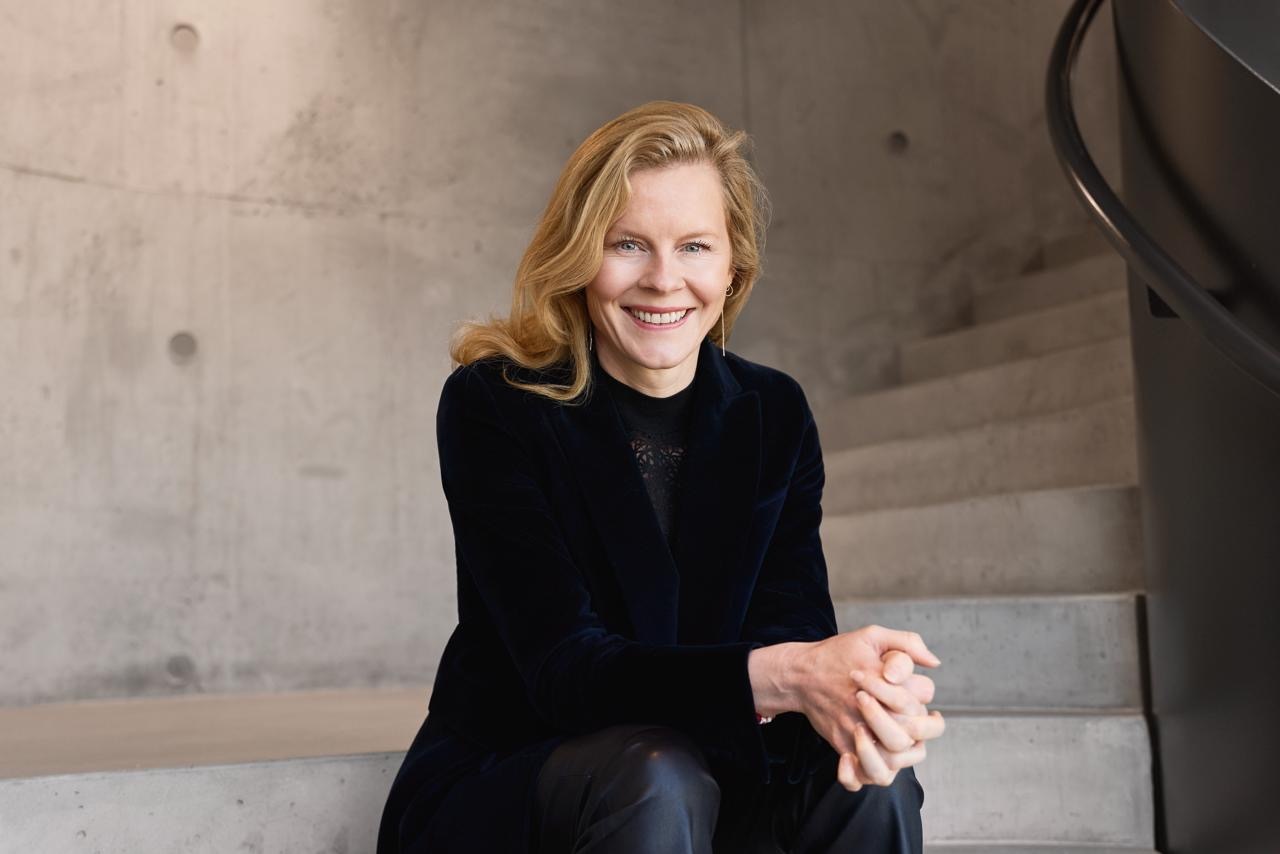
Saskia Bruysten cut her teeth in social entrepreneurship in Bangladesh, working alongside Muhammad Yunus, the father of microfinance. She’s now a co-founder of Carbon Equity and is leading the Netherlands-based climate investment firm’s international expansion. The enduring thread is a commitment to shift power dynamics in finance to fuel social change.
Grameen Bank, which made its name offering micro-loans to poor, rural women, sent agents to more than 90,000 villages to let women know it had money to lend. Bruysten’s “aha” moment came on her first visit to the villages of Bangladesh.
“When the bank makes the effort to go to the person borrowing the money, that changes the power dynamic between the bank and the borrower significantly,” she says. “With Carbon Equity, we’re trying to find that sweet spot, where there’s the least imbalance between LPs and GPs, where it’s more at eye level.”
That sweet spot is individuals with $100,000 to $1 million to invest. Carbon Equity has raised nearly $500 million from more than 1,700 investors to invest in climate technologies and climate funds. Its portfolio includes more than a dozen funds and 280 companies.
When it was started in 2021, Carbon Equity’s trio of female founders sought to support promising climate solutions while democratizing such investment opportunities. Its largest investors are family offices writing seven and eight-figure checks, but its key focus is individuals investing a minimum of $20,000.
“This is sidelined capital that’s either vegetating in bank accounts or investing in the stock market. It’s not making any difference in the world,” says Bruysten, who joined Carbon Equity in 2024 as a fourth founder to launch its international business. “They bring sufficient capital to us as an investment platform. We bring the access and the network and the expertise to them.”
Carbon Equity is exploring ways to engage an even lower bracket of investors. It’s also expanding the opportunities available to its existing base. Earlier this month, the firm rolled out a debt fund to support renewable energy infrastructure projects.
The climate crisis, says Bruysten, is a prime example of how money can be deployed as a tool to solve problems – and create wealth – when a broader base of investors are allowed to participate. A big win: Carbon Equity’s portfolio company Fervo Energy, a geothermal energy company in Texas, raised more than $1.8 billion on its first day of trading after its IPO this month.
“It would be much easier to raise from institutional LPs,” says Bruysten. “If we really want to change something in the world, then we need a much broader investor base.”