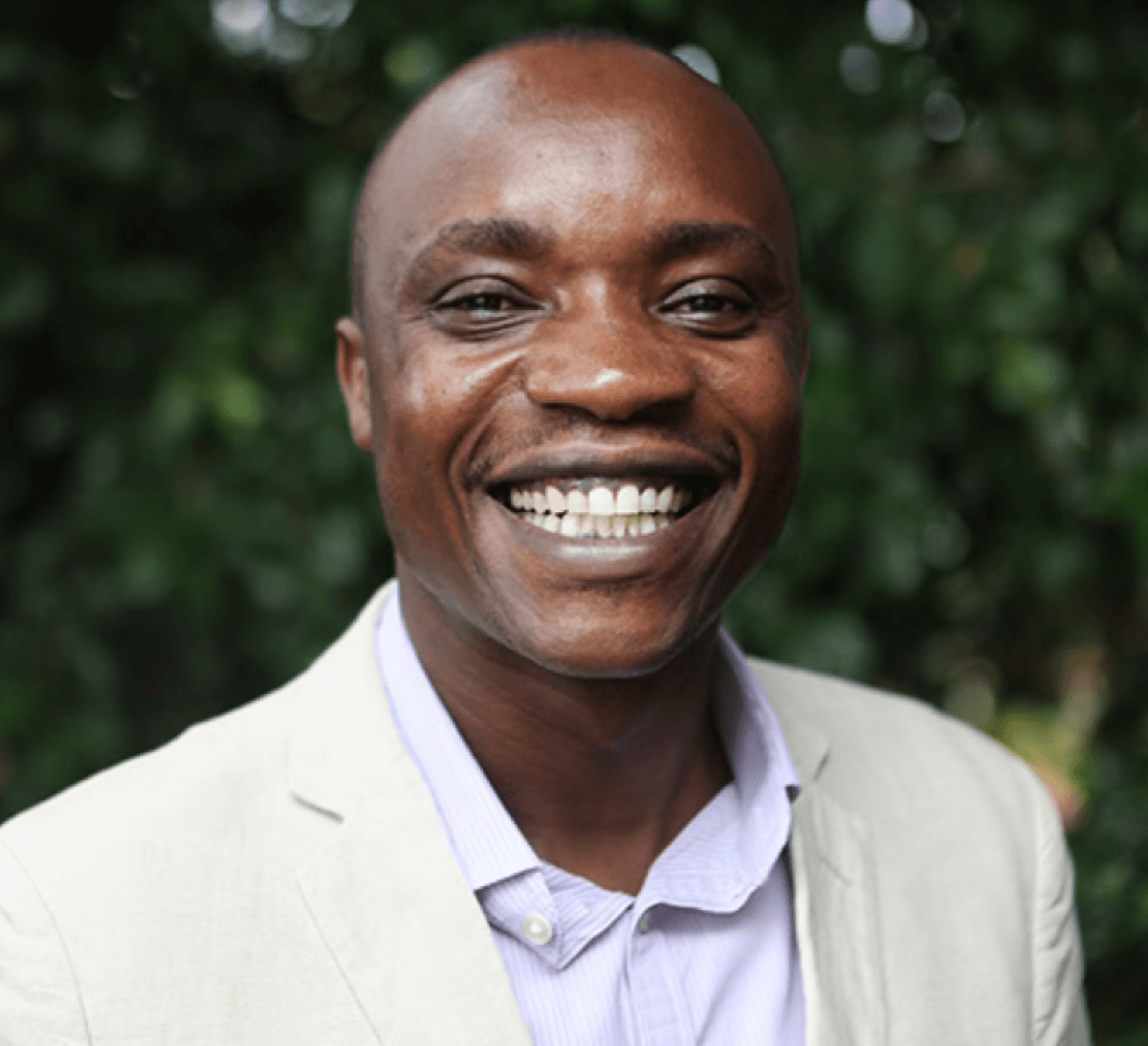

When Bernard Olayo finished his medical schooling, he volunteered to practice in a region of Kenya most doctors-in-training dreaded. Olayo spent three years practicing in the southeastern Suba district, an extremely remote, hard-to-reach area near the border with Tanzania. It’s known among Kenya’s doctors as a difficult place to practice because of its poor roads and the challenges of getting people and supplies in and out.
Olayo stayed for three years, managing Suba’s district health system.
“I was doing things I wasn’t traditionally trained for,” he recalls. “I was managing the health system, managing people and seeing how poverty and health interact.”
One issue that stuck with him: unavailability of medical staples—specifically oxygen— was costing lives.
“Many times patients would die because there was no oxygen,” he tells ImpactAlpha.
Olayo started Hewatele to address the shortage of medical oxygen in Kenya’s underresources medical facilities. The startup this week closed $10.5 million in financing from AfricInvest to build a new medical oxygen manufacturing plant near Nairobi to provide nearby hospitals and clinics with a reliable, locally made supply.
The facility will be the company’s seventh, and largest, plant.
Doctor-turned-founder
From his time in Suba, Olayo discovered that logistical hurdles of getting oxygen to remote medical facilities were just one problem. Kenya, like most African countries, imports most of its medical oxygen supply, which makes it prohibitively expensive for small facilities especially to keep enough on hand.
Leaving his medical practice to try to address the issue didn’t register to Olayo until he was awarded a scholarship to Harvard to train as a public health specialist.
“It was an important part of my career,” he says. “It influenced my thinking and gave me good connections. It made me bold and confident that I could change the world, in however small a way.”
He came back to Kenya and founded a nonprofit to set up small oxygen plants and then donate them to hospitals so they could produce their own supplies. It failed. Within two years, none of the 14 plants he’d launched were operational. Hospitals didn’t have the experience or expertise to keep the plants running, and being dependent on donor funding proved unsustainable.
Olayo flipped his approach, setting up Hewatele in 2013 as a business that produced and sold oxygen to local medical facilities using a hub-and-spoke model. The company’s plants distribute oxygen within a 70-mile-radius. Because the oxygen is made locally and transported short distances, Hewatele can sell at a fraction of the cost of alternatives in the market — without relying on government or philanthropic subsidies.
“We cut the costs compared to the market price by 30% to 40%, depending on the transportation distance,” he says. “We want to cut it down even further.”
Hewatele’s five plants in Kenya and one in Uganda collectively serve more than 400 health facilities, mostly in peri-urban and rural areas, as well as low-income communities in Nairobi. Nearly two-thirds of its customers say the company’s oxygen is more affordable than other suppliers, according to a survey by 60 Decibels.
Daily impact
Hewatele’s production capacity barely makes a dent in the need. The new plant will enable the company to increase its current capacity by 10-fold.
Construction plans for the $20 million facility hit a snag this year when a $10 million loan from the US International Development Finance Corp., approved under the Biden administration, failed to materialize amid the Trump administration’s overseas funding cuts. Hewatele has funding in place from the Soros Economic Development Fund, Finnfund, the UBS-Optimus Foundation and Grand Challenges Canada. AfricInvest stepped in to fill the hole left by the DFC.
Now on the other side of the problem, Olayo sees the impact of medical oxygen access daily. He recalls a conversation he had with care providers at a Catholic-run facility near Siaya, on Lake Victoria, where one of Hewatele’s plants is located.
“We introduced them to the use of oxygen, and when I went back to see the nuns, one said they used to lose three to five babies in the facility every month. Now, several months go by without losing a baby,” Olayo says. “That is the most impactful story I’ve ever heard.”