If the Trump administration is waging a legal war of attrition with green community lenders that were awarded $20 billion in federal grants, it appears to be winning.
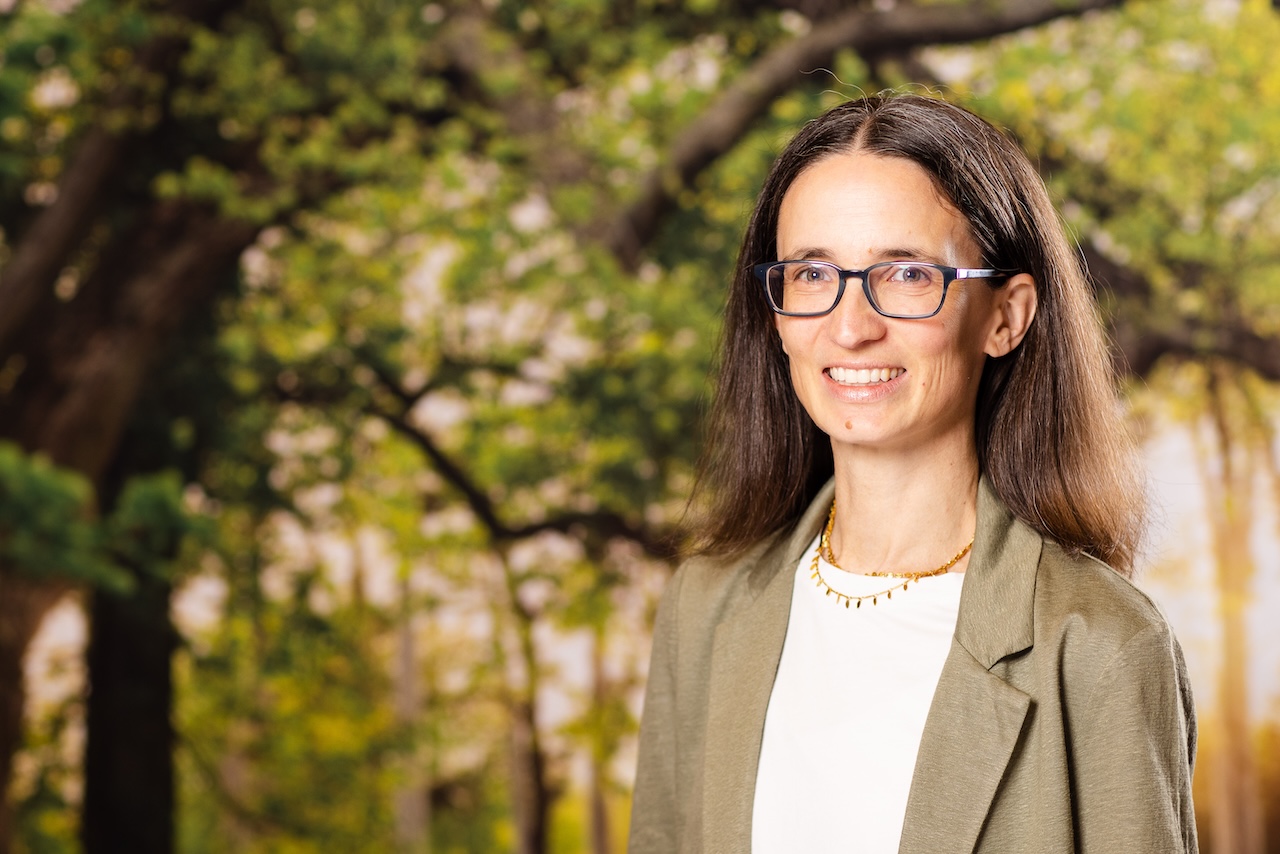
Beth Bafford, who as the CEO of Climate United has been the face of the once-ascendant community green capital movement, is leaving at the end of the month to join RBC Wealth Management as a financial advisor.
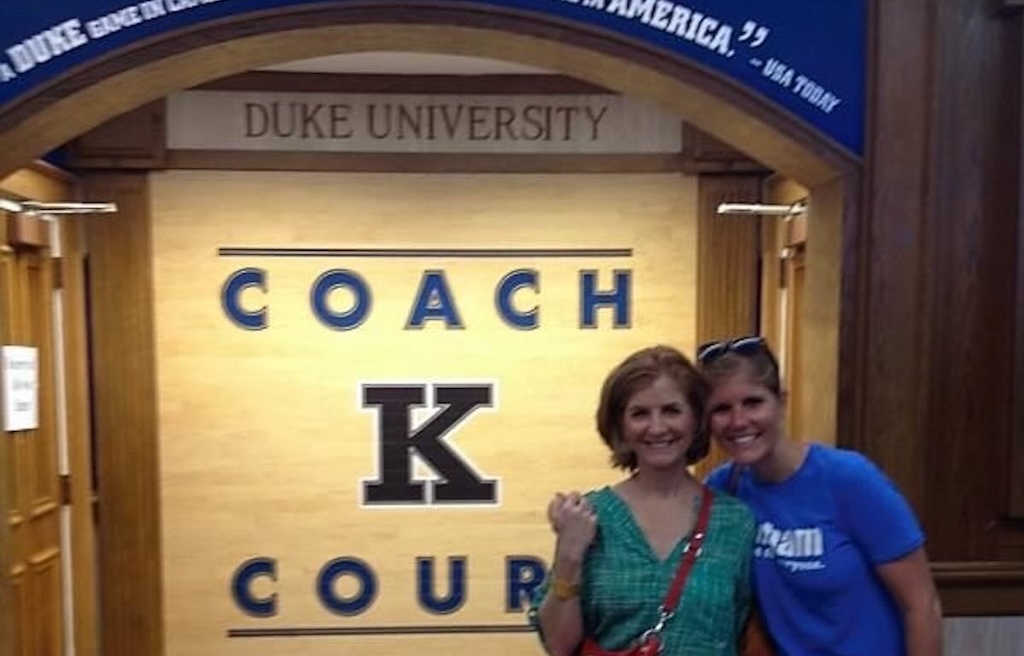
Bafford will join RBC Wealth management as an advisor, where she will work with her mother, Patti Baum, an RBC managing director that Bafford calls her “professional and personal idol.” Bafford will continue to advise on a pro bono basis Climate United and Calvert Impact, which helped to stand up the coalition and successfully bid for $7 billion in federal grants, the largest single award for the Greenhouse Gas Reduction Fund.
The move is an opportunity to do two things Bafford says she is passionate about: “channeling more capital from a broader set of investors into the real economy” and “empowering individuals and families to really understand the power of their personal assets,” especially at a time where private markets are beginning to open up to retail investors.
As to Climate United, she says, “That work will continue. The fight is not over.”
Still, it’s hard not to read the move as a sign of the long odds facing community lenders against an administration hellbent on snuffing out theGreenhouse Gas Reduction Fund, or GGRF, a $27 billion program created by Biden administration to stand up a network of green lenders that could finance community-scale green projects, from EV charging and electric buses to building energy retrofits and community solar. Such projects would lower energy bills, reduce pollution and create green jobs, especially in low-income communities.
The turmoil in the Middle East that has sent oil above $110 a barrel and is expected to drive up prices for food and a broad array of commodities only underscores the logic of the program and the resilience projects it sought to finance.
“Since the beginning, we’ve been trying to depoliticize this as an issue,” Bafford tells ImpactAlpha. “It is not about politics. It’s an economic problem that we all need to solve. And it’s silly to tie one hand behind our back while we’re doing it.”
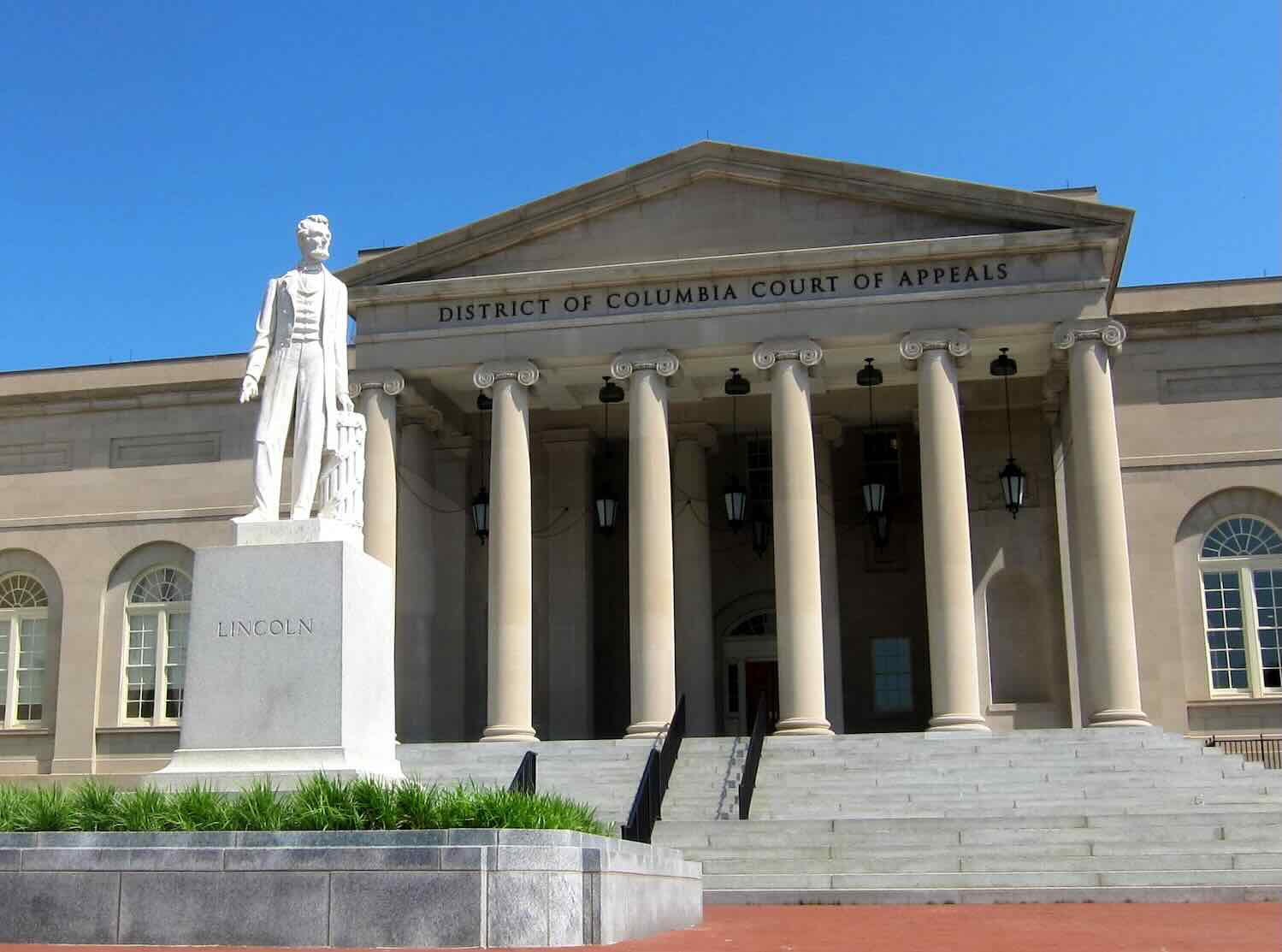
Climate United will not immediately replace Bafford, she says, “until we have a little bit more certainty over the timeline and the outcome.” Climate United is the lead plaintiff in a suit that seeks to release funds frozen last February by the Environmental Protection Agency, which oversees the program. A full appeals court last month heard the case, which was advantageous for the grantees. But a decision is not expected for months.
Employees of Climate United, which operates as a subsidiary of Calvert Impact, have either been let go, voluntarily moved on, or been subsumed within Calvert, where they support compliance and other work relating to the grant program. Calvert’s Jenn Pryce continues to chair Climate United’s board.
Market shaping
Climate United, a coalition formed by Calvert Impact, Community Preservation Corporation and Self-Help, was awarded $7 billion under the GGRF to finance community-scale green projects, from EV charging and electric buses, to building energy retrofits and community solar.
Along with other grantees, such as the Coalition for Green Capital, a green bank network now called CGC, and Power Forward Communities, a housing-focused coalition, Climate United surfaced a robust pipeline of good projects across the country that otherwise would likely not get financed due to size or a lack of lenders familiar with green projects.
With the bulk of the GGRF funds frozen in Citibank accounts, most of the project pipeline has stalled. For example, Climate United committed $250 million to decarbonize busy shipping ports. It was on the verge of purchasing 500 electric drayage trucks used at ports to move shipping containers, which it planned to lease to small fleet operators at ports, when the funding was frozen. “We’re looking at ways to fold that strategy into a broader private capital strategy where we think it might be able to fit,” said Bafford.
Grantees have struggled to raise funding from foundations and other investors who might pick up the slack. “There has not been a swell of capital deployment in those spaces,” says Bafford.
Climate United had hoped to raise outside funding to enable it to continue its work; instead, Bafford says that Calvert Impact is looking to finance some of those projects via its own vehicles, such as its Impact and Cut Carbon notes. “We’re continuing to look at the various tools in our toolkit across the [Calvert Impact] platform to push the work forward,” she says.
“Whenever there’s periods of macroeconomic uncertainty, policy change, regulatory uncertainty, anything that creates something other than a stable footing, there’s often what they call a flight to quality, a flight to things that are known, stable, understood,” says Bafford. “Our role and challenge as an industry is to build that infrastructure so that we are among those options even in periods of economic uncertainty.”
Bafford has helped create the industry infrastructure to absorb and move more capital. During the Covid shutdown, Bafford helped structure “community recovery vehicles” that tapped private investors to buy loans from CDFIs to free up their balance sheets for more lending.
Despite those successes, “the industry still has a long way to go to meet the requirements of the broader capital markets,” says Bafford. With Pryce, she has advocated for and implemented “market-shaping” strategies. Bafford pointed to the deep bench of talent at Calvert Impact to continue that work.
“One of the reasons why I felt confident moving on to my next chapter was because I knew that the work would continue under Jen’s leadership and with an incredible group of people that are here at Calvert Impact.”
Bafford, who six years ago kicked off ImpactAlpha’s “Walking the Talk” series about how impact investors invest their personal wealth, says she is excited “to dig in and really understand some of the opportunities and barriers to putting money to work, to partner with a lot of folks across [RBC] that have been doing that for a while and see how we can bring these worlds closer together.”
As she said in that Walking the Talk column, “No matter how much money you have in savings, your dollars matter. Everyone should be empowered to speak up about how they want to invest, whether you have any investment experience or a lot of assets at your disposal.”