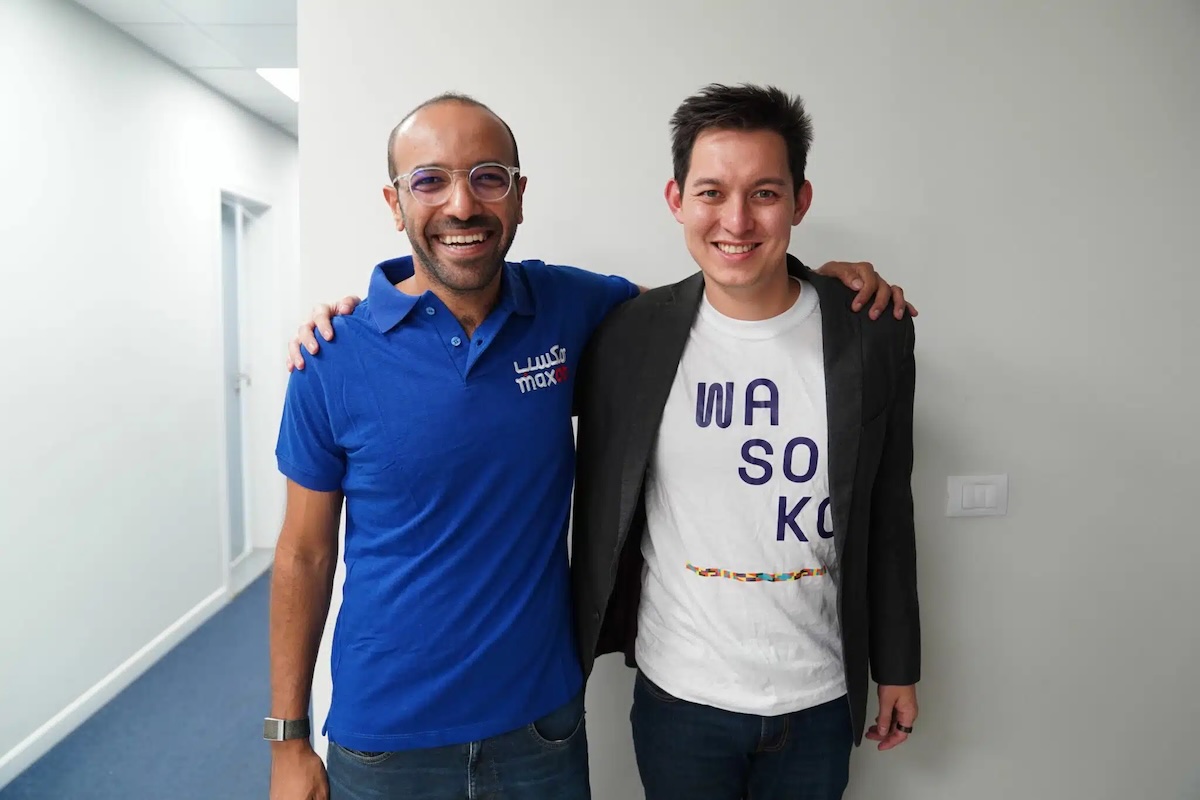

Daniel Yu spotted the business opportunity in delivering financing and services to Africa’s millions of informal mom and pop shops long before many other tech founders. Wasoko, the Kenyan logistics and fintech company, had introduced credit, online ordering and stock delivery to hundreds of thousands of retailers in East and Central Africa by the time the company was acquired by Egyptian peer MaxAB in 2023. But it took years to convince investors to back his mission and vision.
“Being a first mover is not necessarily a good position to pioneer,” Yu tells ImpactAlpha.
Yu is now bringing that experience to a more widely recognized problem: African youth unemployment. This time, he’s not building a business to address the problem, he’s funding the founders who can.
His new endeavor is the Africa Jobs Fund, an evergreen, philanthropic venture fund for companies providing stable, quality jobs for Africa’s young people. The fund will be sector agnostic, and the markets or models don’t have to be proven. Yu even imagines taking a studio venture-building approach in some cases.
“I want to be maximally flexible – give [founders] a funding instrument, the right kind of support to figure out the market, and let them take the time that’s needed to see if there is a viable business model,” he says.
Founder-turned-investor
Africa is the youngest continent; the median age of its 1.6 billion people is not even 20. A third of the continent’s young people are unemployed, at least in the formal economy, and another third are variably or underemployed.
Most of the private money attempting to address youth employment at scale comes from philanthropies; the Mastercard Foundation is the most recognizable name.
Yu’s Africa Jobs Fund is a new spin-out of Renaissance Philanthropy, an organization started by Schmidt Futures’ chief innovation officer Tom Kalil to design and incubate philanthropic funds. Yu’s goal is to raise $100 million to invest over the next five years.
“My hope is that my 11 years building Wasoko, operating across many markets, and working through many different challenges can be a huge value add and benefit the entrepreneurs and the businesses that we’re backing,” he says. “More capital allocators should have that hands-on experience.”
Demand v. supply
The Africa Jobs Fund is focusing on the demand side of the jobs market: the employers. It will use its philanthropic funding to write equity and debt checks, as well as revenue-based financing, in export-oriented manufacturing and mobility businesses which are often labor-intensive companies with the potential to employ thousands of people.
Yu points out that China’s poverty alleviation policies leaned on industrialization, lifting nearly 800 million people out of poverty over 40 years. Vietnam and Bangladesh are adopting similar policies.
Such traditional businesses, Yu says, can be “just as impactful — maybe even more so” than glitzy tech startups. “If the fund brings more focus and attention to these overlooked, traditional industries, then we inspire the next generation of top talent to build real world businesses that are taking proven business models, but applying them in the African industrial context.”
Africa Jobs Fund will also invest in companies connecting African talent to global companies in high-demand fields like nursing, teaching and shipping.
“We are identifying opportunities upfront, even where there are no companies doing [the work] today,” he says. In those cases, the fund would recruit a founder to launch a new company, he explains. “We’re not waiting for companies to come to us. We’re going to play an active part in building them out from scratch.”
“I consider it a success if we back the first mover, and then we create the copycats and second movers,” he says. “That’s the most successful outcome I can think of.”