
The latest prestige purchase from influencers like Paul Graham, Tim Ferriss, and boldface names in Silicon Valley and beyond? Tons of carbon removed from the atmosphere.
Last month, the nonprofit Terraset made a $1 million purchase for carbon removal from nine startups pursuing enhanced rock weathering and ocean alkalinity, biochar and other ways of removing carbon. Such advance purchases are critical to de-risking the capital-intensive investments needed to commercialize a new crop of promising technologies that can store carbon away for centuries.
Instead of big tech firms looking to offset their growing emissions, the nonprofit Terraset is funded by the donations of wealthy individuals concerned about climate change, as well as foundations such as the Grantham Foundation and Conscience Bay Research.
Terraset aims to diversify the offtake market away from the handful of tech firms that dominate the market, such as Microsoft and Frontier Climate, the carbon buyers club that includes Stripe, Shopify and Google. Frontier last month signed a $41 million offtake agreement with carbon removal and bioenergy startup Arbor.
Terraset is “a Frontier Climate driven by people’s philanthropic capital,” says Adam Fraser, who joined with founders Chris Wedding and Alex Roetter to launch Terraset three years ago.
Just a fraction of the nearly $900 billion in philanthropic giving goes towards greenhouse gas removal, says Fraser, and less than 2% goes toward climate causes at all. Terraset has raised nearly $10 million in tax-deductible donations to date from individuals, foundations, family offices, and donor-advised funds to make catalytic purchases of permanent, high-quality carbon removal from innovative projects and companies.
Now, with a low seven-figure grant from the Schmidt Family Foundation, the nonprofit has launched a revolving fund that pre-purchases carbon. Rather than retiring the credits when the carbon is delivered as it has in the past, Terraset sells the credits to corporations and recycles the cash back into the fund. In the time between Terraset’s pre-purchase and the delivery of the credits, the price per ton of carbon may rise, producing profits. That may make it possible for Terraset to offer returns on recoverable grants or program-related investments, says Fraser, who is exploring options with impact investors.
The new financial structure, he says, “gives more on ramps to people” to back innovative carbon removal, with the Schmidt foundation grant absorbing some of the risk. That can help diversify the offtake market away from the handful of Big Tech firms like Microsoft and the Frontier members that have been keeping the nascent market afloat.
Dual use carbon removal
As greenhouse gas emissions continue to rise, even one-time skeptics are acknowledging the need to remove carbon from the air. In the past 200 years, humankind has released some 1.7 trillion tons of CO2 and other greenhouse gasses into the atmosphere, with 40 billion tons added each year. To meet Paris climate goals, some 7 to 9 billion tons of carbon must be removed from the atmosphere every year, in addition to the 2 billion tons or so being removed annually via reforestation and other conventional methods.
The carbon removal market for new technologies such as direct air capture and methods that enhance natural processes have a key role to play. Carbon removal tracking site CDR.fyi has tallied just 38 million tons of such carbon removal sales to date.
Terraset backs startups working on durable solutions that can remove carbon for hundreds or thousands of years.
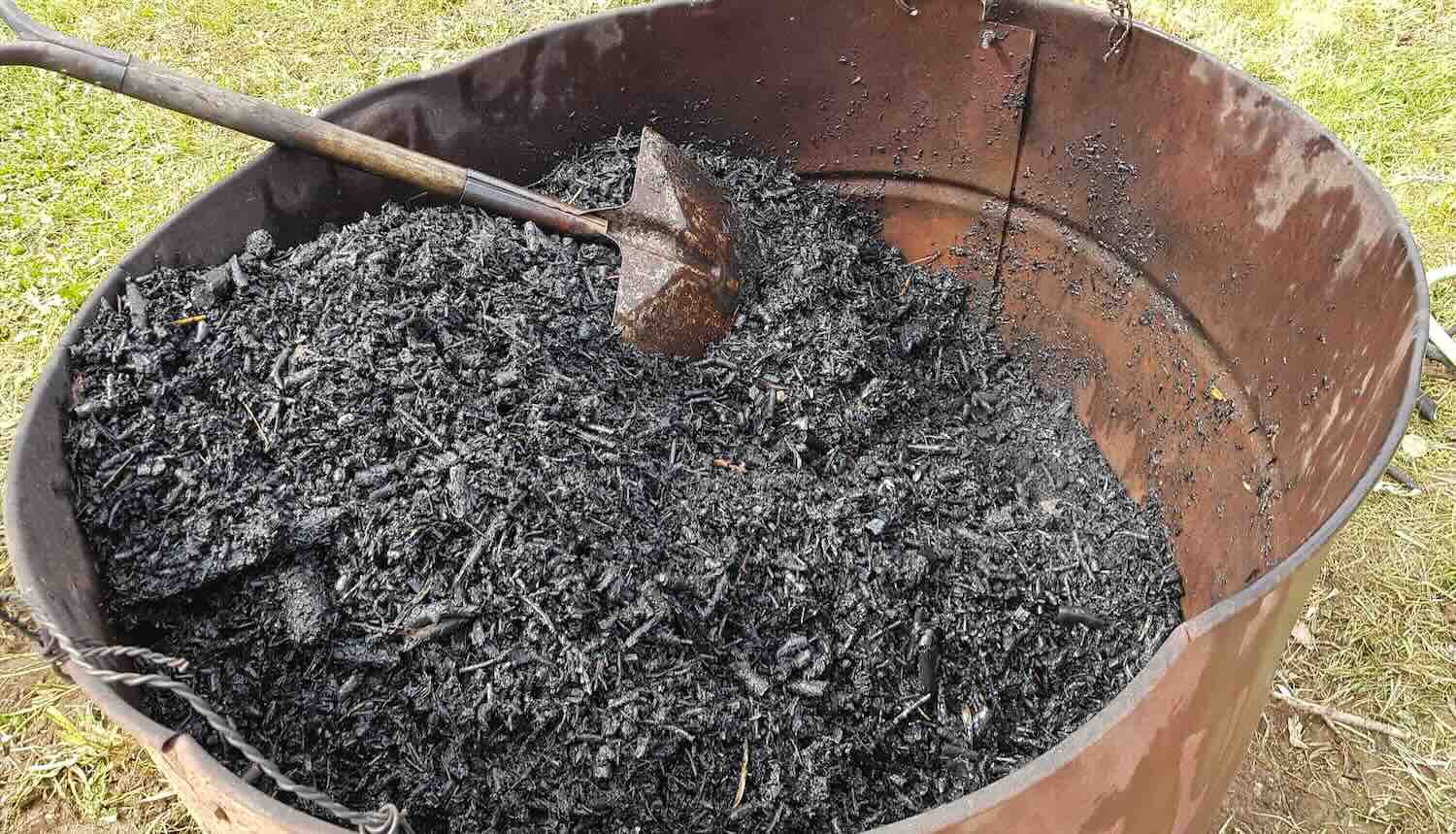
In early July, Terraset pre-purchased carbon from companies including Eion Carbon, which uses olivine to balance soil PH and remove carbon; NY Carbon, a biochar producer; and Tradewater, which removes potent non-CO2 greenhouse gasses such as halocarbons found in refrigerants and methane which leaks from orphaned oil and gas wells.
It also made repeat purchases from companies already in its portfolio including Andes, Charm Industrial, Climeworks, Graphyte and TerraFixing.
CarbonRun, which Terraset also pre-purchased from, is one of a growing number of companies for which carbon removal is a side-benefit, albeit a lucrative one. The Nova Scotia-based company started out addressing the acidification of rivers and waterways by adding crushed limestone to the water to restore alkalinity and convert CO2 into beneficial bicarbonate. It is now able to quantify the amount of carbon its process removes, opening up a new revenue stream.
Such dual-purpose uses represent the future of carbon removal, says Fraser. “That’s where the space has the real potential to scale,” he tells ImpactAlpha.
In the meantime, advance purchases, whether pooled from Terraset’s wealthy individuals and foundations or the corporate coffers of data-center fueled Big Tech, can help boost the nascent market for innovative and durable carbon removal.
“We don’t think philanthropic capital is ever going to provide all the funding that’s needed for the carbon removal space,” says Fraser. “But we think it can be very catalytic at unlocking other forms of capital.”