The rallying cry from Impact Week Singapore: less talk, more doing – together.
“If each of us does our part for the wider community, the ‘we’ – we care, contribute and look out for one another – then the individual, the ‘me,’ will thrive and flourish,” Desmond Lee, Singapore’s Minister for Education, relayed to the packed forum at the Suntec Convention Centre to kick off Impact Week 2025.
Lee’s framing picks up on Prime Minister Lawrence Wong’s speech at the National Day Rally earlier this month, where he urged Singaporeans to strengthen a ‘we-first’ society as they collectively write the next chapter of the city-state’s story.
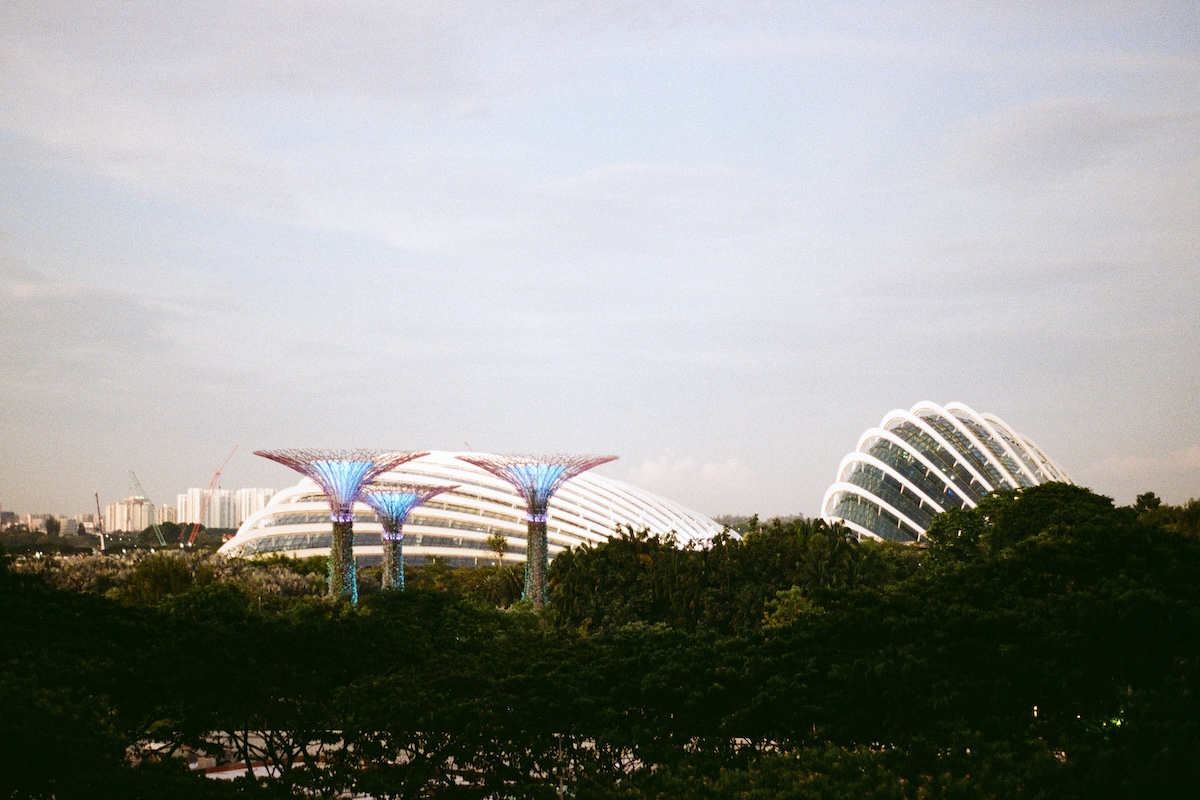
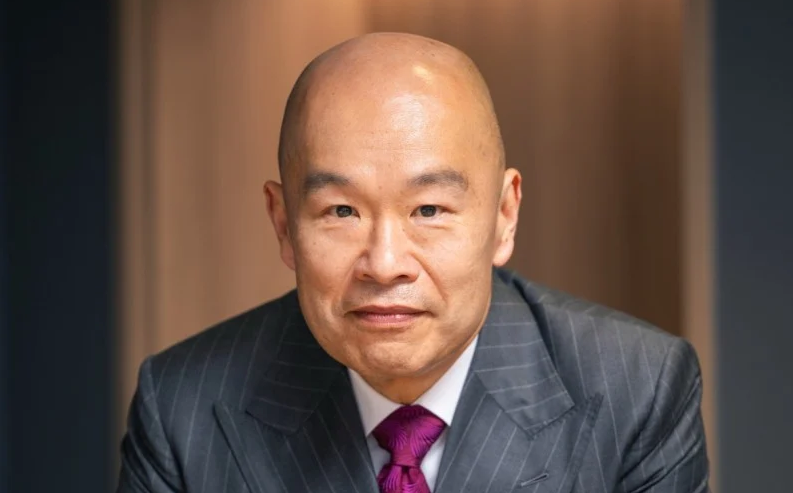
The Impact Week confab of more than 3,000 people from finance, business, science and academia came together in less than six months. It was the brainchild of Singapore shipping magnate Chavalit Frederick Tsao, who is determined to evolve Tsao Pao Chee Group, or TPC, his fourth-generation family business, into a ‘well-being’ business ecosystem. Tsao was fed up with the chatter on the Western-centric conference circuit.
“Everybody is talking, only. There’s no doing,” Tsao told ImpactAlpha in an interview in his bustling Springleaf Tower office. “So I said, ‘Okay, since nobody is doing, why not me?’ So let’s do it.”
Family values
Singapore’s attractive tax incentives have made it a strategic base for family offices, which are becoming catalysts for impact investing in the region. Mana Impact advises five family offices in Singapore, which have made investments that touch smallholder agriculture in Southeast Asia, as well as funds such as At One Ventures and Mad Capital in the US.
Tsao Family Office, which invests across asset classes, recently made its second investment in Africa, in London-based TLG Capital’s second Africa Growth Impact Fund.
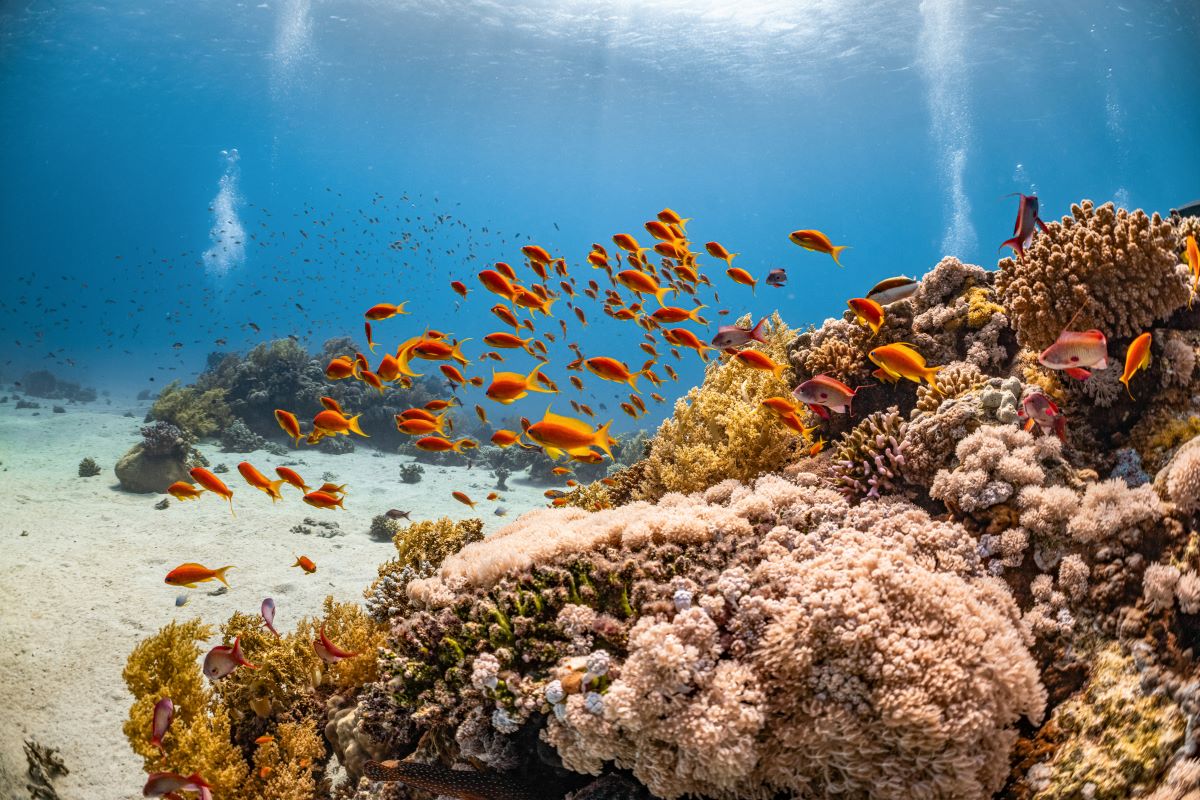
Sustainable Finance Initiative, a Hong-Kong network of family offices, brought a continent of Singapore-based families to Impact Week. Top of mind for families in the region are investments in nature, oceans and for Asia’s aging population, said Sustainable Finance Initiative’s Katy Yung. Co-investing and pooled vehicles in these sectors are just beginning. The latest example: Yesterday’s launch by OCTAVE Capital, the in-house impact fund of TPC, and Norway-based Katapult Ocean of a $75 million Asia Ocean Fund.
Silver economy
Despite Impact Week’s youthful optimism, Singapore will reach “super age” status by next year, where one-fifth of the population will be over 65. Other regions and countries in Asia, including China, Japan and South Korea, also have fast-aging populations.
Private capital has engaged little in Asia’s so-called “silver economy,” however. “People think of aging as a dirty word. We should think of it as living a long life,” said Mary Ann Tsao, a public health expert and pediatrician by training who now chairs the Tsao Family Office and Tsao Foundation. Both the family office and foundation use elder inclusivity as one of the screens for funding. One of its recent investments is a travel company that builds rest time into trip itineraries, for example. “
The silver economy is not about inventing new products that specifically target seniors – those will make them feel old,” said Nathaniel Farouz of Sindora Living, a senior living community in Nanjing, China. He advocates for human connection, like elder communities that are proximate to elementary schools, over AI chatbots and robotic aids. “The more people age, the more they want normalcy. The silver economy is about what we can do to allow people to live a life as normally as possible for as long as possible.”
New narrative
Singapore’s concentration of capital and appetite for collective social and environmental benefit is fueling a fresh storyline for impact investing.
Last week, Temasek, Singapore’s $339 billion government-owned investment vehicle, and other regional private and public investors, including HSBC, backed the Green Investment Partnership, a blended finance vehicle that will be deployed into sustainable infrastructure in Southeast and South Asia. The fund, five years in the making, demonstrates the power of collective action and collaboration.
The inclusive ‘We first’ stands in contrast to ‘America First,’ providing a much-needed framing for the global impact investing movement.
“I don’t need to hope,” said Fred Tsao. “I need determination to act because I can. I will. I must.”