The first close of an innovative private-credit strategy for small and mid-sized businesses in Africa included many of the usual suspects: European quasi-public development finance institutions and multilaterals like International Finance Corp.
Joining them now is the private family office of fourth-generation siblings of a maritime trading and logistics company based in Singapore.
The Tsao Family Office, established more than a decade ago by the family behind maritime company Tsao Pao Chee Group, is the latest investor to join the LP roster for London-based TLG Capital’s second Africa Growth Impact Fund, which uses a unique structure to provide dollar-denominated loans to African businesses that can’t get them from their local banks. TLG reached a $75 million first-close in April.
Tsao’s commitment toward the fund’s $200 million target, shared exclusively with ImpactAlpha, is part of the family office’s broader effort to encourage more of Asia’s family offices to seize underexplored opportunities for financial returns and impact.
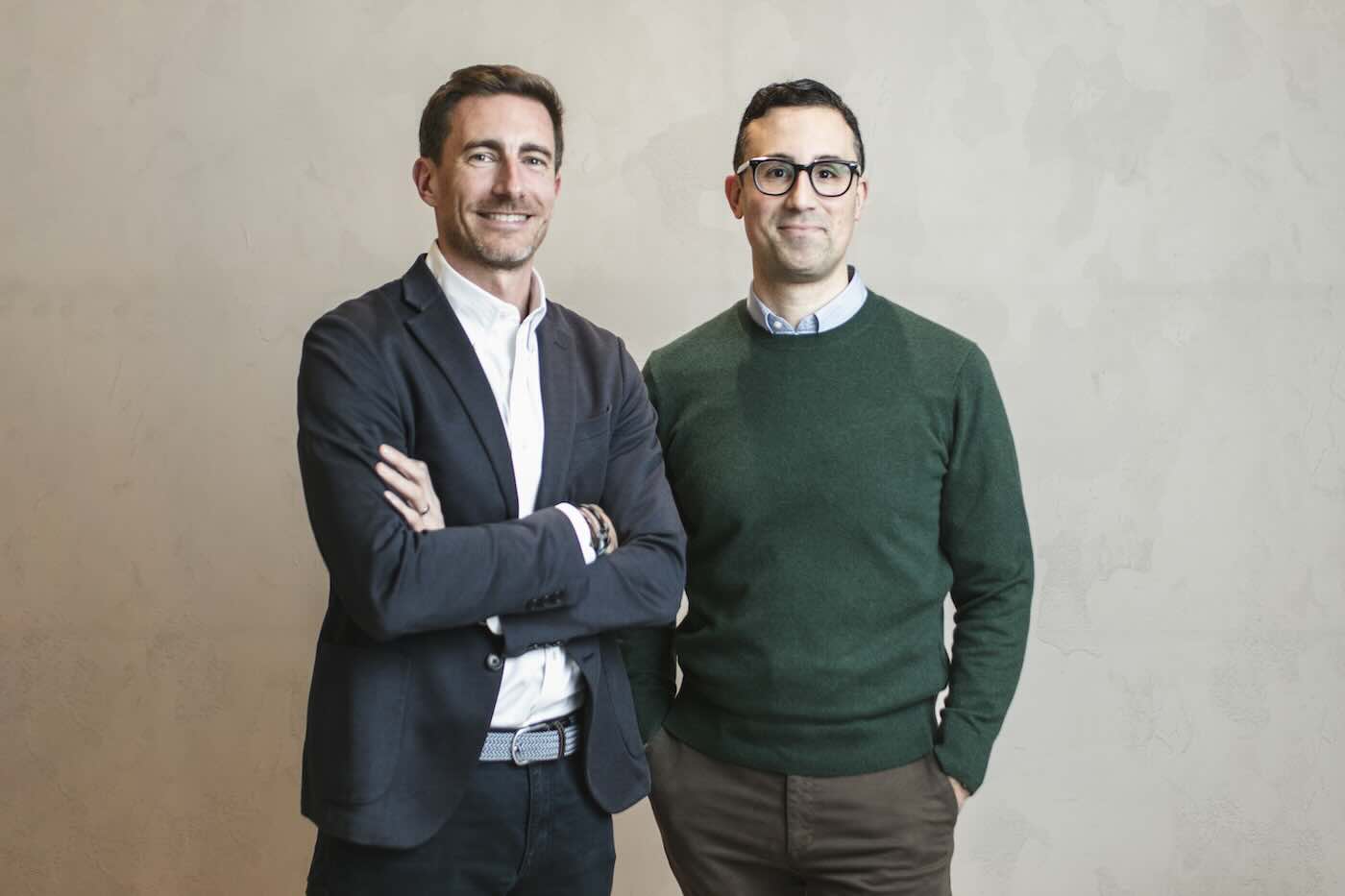
“This fund is quite different from the rest of our private credit portfolio. It’s a structure we’ve never seen before, and being in Africa is completely new for us,” Leslie Lim, who leads Tsao’s fixed-income portfolio, tells ImpactAlpha. “It’s a bit of a risk, but it’s the type of risk the family is prepared to take given the impact focus. If it works, we’d like to find other opportunities like this in Africa.”
“We see such good impact and commercial return potential for the region,” adds Diana Watson, who leads Tsao Family Office’s impact and sustainable investing.
Appetite for impact
Singapore is emerging as a hub for investments in climate action and sustainable finance. Temasek, the $288 billion state-owned global investment company, has one of the world’s broadest institutional impact portfolios. The Global Impact Investing Network last month hosted its Asia Impact Forum, with representatives of more than $300 billion in assets under management. Mary Ann Tsao, chair of the Tsao Family Office, helped kick off the GIIN forum.
The family office invests across public equities and fixed-income, alternative assets, real estate, and private equity and credit. It generally targets opportunities in climate action, health and education from experienced asset and fund managers with at least three funds under management. Most of its ticket sizes are between $5 million and $20 million.
The organization does not disclose its assets under management, but reports that about 51% of its portfolio is impact and sustainability-focused, including about 15% that falls into the “deep impact” category. Lim explained the remainder of the assets, screened to ensure they “do no harm,” include broad equity indices, treasuries and other commercial vehicles.
Tsao’s impact portfolio includes BlueOrchard Microfinance Fund and Wellington Global Impact Bond Fund on the private credit side, and agriculture tech fund manager Omnivore and health care investor Somerset Indus on the private equity side.
“In Asia, our family office stands out in terms of our interest and appetite for impact,” says Lim.
Other impact investing family offices in the region include Silverstrand Capital, the single family office of Kelvin Chiu that invests in regenerative agriculture and nature-based solutions. The Rumah Group is focused on social housing in Southeast Asia, and increasingly oceans and marine health. Ecca Family Foundation, linked to the family behind global jewelry brand Pandora, makes catalytic impact investments in Southeast Asia.
Financing gap
As the family is working to grow its impact and sustainable investment allocations, TLG Capital’s potential for impact on Africa’s small businesses and economic growth stood out in a region with a chronic shortage of small business finance from traditional lenders.
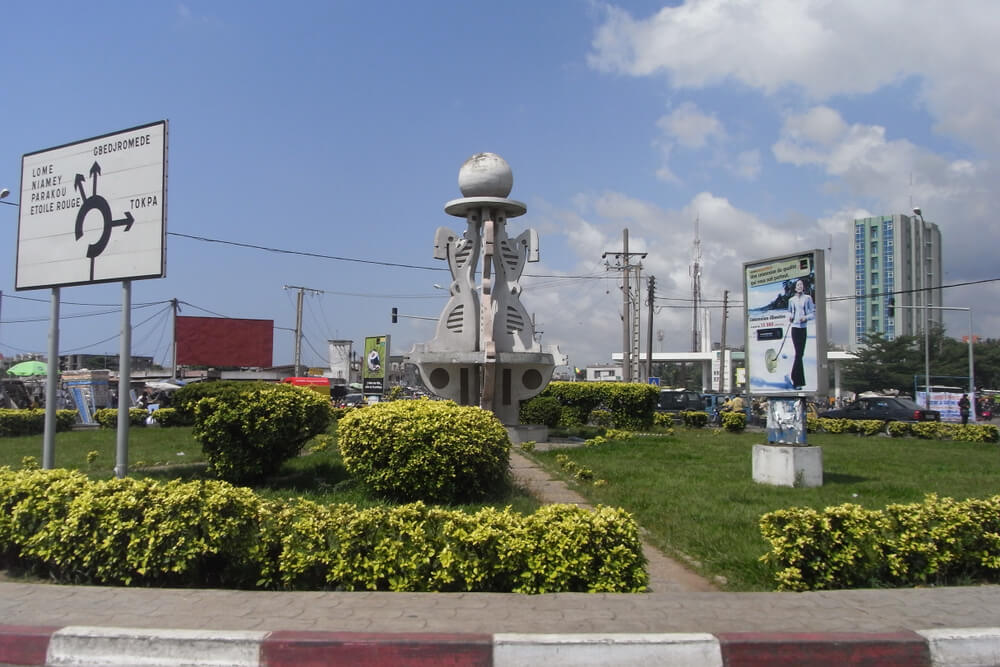
TLG’s pitch to Lim first resonated around the economic growth and job-creation potential. A key focus is businesses in low-resource markets, like Benin or Djibouti, that need to borrow in dollars, because they have dollar-demoninated income streams or expenditures. Their local banks may be able to provide a portion of that capital, or lend for a year or two, but don’t have enough dollars on hand to cover the full size and duration of the needed loan.
“Then I heard their pitch about the structure, and I thought it was very intriguing,” Lim remembers.
The TLG Capital team has designed and launched five investment strategies for African businesses since it started in 2012. Its first Africa Growth Fund was an open-ended vehicle meant to fill a bank-financing gap for Africa’s small businesses. Its second iteration of the fund is a closed-ended vehicle that works in partnership with banks that have successful small business clients but which lack the cash to lend for customers’ critical growth needs.
Banks refer to TLG their small and mid-sized business clients needing somewhere between $5 million and $20 million, multi-year loans to execute on growth plans or significant capital expenditures. TLG will then underwrite the loan on the strength of the business’s financial health and track record from the bank. The bank in turn provides a “standby letter of credit” as a guarantee: if at any point TLG wants its money back, the bank takes full responsibility for the loan.
In studying the structure, Lim says he questioned “why wouldn’t the bank just lend the money? When you make a guarantee, you take on the economic risk of the loan.”
The answer: “The bank doesn’t have the dollars. That’s the crux of the problem,” he explains. “But the bank knows its customers well and has full visibility of their transactions, so they have confidence that these are businesses that are going to grow and generate more fee income for the bank.”
Through the investment process, Tsao Family Office has learned about its perceptions of and appetite for risk. What helped mitigate Tsao’s financial risk concerns were the banks. So did the fact that the loans were made in dollars, limiting currency risk for LPs.
“In some ways, this investment is quite safe. But it’s also quite experimental,” says Lim. “Anytime you have multiple layers of things that are new or different, you’re dealing with things where you don’t know what you don’t know.”
Well-being mandate
Tsao Pao Chee Group, or TPC, traces its roots to China’s Qing dynasty in the late 1800s. It relocated to Hong Kong after World War II and then to Singapore in 1991. The company itself says it is guided by a “well-being mandate” and “an awakening journey from I to We.” The company says it is committed to driving progress across seven of the 2030 Sustainable Development Goals, including good health and well being, quality education and responsible consumption and production.
TPC recently stood up the No. 17 Foundation and is hosting Impact Week in Singapore in September.
The Tsao Family Office was designed as a funding stream for the family’s two foundations – one dedicated to healthcare and the other to back organizations with key impact and sustainability objectives aligned with the family’s focus areas (both are distinct from No. 17 Foundation). The office’s mandate is to generate that funding with investments that are sustainable.
The organization says its “raison d’etre is investing to make things better.” Among its beliefs: “There is never a state of affairs that cannot be improved.”
“As for how to reconcile the returns of impact, it’s not easy, I’ll be the first to say that,” Tsao’s CEO and chief investment officer, Bryan Goh, said in 2023. “You sometimes have to take a smaller return, not always. If you want a higher return, or you want a market return, that intersection of impact and commercialism, it’s a small intersection. What it means is that you have to try harder.”
Lim says there isn’t yet a wide enough range of impact investments to build a diversified portfolio.
“Over time the family would like to see more with a strong ESG or impact piece, as long as we can keep getting the returns to feed the foundations,” he said. “We can’t just only have impact investments, otherwise we end up with a portfolio that is wildly imbalanced and probably very volatile.”
The family office has one other Africa fund in its portfolio—the Future of Work fund from Chancen International. That investment is part of its Impact Innovation Lab, a $10 million pool of capital set aside for concessional and catalytic deals. Lim is hopeful that its experience with TLG will open up new opportunities for core portfolio investments in Africa.
“As you get more comfortable, meet people and broaden your understanding of the space, hopefully that creates an opportunity to find even better things,” Lim says.
Perceptions of risk are often what deter investors from emerging markets, even though data have shown that private credit in emerging markets is far lower-risk than most investors think.
Tsao wants to prove to other family offices in Asia that “there’s an opportunity for both impact and returns,” Lim says. He hopes Tsao Family Office’s impact and sustainable investing strategies will encourage other family offices to look for “a sweet spot for making really interesting returns and impact as well.”
Greater participation from family offices and other private investors is becoming more pressing as public grant funding for sustainable development and the climate crisis shrinks.
“We are very happy to share what we do and invest in,” he says. “Hopefully we can act as a catalyst to rope in other investors into the space.”