
PosiGen, a Brookfield Asset Management-backed home solar company focused on lower-income communities, is the latest US solar company to go bust. It joins other one-time high-flyers such as SunPower, Sunnova, and Mosaic Solar, which have all declared bankruptcy this year as high interest rates, tariffs and the abrupt removal of federal policy incentives have battered the home solar market.
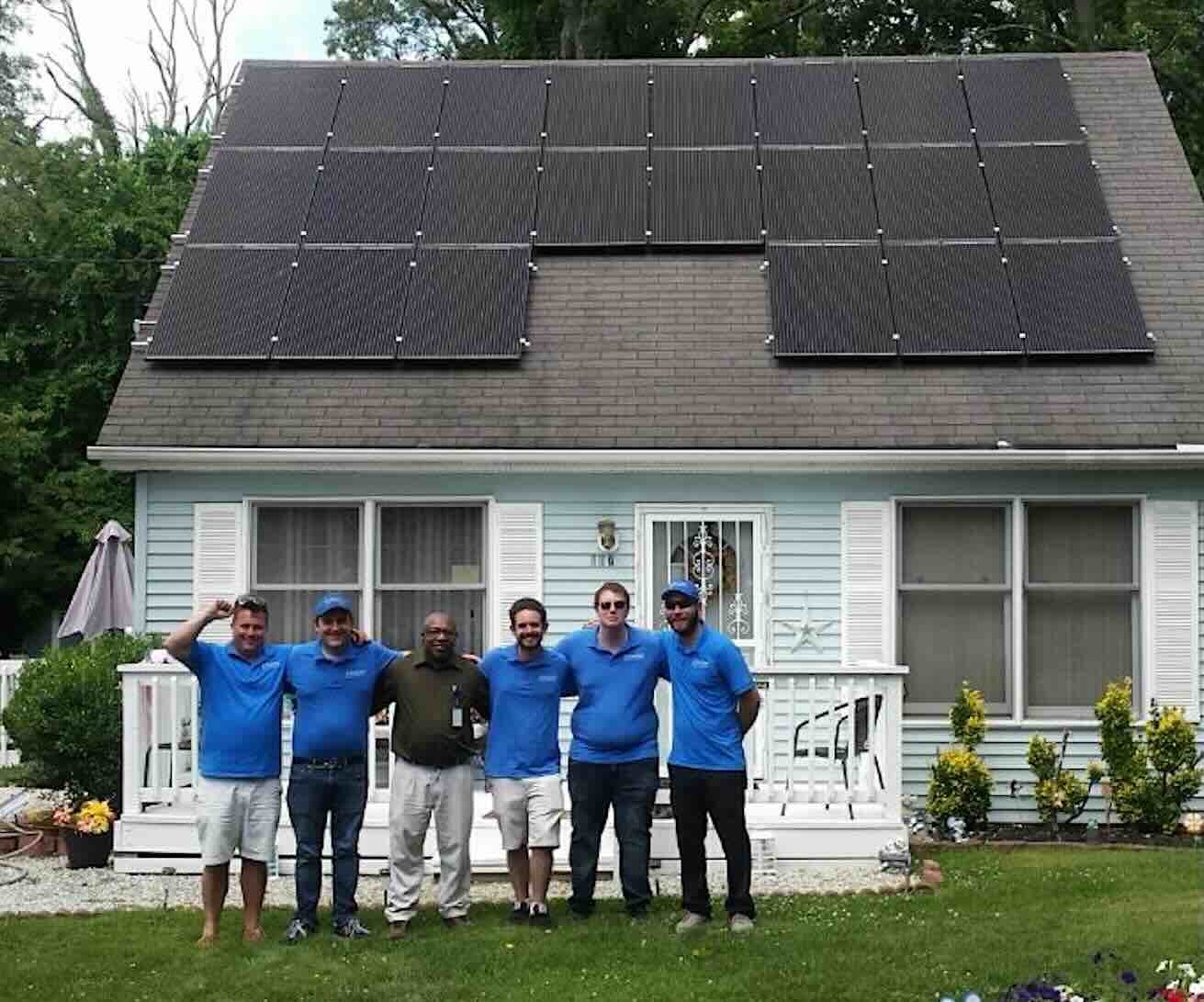
New Orleans-based PosiGen stood out for its “no credit check” pledge. The company, which installed solar panels on homes and leased them back to homeowners to save them money on their electric bills, instead looked at a customers’ payments of cell phone, utility and auto loan bills. To make the math work, it relied heavily on federal incentives that, under the Trump administration, have been prematurely phased out even as new policy barriers have been erected.
“For so many of the families we serve at PosiGen, energy tax credits are what make solar possible,” wrote Posigen founder and chairman Thomas Neyhart in a LinkedIn post this spring.
Trump’s Environmental Protection Agency has also terminated the $7 billion Solar for All program, part of the Biden-era Greenhouse Gas Reduction Fund, focused on financing residential and community solar in lower-income communities. Several groups are fighting the move in court.
In addition to some $600 million in debt financing from Brookfield since 2023, PosiGen raised tens of millions of dollars from investors including SJF Ventures, Activate Capital, Builders Fund, 2040 Fund, Emerson Collective, The Kresge Foundation and Lafayette Square. GAF Energy, a solar-powered roof shingle supplier, has provided tax equity funding.
The loss of solar incentives have upended many solar companies. But PosiGen’s demise was perhaps hastened by Brookfield, its main lender, according to a lawsuit filed by the Connecticut Green Bank in late October. The bank, which was also a lender to PosiGen, albeit on a smaller scale, charges that Brookfield’s “aggressive exercise of control over the financial and operational affairs” jeopardized its chances of a successful restructuring.
Brookfield is one of four “strategic financial partners” that shared in $2.7 billion from the Coalition for Green Capital, a green bank group that was awarded $5 billion via the Greenhouse Gas Reduction Fund, before the funds for that program were frozen in Citibank accounts.
‘Dead to me’
Underscoring the complex structures of many solar projects and companies, PosiGen, a public benefit corp., was made up of dozens of entities grouped into three main units: an operating company, PosiGen PBC; a financing arm that raised debt to finance its projects; and a project unit that owned and leased the solar assets.
Brookfield’s $600 million was funneled into the financing, or back leverage, group.
According to the Connecticut Green Bank’s suit, Brookfield orchestrated mass layoffs of the operating company’s employees, and dribbled out weekly bridge loans to the financial unit, protecting its narrow interests while it looked for replacement servicers.
When the bank pressed for more information on the situation before agreeing to further loans to Posigen, a Brookfield executive, Michael Rudnick, allegedly threatened the bank. The bank “would be ‘dead’ to Brookfield” if it did not agree to a waiver allowing more loans, and Brookfield would cut off unrelated business opportunities, according to the green bank’s suit.
Brookfield, which has asked for the suit to be dismissed, did not respond to inquiries from ImpactAlpha.
“Brookfield’s willful and wanton disregard of PosiGen PBC’s dire financial situation and its objective to protect Brookfield and other members of the PosiGen Group at the expense of PosiGen PBC and its creditors and other stakeholders are clear violations of well-established legal principles,” the Connecticut Green Bank charges in its suit.
The bank is suing for $2 million it is owed and battery assets pledged as collateral. Posigen has some 6,500 customers in Connecticut.
At its height, PosiGen had 750 employees and served nearly 30,000 customers in more than a dozen states.
Solar M&A
Before the Republican One Big Beautiful Bill Act was passed in July, research firm Wood Mackenzie figured residential solar installations in the US would grow by 9% annually through 2030. Now, it sees growth dipping by as much as 46% through 2030, even with a surge as consumers rush to lock in solar tax credits before they expire at the end of 2025.
“The next few years may be tumultuous for the industry – many companies will not survive,” wrote Zoë Gaston with Wood Mackenzie in an August solar market report, in what may be an understatement for the beleaguered industry.
The culling is driving mergers and acquisitions in home solar. Mosaic, a one-time darling that financed home solar loans, was acquired in September by Solar Servicing LLC, which will service existing Mosaic loans but not originate new ones.
Earlier this month, Utah-based SunPower acquired Ambia Solar, another Utah-based solar installer, for $38 million. The combination, said SunPower CEO, T.J. Rodgers, would bring new revenue (Ambia is on track to generate $83 million this year) as well as substantial cost reductions.
“The industry is consolidating, giving publicly traded companies like [SunPower] an opportunity to join with leading private companies like Ambia” to build “a bigger and more durable company,” he said.