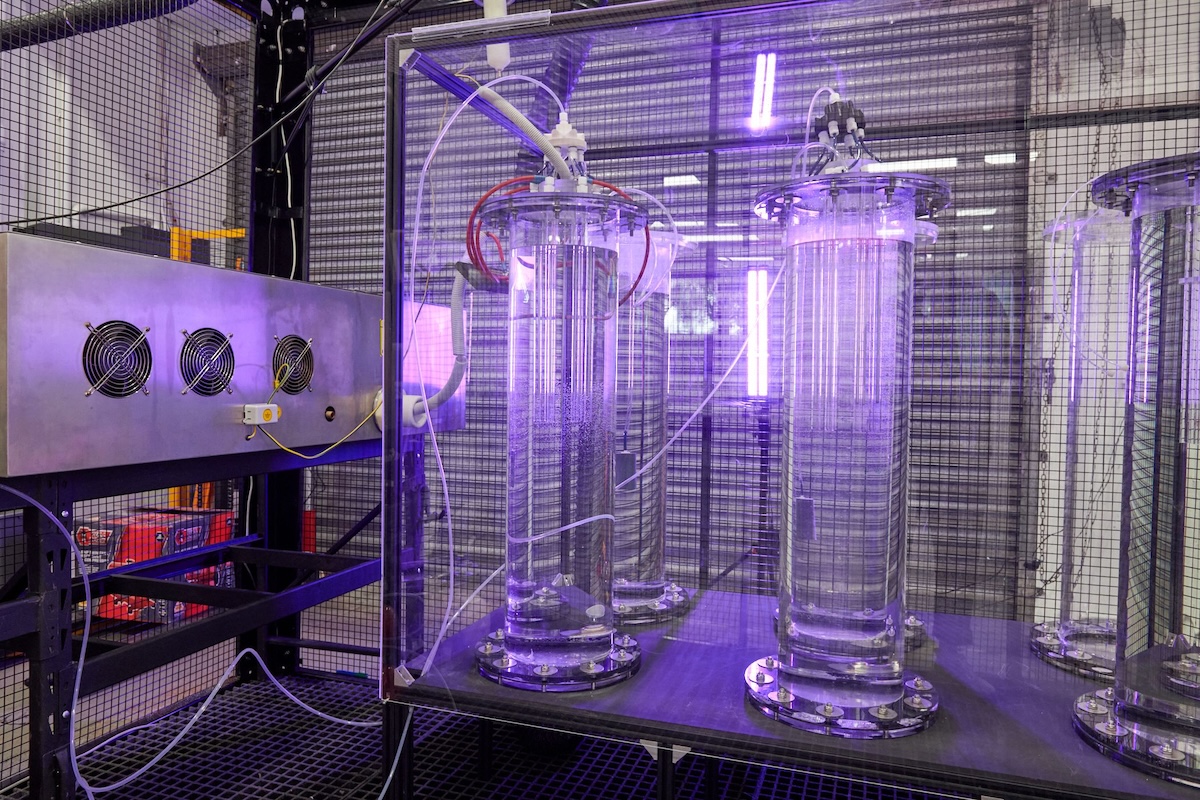

Sydney-based PlasmaLeap builds modular reactors that produce ammonia, nitric acid and other chemicals using air, water and renewable electricity. The carbon-free process targets hard-to-abate sectors that rely on the chemicals, such as agriculture, energy and transportation.
PlasmaLeap’s latest A$30 million (about $21 million) investment will support the development of first-of-a-kind plants in Australia that can produce nitrogen fertilizer using its “green” ammonia at local hubs or directly on the farms that need it. The local production also eliminates transportation emissions and ensures a reliable supply of fertilizer.
The Series A round “allows us to move from successful trials into real-world deployment, demonstrating how clean, decentralized fertilizer and chemical production can transform agriculture, reduce emissions and guarantee sovereign security of critical resources like food and fuel,” said PlasmaLeap’s Frere Byrne.
Low-carbon transition
“PlasmaLeap has developed a breakthrough platform for fertilizer with lower CO2 emissions,” said Stian Nygaard of Yara Growth Ventures, which led the Series A round with the Gates Foundation and Investible. SVG Ventures, Twynam, Agnition Ventures, part of a New Zealand fertilizer co-operative, and others also invested.
Yara Growth Ventures is the venture arm of Yara International, a Norwegian chemical giant that supplies nitrogen fertilizer to global farmers. “We see strong potential for this technology to scale competitively and reduce the climate impact of farming,” Nygaard said.
PlasmaLeap is exploring ways to generate carbon credits from its green chemicals production, as well as produce synthetic hydrocarbons used in sustainable aviation and other green fuels.