Remember the $20 billion in Biden-era “green bank” financing that’s been frozen at Citibank? Mark that down to $17 billion.
It turns out the Coalition for Green Capital successfully disbursed nearly $2.7 billion in four “strategic, dedicated financial partnership vehicles” before the Trump administration could halt the transfers.
Those funds are now sitting with some of the world’s largest private equity firms – Brookfield Asset Management, Apollo Global Management and Energy Capital Partners – ImpactAlpha has learned.
The private equity partnerships are intended to expand lending for distributed energy and storage solutions, particularly in low-income communities, in line with the goals of the Greenhouse Gas Reduction Fund, part of the Inflation Reduction Act.
With most of the rest of the funding from the Greenhouse Gas Reduction Fund, or GGRF, mired in litigation and cancelled by Congress, the Brookfield, Apollo and ECP vehicles may be the biggest surviving elements of what was supposed to be a distributed, nationwide green lending network.
The Environmental Protection Agency, which has claimed without evidence that the GGRF program was marred by financial mismanagement and potential fraud, did not respond to requests for comment. The Coalition for Green Capital discussed the financial partnerships generally in its February report to the EPA, but did not disclose the specific financial firms involved. Apollo, Brookfield and Energy Capital Partners all declined to comment.
CGC expects the first projects via its financial partners to be announced in the next few months.
That a big chunk of capital made it to three private equity giants funding – while funding is frozen for most of the community-based lenders that were awarded grants – is just the latest twist in the story of what was supposed to become the nation’s “green bank.”
It’s also a testament to the preparation of the Coalition for Green Capital, which was awarded $5 billion as part of the National Clean Investment Fund, the largest part of the GGRF. In November, CGC released a request for proposals from project developers, asset managers and other financial institutions. The 35 proposals totaled more than $22 billion. Apollo, Brookfield and ECP were selected, as well as a fourth firm, and the agreements totaling $2.65 billion closed on January 31.
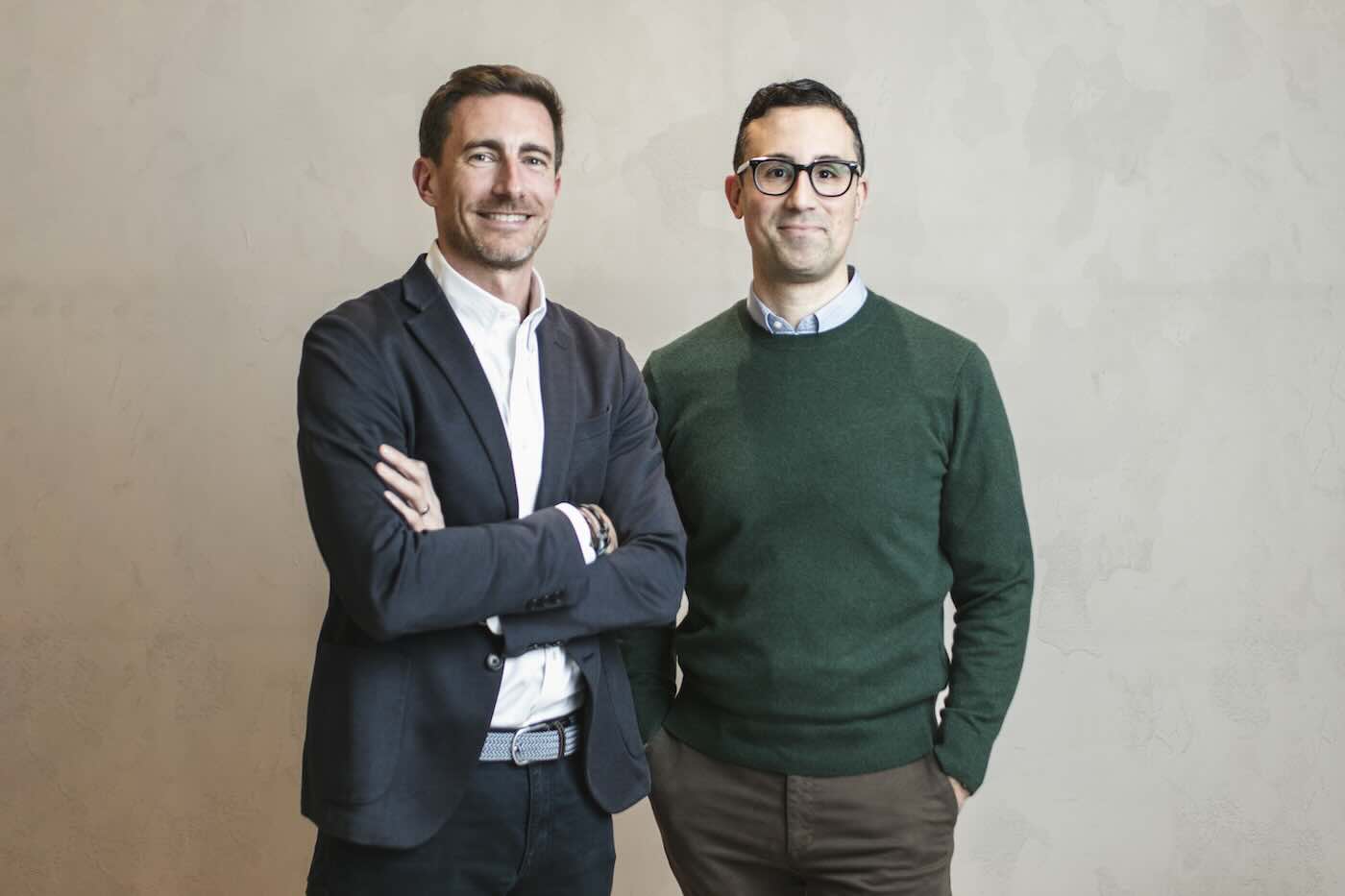
“It’s about being ready,” Richard Kauffman, the head of the coalition, told ImpactAlpha in an interview. “Our strategy was to do the RFP, and so we were ready to invest.”
Kauffman, a former Energy Department official and an architect of the New York Green Bank, in January succeeded Reed Hundt, CGC’s founder and the former chair of the Federal Communications Commission.
The strategic partnerships were included in the Coalition for Green Capital’s original proposal to the Environmental Protection Agency, part of Hundt’s “go big” strategy. “We’re meeting with major, major, major, major, deep, deep, deep pockets of wealth in America to have them be partners,” Hundt told ImpactAlpha in an interview last fall.
At the time, Hundt said the Trump administration had “no lawful way to get the money back,” and that any attempt would be “a violation of the Fifth Amendment of the Constitution as a takings.”
That doesn’t mean Trump’s EPA didn’t try.
Moving money
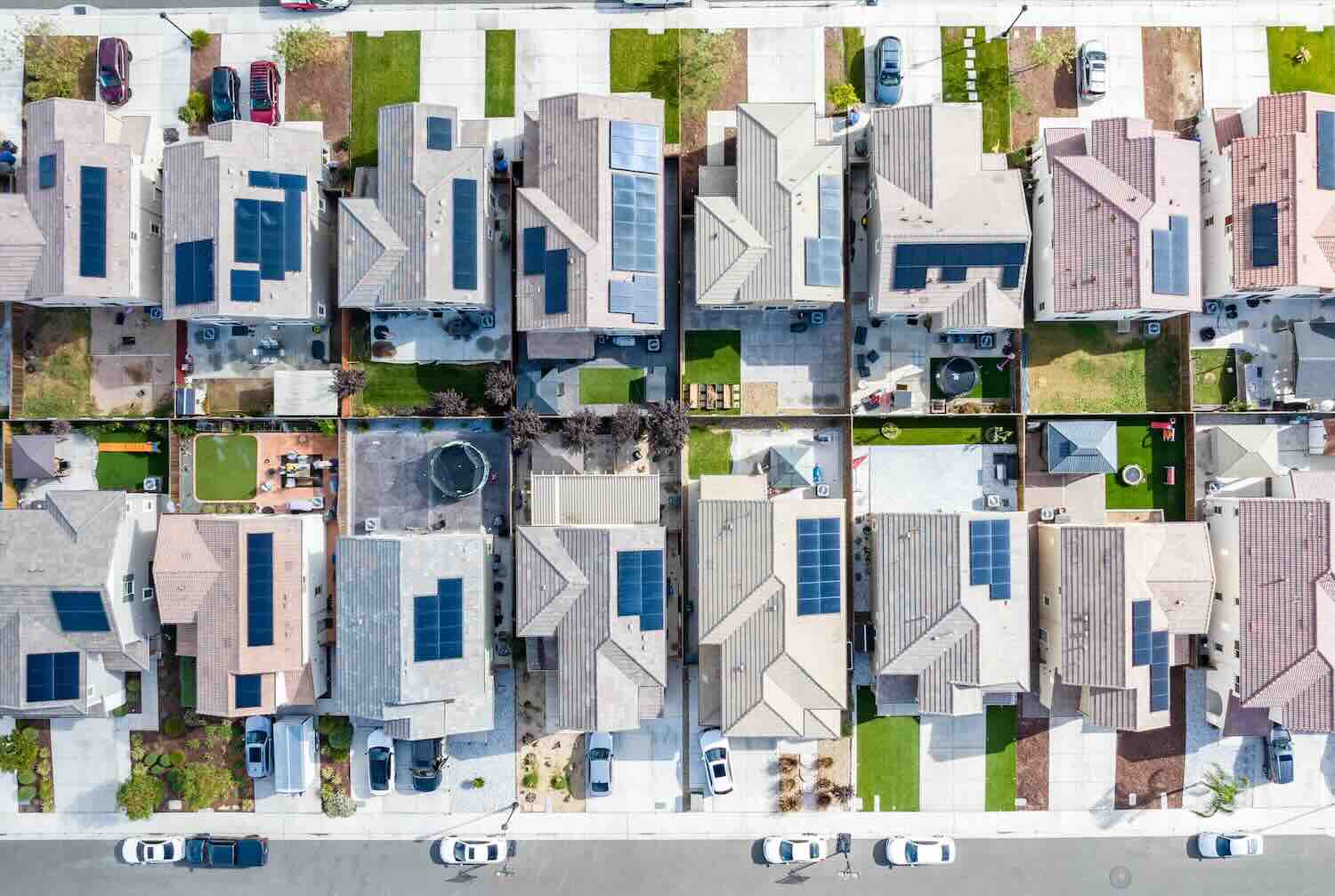
The disclosure of the four partnerships offers a rare glimpse of good news for the beleaguered Greenhouse Gas Reduction Fund, which was designed to set up a green lending network that could finance energy retrofits, community solar and other green projects in low-income and rural communities.
Awardees of the $20 billion program, including the Coalition for Green Capital, have sued the EPA to unfreeze their awards; an appeals court is considering the arguments. The budget bill just passed by Congress contained language to repeal the entire program, throwing the lawsuits into question and perhaps permanently rescinding the unspent funds.
https://stg.impactalpha.com/clean-energy-programs-hang-in-the-balance-as-republicans-take-aim/
The Department of Justice appears to acknowledge that just $17 billion remains in the Citibank accounts. In scoring the recent tax and spending bill, the Congressional Budget Office estimated savings from cancelling the GGRF to be only $19 million, representing EPA’s administrative costs. The DOJ and Republican senators argue the bill rescinds the entire $17 billion still held at Citibank.
Climate United, which expected to distribute $7 billion, the largest award under the National Clean Investment Fund, managed to underwrite a handful of loans before funding was frozen in March. Power Forward Communities, the third awardee, has announced $539 million for energy efficiency and other improvements in single-family and multifamily homes nationwide; it’s not clear if it has disbursed that funding.
CGC, a network of state and local green banks, pursued a three-pronged strategy. It would support its network of 18 sub-awardees, mostly established green banks in states including New York, California and Illinois that would help finance local green projects, as well as a crop of new green banks that were formed to leverage the once-in-a-generation funding opportunity.
Ironically, the $1.8 billion that CGC earmarked for its sub-awardees is caught up in the Citibank freeze. The coalition was able to distribute another $135 million, in smaller awards of up to $10 million each to 14 newer green banks.
The third prong was direct investments in projects, including via financial partners.
In January, CGC invested $200 million in Greenie Re to facilitate insurance coverage for renewable energy projects. CGC also signed letters of intent for a $100 million line of credit to Coventry Structured Investments for Commercial Property Assessed Clean Energy, or C-PACE, loans for energy efficiency upgrades for commercial buildings, and a $75 million loan to Massachusetts-based Highland Electric Fleets aimed to electrify school bus fleets. The Coventry and Highland deals have not yet closed.
The CGC announced today that it is disbursing another $13 million in awards to 52 US communities as part of the first phase of its Municipal Investment Fund. The fund, a partnership with ICLEI USA, a network of local governments, will cover technical assistance to help communities design public-private partnership plans that meet the criteria of the National Clean Investment Fund. CGC said it is funding the first phase of the Municipal Investment Fund out of its own retained revenues; the bulk of the funding for the ICLEI partnership is frozen at Citibank.
The public-private partnership plans represent “development pipelines of projects that will be financeable for our network,” said Daniela Nyiri of CGC.
Strategic partnerships
For the CGC’s three financial partners, which together manage nearly $2 trillion in assets, the community-focused GGRF vehicles may represent departures from their traditional strategies. The strategies primarily emphasize private debt though include some equity components as well. The accounts are separate from the asset managers’ other funds, although the strategies may over time attract additional investors.
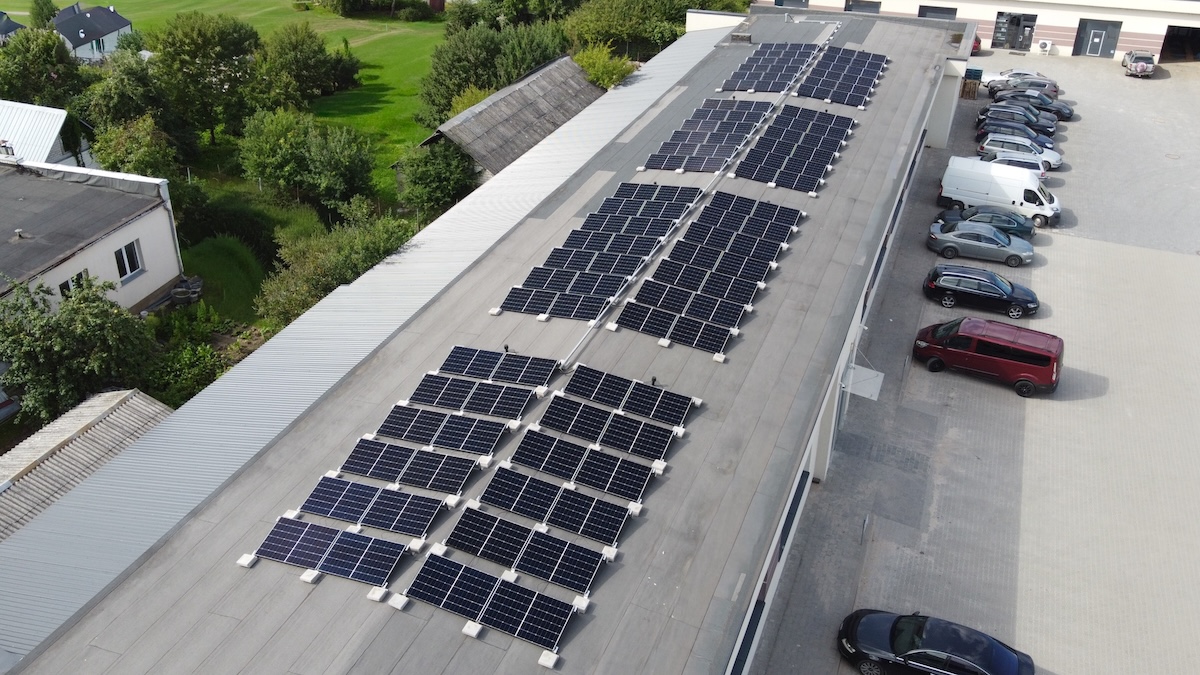
The goal is to expand financing for distributed energy resources, including solar and storage, that have attracted less financing than, say, utility-scale renewable energy projects.
CGC said it has a pipeline of more than 20 transactions that add up to over $3 billion for distributed infrastructure, ranging from battery storage, community solar projects, building efficiency, microgrids, and zero-emission transportation. Some of those sectors will be affected by the phaseout of clean energy tax credits. Other projects involve biochar, a newly hot method of carbon removal, and geothermal projects.
“The idea of having some financial partners was always part of our thinking,” Kauffman told ImpactAlpha. “$5 billion is a lot of money. It’s not that much money against the scale of the problem we’re trying to tackle. So everything we’re trying to do is transformational.”
Apollo, for one, has made a play for community solar. In April, it committed $220 million to Bullrock Energy Ventures, a Vermont-based renewable energy developer and financier, to develop community solar across New England. That followed a $400 million partnership with Summit Ridge Energy to own and operate solar across a half-dozen states.
Apollo did not respond to requests for comment. The firm’s CEO Marc Rowan was a top contender for Treasury secretary in the second Trump administration.
Brookfield is a major player in sustainable infrastructure. Mark Carney, formerly Brookfield’s vice chair and head of transition investing, became Canada’s prime minister in March.
In its report to the EPA, the Coalition for Green Capital said, “The partnerships are structured to encourage coinvestment, creating a multiplier effect that significantly increases total funding for climate-focused initiatives.”
Energy Capital Partners, one of the largest private owners of renewable energy, spanning solar, wind and geothermal, as well as of natural gas assets, was a natural partner, a person familiar with the firm said. ECP, which raised $4.4 billion for its fifth flagship equity strategy in May 2024, typically invests in larger, utility-scale projects.
ECP last year merged with London-based Bridgepoint Group to form a $73 billion asset manager investing across private equity, credit and infrastructure. In March, ECP teamed with ADQ, a fund from the capital of the United Arab Emirates, on a $25 billion initiative to power US-based AI data centers.
Under the Republican budget bill signed into law this month, solar projects will have to begin construction within a year to qualify for tax credits before they are phased out, although a Trump executive order suggested he might make it more onerous to prove that construction has begun.
“This bill will actually accelerate renewable activity as it drives more projects to start quickly in order to earn the credits,” Energy Capital Partners’ CEO Doug Kimmelman told The Wall Street Journal. “That certainly is what we are doing.”