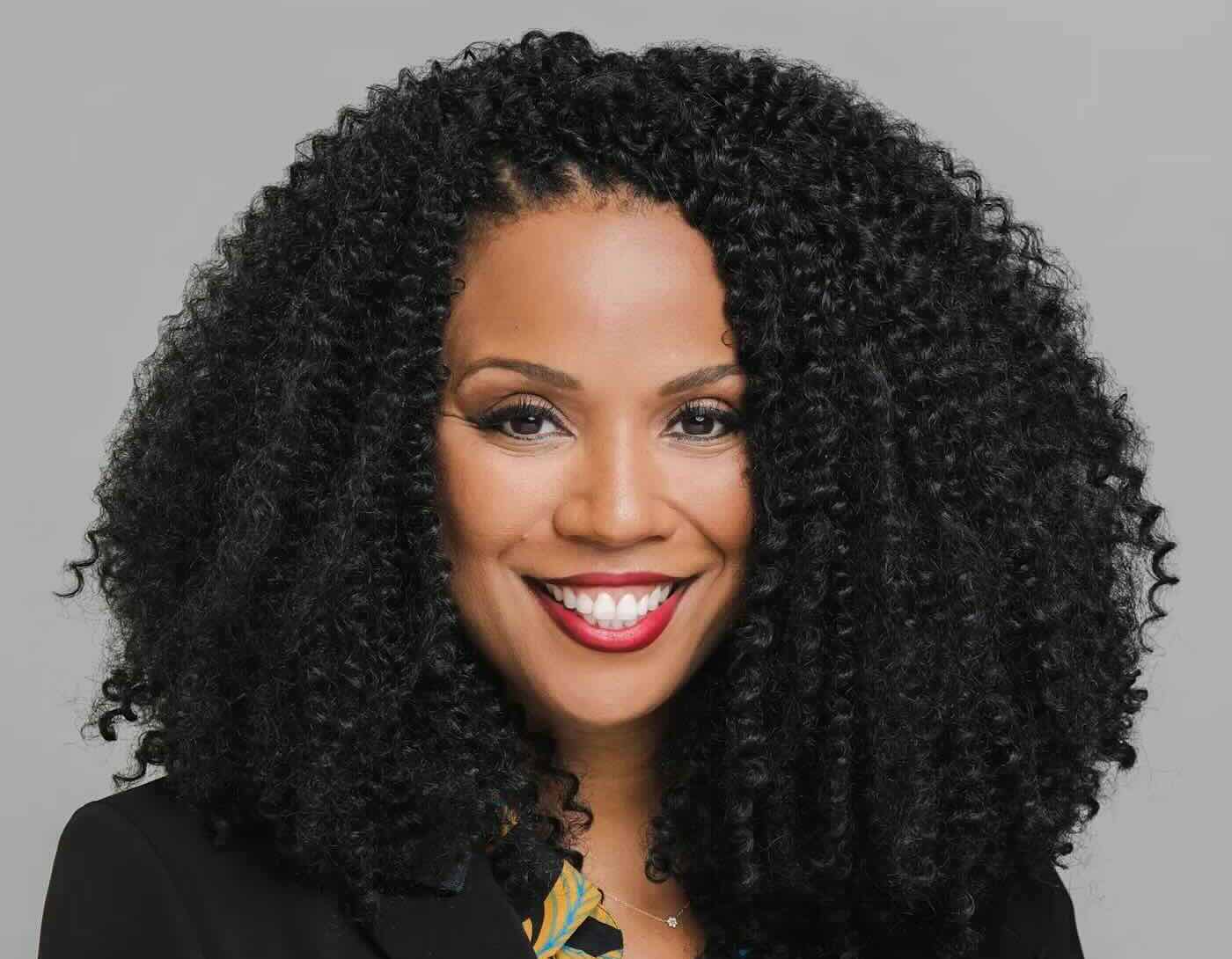

Plugged In is a series of monthly conversations with Black innovators building an inclusive and sustainable economy with host Sherrell Dorsey
For many, the term “mobility” might conjure images of electric cars or public transit. For Reggaria Goddard of Detroit-based Crowned Venture Capital, the mobility opportunity is more expansive – encompassing deep tech, critical infrastructure and a holistic approach to urban development.
Goddard, a Detroit native, defines mobility as the “the way we move people, goods, and services over land, sea and water.”
In the latest Plugged In episode, host Sherrell Dorsey sits down with Goddard, formerly of GM Ventures, to unpack her journey from the legacy auto industry to the forefront of mobility investment, exploring the opportunities and challenges within this rapidly changing sector.
Mobility beyond the basics
“When I talk about the future of transportation and mobility, I think a lot of us get EVs as kind of the first intersection of that, and so I think a lot of minds get stuck there, but it’s so much broader than that,” Goddard explains.
She highlights the link between EVs and infrastructure, which extends beyond charging stations to the underlying grid, fiber optics, cloud storage, and more. Mobility, she notes, also falls squarely within deep tech, with advanced air mobility, eVTOLs, drones, and autonomous vehicles relying on sophisticated AI and other cutting-edge technologies.
“There are lots of overlap from other industries,” Goddard says. “So tech, deep tech, communication, insurance tech, all these things are wrapped up into mobility, and some are probably investing already in these spaces and not necessarily linking it to mobility, but it’s very intricate that all these things work together.”
Shifting landscapes
Despite recent rollbacks in federal funding and energy and transit projects originally slated with Inflation Reduction Act (IRA) dollars, Goddard is steadfast in her belief in the growth of the mobility sector.
She points to the presence of EVs on dealership lots and the increasing conversion of private fleets to electric vehicles, such as buses in Martha’s Vineyard and various city vehicles. These shifts are often driven by private capital and controlled environments, proving that progress can continue even without significant federal backing.
Goddard also emphasizes the role of technological advancements, such as longer-range batteries and inductive charging in roads, as well as the private sector’s increasing investment in charging infrastructure within new buildings and corporate lots. She also highlights the broader energy infrastructure needs that underpin not just EVs, but also the burgeoning fields of AI, cryptocurrency mining, and humanoid robots.
“While we’re not calling it EV infrastructure – it’s not charging stations – That energy infrastructure is still being created,” she notes, pointing to large-scale renewable farms funded by companies like Meta.
Cities as laboratories
Goddard offers a glimpse into cities that are actively pushing the boundaries of mobility and smart city initiatives, praising cities like Detroit for their adoption of electric vehicles. In Miami, initiatives like electric boat companies for passenger transport and the development of a “digital twin” project to test various technologies and energy capacities demonstrate a forward-thinking approach.
These examples underscore a crucial understanding among city leaders: “they can’t stay where they are because they will be left behind.” Cities are actively seeking advanced technologies and open policies to attract and retain talent, reduce congestion, lower emissions, and minimize accidents.
Scalable solutions
When evaluating potential investments, Goddard’s core thesis revolves around two key principles: problem-solving and scalability. “I’m really big on solving problems, so filling in those gaps, like the things that maybe no one’s thinking about, or sometimes it’s a simple solution,” she explains. She cites an example of a company converting garbage into energy, a seemingly small solution with immense potential for cities struggling with waste management and infrastructure.
Beyond addressing immediate needs, Goddard looks for ideas with the capacity for broad expansion. “Maybe it starts for the urban community, but it has a bigger footprint in the long run for all around the world,” she says. Her focus is always on understanding the utility of a solution today and its potential utility in the future.
Shifting sentiments
Goddard observes a growing awareness within the investor and private wealth communities regarding the importance of investing in mobility and its interconnected sectors. She attributes this shift to the significant overlap between mobility and other high-impact areas like deep tech, AI, energy infrastructure, and sustainability.
“When you couple that with electric vehicles, or you couple that with solar panels, or renewable energy, that’s a two fold” Goddard explains. Investors are increasingly seeing the “two for the price of one” benefit: impacting climate change while simultaneously investing in advanced technologies with far-reaching implications across multiple industries.