
The deals pencil. The pipeline is vetted. The projects are shovel-ready.
Community lenders and green banks that had been set to deploy $20 billion in Greenhouse Gas Reduction funds are combing through their extensive pipelines of projects in community solar, building decarbonization and truck, school bus electrification and other green solutions. They have identified a pipeline of deals representing billions of dollars that can be moved forward even without the infusion of federal funding.
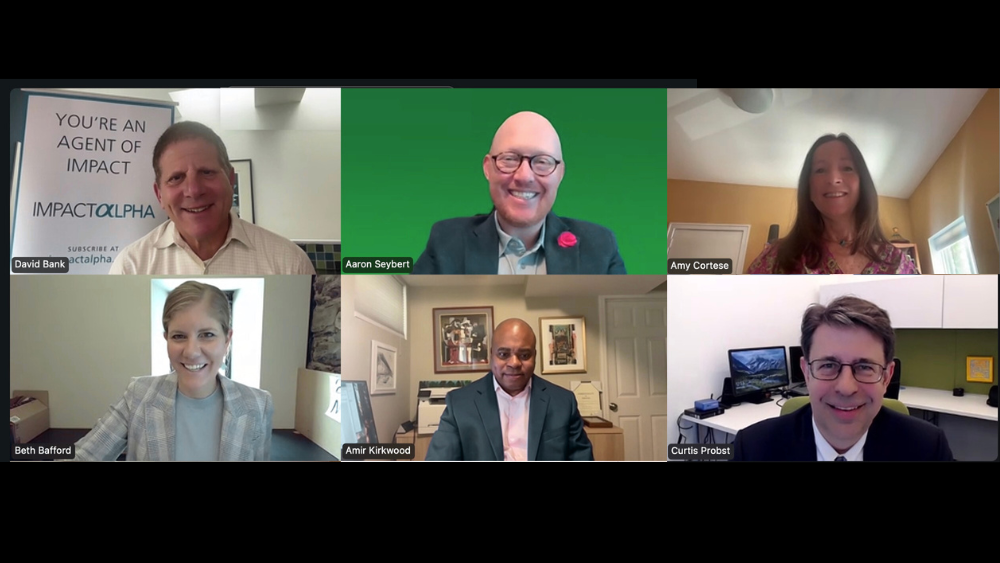
This week’s Agents of Impact Call surfaced a huge financing opportunity for impact and other private investors. That opportunity exists regardless of the outcome of legal challenges to the Trump administration’s attempts to freeze and rescind GGRF funds approved by Congress and awarded last year.
“The whole reason we exist is to lean into these challenges and opportunities when others lean out,” said Beth Bafford of Climate United, which had been awarded $7 billion in GGRF funding. “There’s a lot of leaning out on all sorts of things right now: on clean energy financing, on opportunities in low income and disadvantaged communities, on thinking about investments in a more equitable future.”
“And so we need to lean in, regardless of what is happening in Washington and the policy implications,” she said on The Call. “And that’s where this industry shines.”
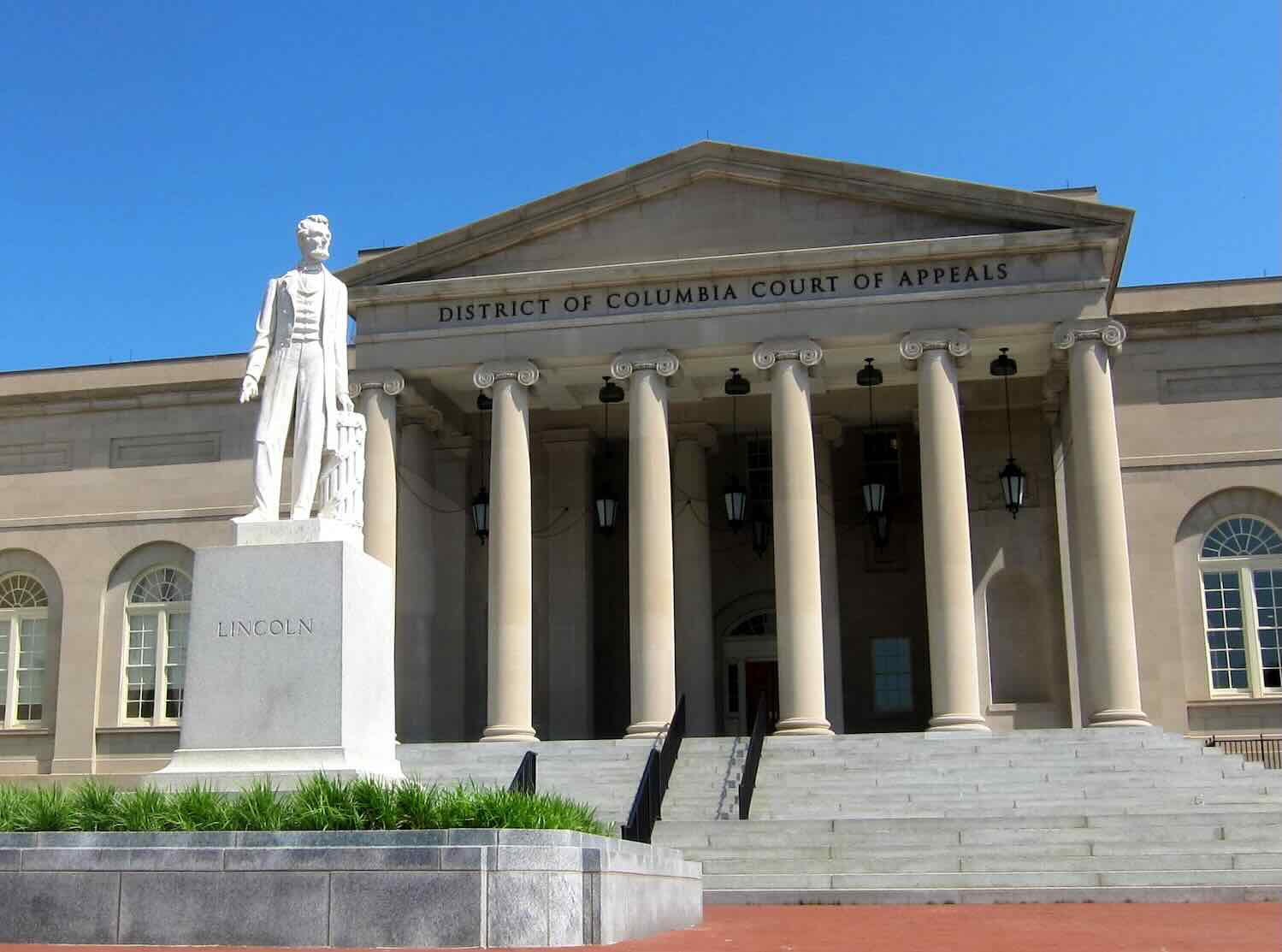
As much as $20 billion in total has been frozen in a Citibank account since February, as a lawsuit by Climate United and other GGRF awardees against the Trump administration’s EPA slowly plays out in the courts. An appeals court is mulling whether to uphold a preliminary injunction to unfreeze the funds that was issued in mid-March by a federal judge. Whatever the decision it is sure to be appealed.
Justice Climate Fund, which had been awarded $940 million, analyzed some 100 projects in its network’s pipeline to see which could be viable without the government subsidies. About two-thirds, or $1 billion, may be able to move forward, says Justice Climate’s Amir Kirkwood. Loan guarantees and other credit enhancements and support would speed the process.
The community development financial institutions that are part of Justice Climate typically make loans of under $5 million, while project needs exceed that amount. “So the entire program of Justice Climate Fund was designed from the beginning to leverage that private capital,” Kirkwood said.
On metrics like growth of assets, deposits and loans, the CDFIs match or exceed many big banks, with lower loan losses. So for investors, Kirkwood said, “You have a partner taking skin in the game with you on a transaction whose underwriting and performance standards are basically matching the banks that you’re normally going to for financing anyway.”
Curtis Probst of the New York City Energy Efficiency Corp. said the pipeline is robust for the kinds of projects NYCEEC finances, typically sub-$5 million projects that are too small for larger financiers, to retrofit multi-family affordable housing or install solar and EV charging infrastructure in buildings.
NYCEEC is tapping city and state programs, loan guarantees and other mechanisms to fund the projects, just as it has for 15 years. NYCEEC has mobilized more than $500 million in financing since 2010, halfway to its goal of $1 billion by the end of this year.
“GGRF is transformational,” Probst said on the Call. “It makes a huge difference. But you know, the clean energy transition order of magnitude is trillions of dollars per year globally. So there is a lot of capital out there, and there are a lot of projects that still can get funded,” he says. “We see a lot of projects that are penciling out.”
Instead of a giant slug of new federal money, the green rebuild will have to be financed by a collection of disparate initiatives that build on capital sources and mechanisms that community lenders have developed over several decades, said Aaron Seybert of Kresge Foundation. That means building clean energy and green solutions into financing for federally qualified health centers, affordable housing and other projects.
“Let’s bring capital partners to the table, and let’s get this flywheel moving,” Seybert said. “These are financeable deals, but you have to have to be adoption ready and the capital tools tweaked to meet the needs of these specialized industries.”
The Milken Institute’s Rachel Halfaker has been scrambling to assess transactions, aggregate portfolios and index products to ensure that the financing marketplace that was emerging “doesn’t fall by the wayside while we’re unfortunately playing defense.” A half-dozen calls matching investors with developers, she said, had identified $690 million worth of projects.
“And we’ve had close to 100 capital providers that are desperate to put their capital to work because they’ve just spent the last two years putting their products together.”