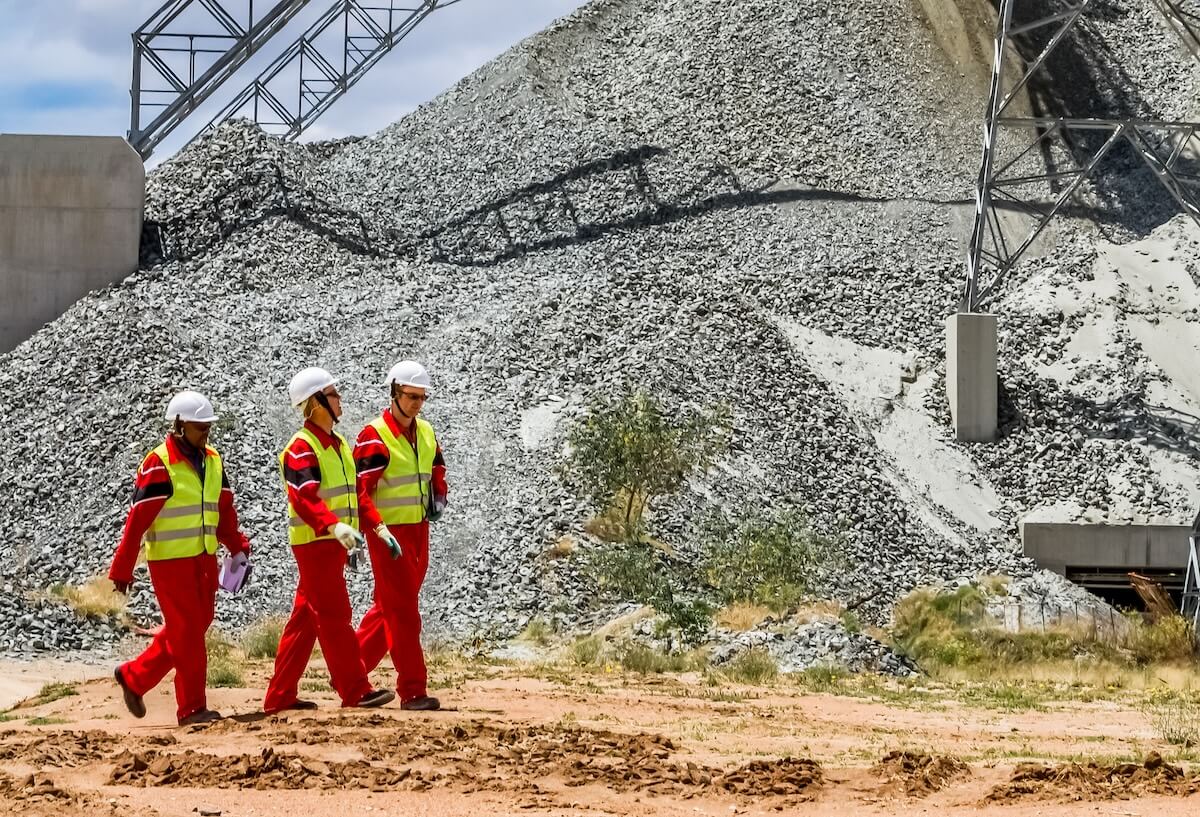
South Africa’s northern Limpopo province, near the border with Botswana, is one of the most rural, poorest and climate-vulnerable regions of the country. Plenty of money flows through – the mineral-rich area is a major hub for mining operations – but local communities have been left behind on basic services and infrastructure.
Netherlands-based Climate Fund Managers has committed $86 million in mezzanine debt to the Olifants Management Model Programme, a public-private initiative focused on expanding water infrastructure to both communities and commercial and in industrial users in the Bushveld Igneous Complex, one of the world’s richest deposits of platinum, iron, titanium and other minerals.
The capital will finance the first two phases of OMMP’s six-stage water pipeline project in the region, as well as renewable energy installations to power the new infrastructure.
The completed infrastructure is expected to deliver potable water to nearly 400,000 residents in the area, or 6% of the population, as well as industrial and mining companies.
Material risk
A case study by one of the region’s mining operators, Anglo American Platinum, noted that the lack of reliable water services in the area “has given rise to social unrest and asset destruction,” by local communities against mining infrastructure and operations.
“This investment demonstrates how blended finance can accelerate the delivery of essential infrastructure where it is most needed,” Climate Fund Managers’ Darron Johnson said of the deal.
Climate Fund Managers was formed a decade ago by Dutch development bank FMO and South Africa-based Sanlam InfraWorks. It manages nearly three climate-focused blended finance funds and nearly $3 billion in assets throughout Africa, Asia and Latin America.
Climate Fund Managers made the investment in OMMP through its second fund, a $1 billion facility that closed in October with catalytic capital from the European Commission and the Dutch Fund for Climate and Development.