
When I visited clean energy startups in Jakarta late last year, the founders I met were full of ideas. Solar leasing for businesses. Smart grid sensors. Battery swapping tech for two-wheelers. But they all shared the same frustration: we can’t raise the money to build what we know the market needs.
The International Energy Agency last month confirmed what I’ve heard time and again from entrepreneurs in Southeast Asia. In its latest “State of Clean Energy Innovation” report, the IEA revealed that less than 5% of demonstration-stage energy funding is reaching emerging and developing economies outside China.
Early and growth-stage hardware startups are especially feeling this pinch as tariffs rattle global supply chains and cast a shadow over investment.
In a world where innovation is critical to the clean energy transition, this is nothing short of a systemic failure. What’s needed is a serious recalibration of how we invest in the clean energy future – one that reflects where the need is greatest and opportunity is richest.
State of energy startups
Southeast Asia is one of the world’s fastest-growing energy markets. Entrepreneurs are primed with ideas to meet demand and address market gaps.
New Energy Nexus mapped clean energy and climate tech ecosystems across Vietnam, Indonesia, Thailand and the Philippines. We identified more than 300 early-stage startups working on solar deployment, grid efficiency, the circular economy, electric mobility and more.
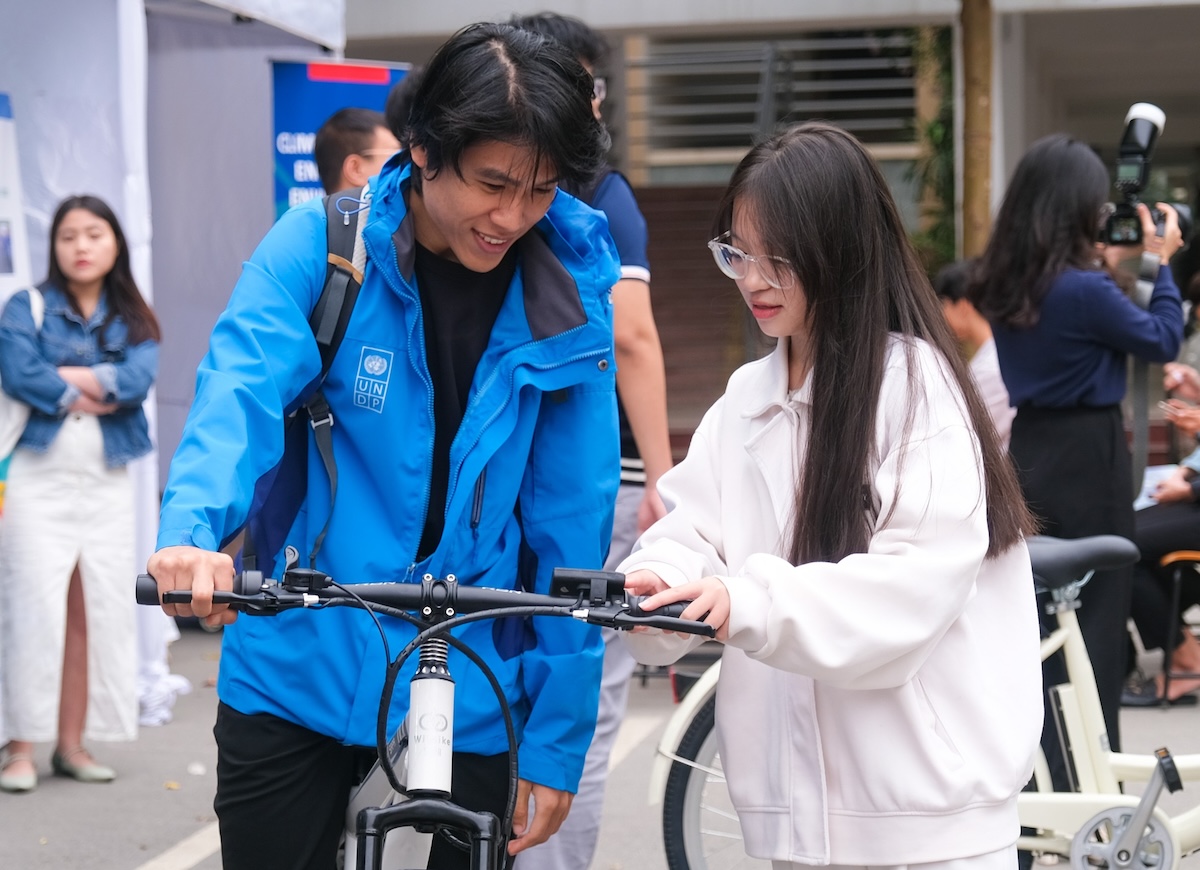
Founders are solving local problems with local insight. In Vietnam, Wiibike is building electric bikes tailored for congested, delivery-heavy cities. In Indonesia, Xurya has created a rooftop solar-as-a-service model that cuts through regulatory red tape. In the Philippines, we found startups designing clean energy solutions for off-grid island communities.
Such entrepreneurs are often stranded at the starting line, however, because of systemic gaps across Southeast Asia’s climate tech ecosystems. In Vietnam, although total climate tech funding jumped an astonishing 365% from 2021 to 2023, nearly half of climate tech deals are seed or Series A-stage; only two startups have raised Series B equity.
What’s more, investment has been heavily concentrated in food and mobility, leaving sectors like energy efficiency and carbon management underfunded.
In Indonesia, 64% of startups are still at the concept or pilot stage. Over half report less than six months of financial runway.
In the Philippines, most startups are still in the early ideation or pilot testing phases and have limited mechanisms for knowledge-sharing or project replication.
A majority of founders surveyed said they rely on personal savings to operate. In addition to capital, they also lack mentors, technical support and access to demonstration infrastructure to support their growth and scalability.
Catalyzing climate tech
Why does this matter? Southeast Asia is projected to account for 25% of the growth in global energy demand between now and 2030. Electricity consumption is rising by 4% annually, fueled largely by increased air conditioning because of heat waves and surging industrial activity.
If demand is met with fossil fuels, we lock in decades of emissions. If it’s met with innovation, we chart a different path – one that is sustainable, just, and scalable.
As the IEA rightly notes, innovation doesn’t end in a lab. It lives or dies in demonstration. The demonstration phase is where pilots are proven, scaled and translated into commercial adoption. Yet the funding and infrastructure for this critical step is concentrated in just a few regions of the world.
How do we recalibrate?
First by building the connective tissue between startups, governments and investors, as well as catalytic early-stage capital providers. New Energy Nexus is working to do our part through an effort to catalyze over $100 million through our Singapore-based NEX Ventures fund. It’s one of the few venture funds in the region focused solely on early-stage climate tech.
Governments must take bolder steps to de-risk early-stage deployment, including through climate innovation funds and public procurement.
Corporates can play a larger role as pilot partners and demand drivers.
Philanthropic capital should be used to crowd in private investment, while multilateral institutions can help build the shared infrastructure startups need to move from pilot to scale.
We don’t lack ideas in Southeast Asia. But without coordinated action, we risk leaving too many good ideas stranded in the lab or stuck in the prototype phase. And with tariffs disrupting global supply chains and global climate targets falling further out of reach, we can’t afford that.
What we need now is the will – and the investment – to ensure the global energy transition doesn’t skip the very places where it matters most.
Henri van Eeghen is the CEO of New Energy Nexus, a global nonprofit supporting clean energy entrepreneurs with funding, networks, and training in more than 10 countries.