For years, global capital has treated Southeast Asia’s nature economy as a philanthropic concern rather than an investment destination. While the region holds some of the world’s most powerful natural assets, it remains critically underinvested. Yet as climate risks intensify and supply chains strain, Southeast Asia’s ecosystems are shifting from ecological heritage to critical economic infrastructure.
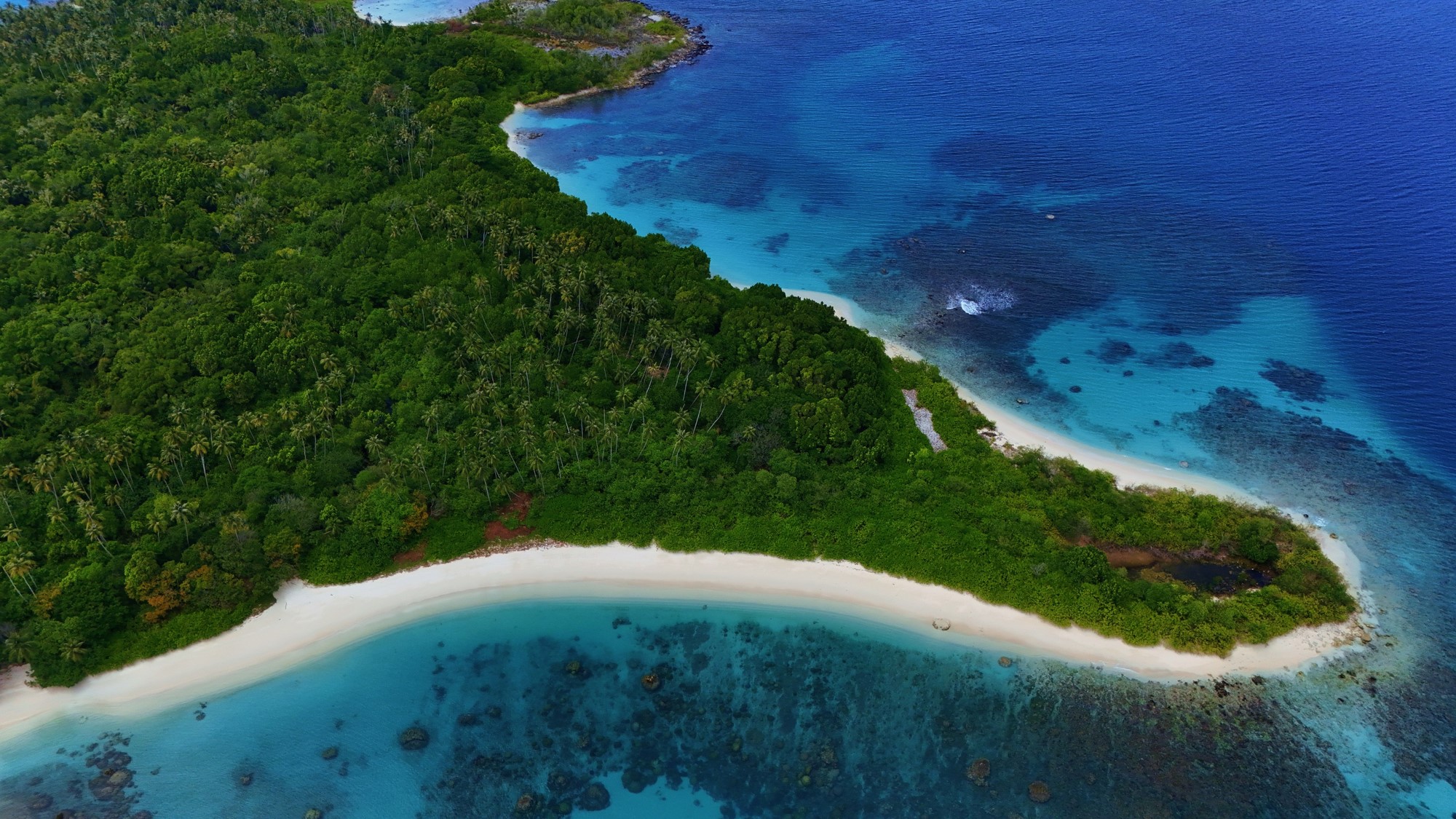
The region hosts 34 percent of global mangroves, sits at the heart of the Coral Triangle with 76 percent of the world’s coral species, and contains some of Earth’s most carbon-dense peatlands. Nature contributes an estimated $3 trillion annually to the regional economy. More than 650 million people depend on these systems for food, water and livelihoods — assets that underpin both climate resilience and long-term economic stability.
For investors, the question is no longer about whether nature will become financially material. It’s about who will build the architecture that turns these assets into investable, scalable businesses delivering climate and livelihood returns.
The structural failure behind the “missing middle”
A wave of commercially oriented, nature-positive ventures is building regenerative supply chains, producing bio-based products and strengthening rural economies. These ventures generate revenue, support communities and deliver measurable climate outcomes. Yet they remain largely invisible to institutional investors because the capital architecture to serve them doesn’t exist.
Early-stage nature enterprises typically need $100,000 to $1 million to reach commercial viability — too large for grants, too small for private equity. The vast majority never raise external investment. Investors misread this as weak deal flow when it’s purely structural. The early-stage infrastructure built for fintech or SaaS never materialized for nature.
Indonesia illustrates the gap starkly. The country requires up to $200 billion annually through 2030 to meet climate targets, yet current flows average only $6-7 billion, with less than half from private capital. Meanwhile, land use accounts for nearly half of national emissions. Ventures capable of transforming this are operating — but they are stranded between philanthropy and commercial capital.
What the financing gap looks like on the ground
In West Kalimantan, Forestwise produces wild-harvested illipe butter — a moisturizer — with forest communities on behalf of global buyers, protecting old-growth forests while strengthening rural incomes. Despite strong demand, accessing working capital proved difficult because community-based models were seen as high risk.
In East Java, Pandawa Agri Indonesia develops bio-based crop protection that reduces chemical inputs for smallholder farmers. Products are validated and adopted by cooperatives, yet early financing barriers slowed distribution and regulatory navigation. Traditional investors weren’t structured for sub-million-dollar tickets; grants didn’t fund commercialization. (Editor’s note: Terratai has invested in both companies.)
This pattern repeats across agroforestry, regenerative agriculture and bio-based materials: Demand exists and models work, but growth is infrastructure-blocked.
Why the window is shifting
Investor hesitation has had legitimate roots. Biological cycles create less predictable revenue than software. Early ventures operate in remote areas with limited data. Regulatory environments are uneven.
But the barriers are increasingly addressable. Supply chain traceability has matured. Independent impact verification is standardizing. Blended finance mechanisms are evolving. Global regulations are tightening — from EU Deforestation rules to corporate biodiversity disclosure. Nature-linked risks are shifting from optional impact considerations to material business factors.
The constraints that justified caution are eroding while the opportunity set expands.
Building early-stage infrastructure
Over three years working with entrepreneurs, communities and buyers on behalf of the conservation fund Terratai, a clear pattern has emerged for me: The issue isn’t innovation. It’s the absence of a structured pathway from operations to investability.
When ventures receive targeted support on governance, financial modeling and market access, and when financing respects seasonal cashflows, investability rises sharply. This insight is driving new approaches across the region.
Recognizing this gap, practitioners are designing integrated infrastructure models. Terratai is developing the Holistic Investment on Vital Ecosystems, or HIVE, which will combine hands-on venture-building with early-stage capital tailored to biological realities. Similar approaches are being piloted across the region, each testing how financing architecture can be redesigned for nature-based businesses.
Most ventures require several months of operational support before capital deployment to build financial systems, formalize governance and establish traceability. Most need $100,000 to $1 million, precisely where current systems undersupply. And most grow on ecological timelines, not venture conventions. Emerging models like HIVE formalize an approach that many practitioners have recognized for years: Capital succeeds when it arrives after system-building, not before.
For example, with structured support spanning working capital, venture-building and capital facilitation, Forestwise tripled revenue in 18 months post-support. Pandawa Agri Indonesia reached cooperative adoption across three provinces within two years. While exits remain nascent, acquisition interest from global food corporations and ESG-focused private equity provides emerging liquidity pathways, with strategic buyers increasingly valuing verified supply chains and climate-positive operations.
The opportunity for investors
Market signals are converging. EU regulations are reshaping commodity flows. Biodiversity credit markets are shifting from voluntary offsets to corporate procurement. ASEAN governments are tightening frameworks around sustainable agriculture and coastal management. Consumer demand for regenerative products continues rising.
Ventures capable of meeting this demand exist but remain small because scaling architecture hasn’t been built. Investors who engage now have the opportunity to shape the models and standards that will define Southeast Asia’s nature economy, positioning themselves at the center of a structural transition rather than waiting for market maturity.
For investors ready to participate, entry points include co-investment alongside emerging integrated facilities like HIVE, catalytic first-loss capital to de-risk pipelines or direct participation in venture-building programs. The window for defining this market’s architecture is measured in years, not decades. Southeast Asia has the assets, entrepreneurial talent and market signals to become a global hub for nature-based investment. Making that future a reality requires us to build the infrastructure that allows capital to flow with both confidence and patience.
The next decade of value creation will belong to those who build the architecture, not the ones who wait for it to appear.
Matt Leggett is founder & CEO of Terratai.
Guest posts on ImpactAlpha represent the opinions of their authors and do not necessarily reflect the views of ImpactAlpha.