
Each dollar invested in climate adaptation and resilience yielded more than $10 dollars in benefits over the course of a decade, according to the World Resources Institute.
The nonprofit calculated the returns from 320 such investments totaling $133 billion, and found potential returns of $1.4 trillion, for an average annual return of 27%. The projects spanned Bangladesh, Brazil, China, Colombia, Ethiopia, Ghana, India, Kenya, Senegal, South Africa, Uzbekistan and Vietnam.
The highest returns came from health projects, which had an annual rate of return of 78.5%. By reducing climate-related health risks such as malaria and dengue fever in flood prone areas, such investments generate returns in the form of lives saved, more economic participation and reduced healthcare costs.
The high returns from health projects “is not surprising since the value of avoided losses, measured in terms of mortality and morbidity is very high,” write the authors of the report, “A Triple Dividend Approach.”
The triple dividend refers to risk reduction from losses avoided due to climate disasters, economic growth from job creation, improved yields and overall social and environmental health that encompasses health and biodiversity improvement.
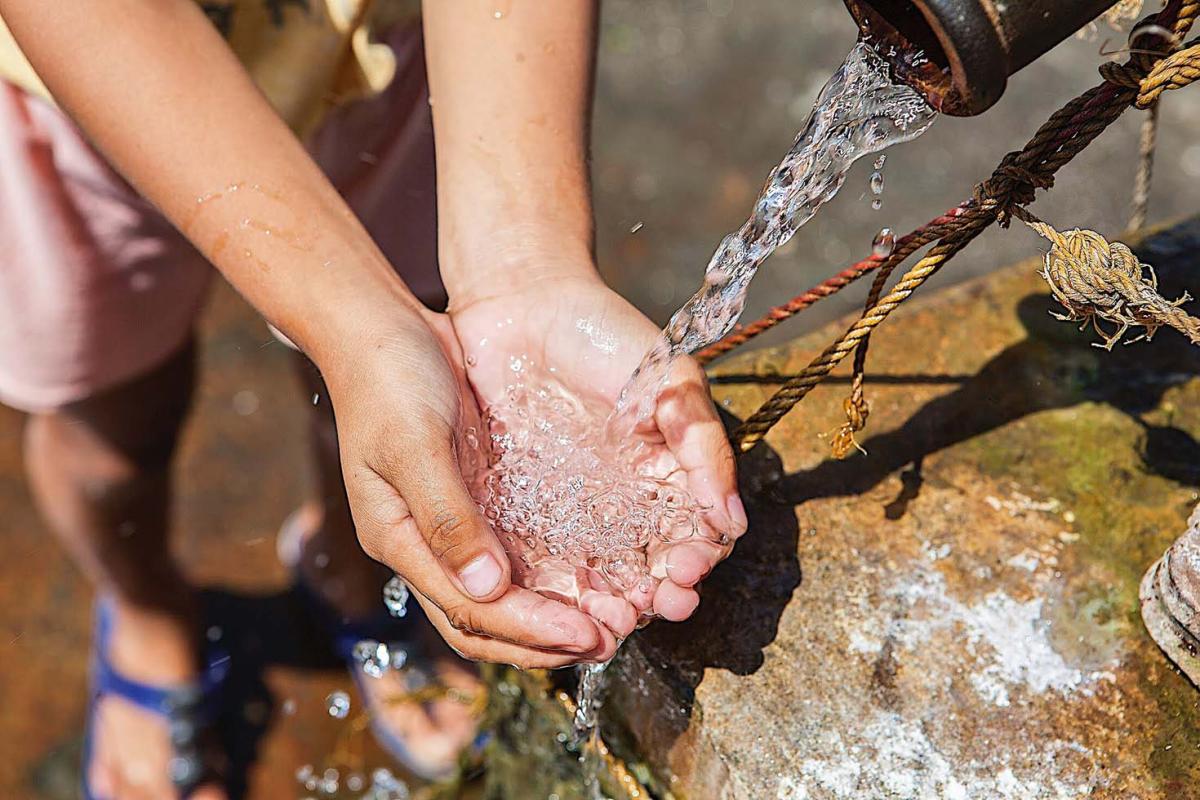
The Kenya Water, Sanitation and Hygiene Program, for example, was launched with a total project cost of $458 million to provide climate-resilient water and sanitation services. The WRI estimated the project to have a net present value of $2.57 billion.
In Bangladesh, the $129 million Weather and Climate Services Regional Project, funded by the World Bank, had a net present value of $414 million. The project aims to strengthen the ability to deliver reliable weather, water, and climate information in the flood-prone country.
Resilient infrastructure
The dividends from economic growth and social and environmental health are double the value of the avoided losses, the report said. That means “the viability of many adaptation investments does not depend on the anticipated disaster occurring.”
For instance, the Hubei Yichang Rural Green Development Project supported by a $200 million loan from the Asian Development Bank aims to modernize rural agriculture with efficient irrigation and agricultural waste and water treatment systems. WRI estimates that the project has a net present value of $288 million, with $165 million in savings on water use and $3.3 billion in increased agricultural productivity.
“Improvements in climate-smart agricultural practices and infrastructure, as well
as agricultural waste and water treatment systems can result in significantly increased productivity, far outstripping the cost of the initial investment by an order of magnitude,” the report says. The report estimated the net present value of the project, funded by the Asian Development Bank, at $289 million, nearly twice the size of the original investment.
In South Africa, the C40 Cities Finance Facility supported Transformative Riverine Management in the eThekwini Municipal Area. The nature-based solution aims to tackle flooding in the region, alongside creating jobs and improving transportation. WRI places its net present value at $2 billion, nearly six times its original cost.