
There is $1.57 trillion in impact investing assets actively seeking deployment. The field has spent a decade building sophisticated instruments to move it. First-loss tranches. Risk guarantees. And still, the same thin pipeline of investment-ready deals gets recycled through fund after fund while the enterprises that could absorb that financing, businesses with real revenue and potential, never get the working capital they need to grow.
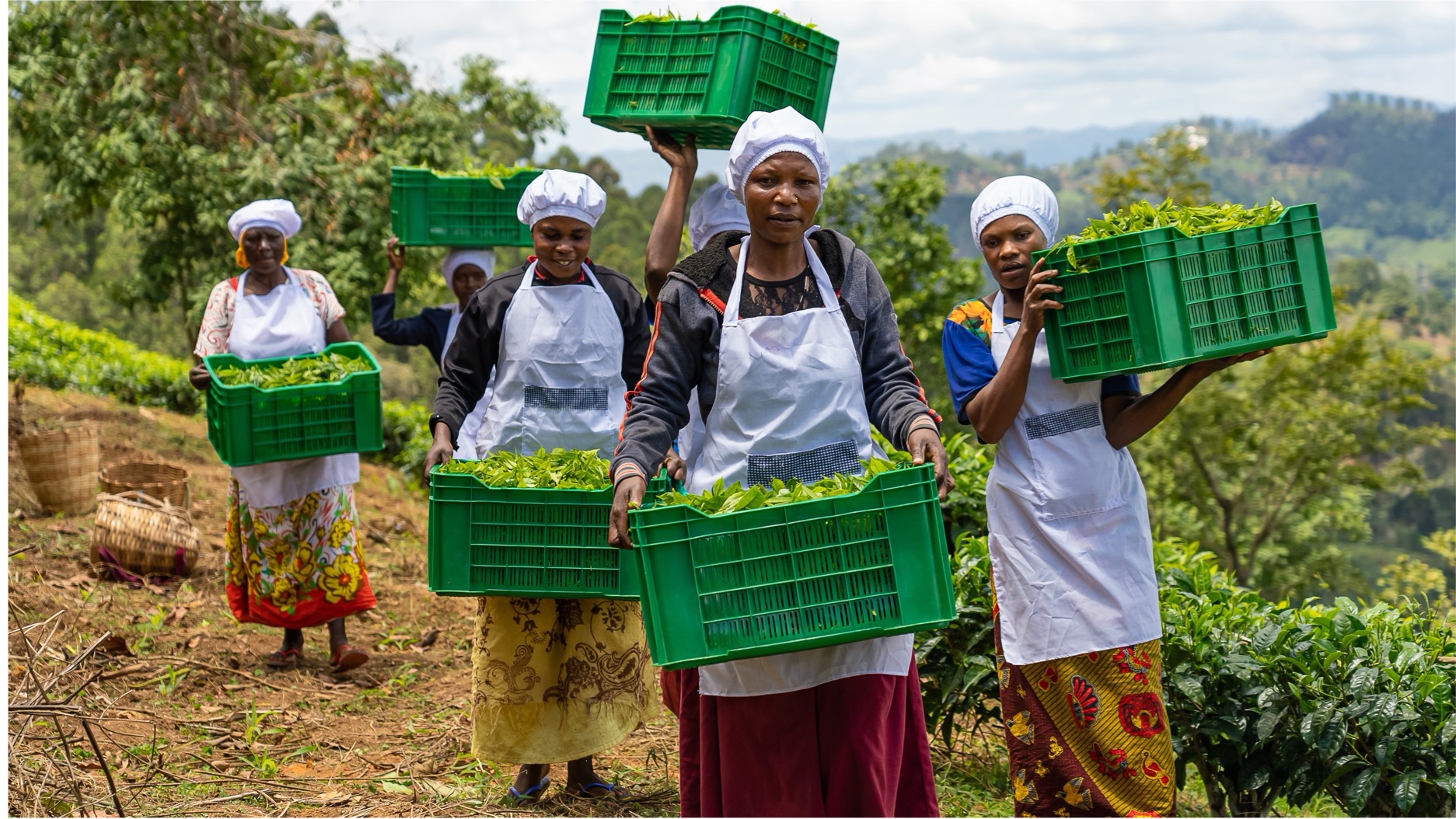
The key to this paradox sits one level below where the field has been looking. It reaches down to the organizations doing the unglamorous upstream work of moving people from informal economic activity into enterprises legible to capital markets. That pathway, from informal group to small business to investment-ready enterprise, requires years of embedded presence, trust built at the community level, technical assistance, market linkage and a form of patient relationship capital that no fund manager possesses or can manufacture at speed.
At CARE, which catalyzed one of the world’s largest savings group networks, we have watched this dynamic play out across dozens of countries. The investment-ready enterprise has to be originated. And origination takes community infrastructure.
The organizations that have built this pathway, running savings groups and producer associations, accompanying entrepreneurs from their first loan to their first export contract, connecting smallholder farmers to premium buyers, are not just program implementers. They are the origination layer the entire blended finance ecosystem depends on. Take them out of the picture and there is no credible deal flow. There is only the same recycled pipeline getting passed around a room full of funds with nowhere good to put their capital.
The disconnect
The architecture of blended finance has consistently treated these community organizations as recipients of grant funding rather than as essential counterparties whose function should be recognized, priced and rewarded accordingly.
The consequences of this disconnect compound. Organizations perpetually underfunded for the function they perform have no seat at the table when deal structures are designed. The field keeps scaling vehicles without scaling the pipeline those vehicles require. And the enterprises that need capital most, like the four-year-old dried food exporter with EU contracts who just needs a short-term credit facility to meet demand, get passed over because they do not fit the equity thesis of whatever fund happens to be operating nearby.
Consider what the data already tells us. Globally, 740 million women remain excluded from formal finance. Three billion people lack adequate credit histories. Savings group members, the very people origination organizations work with daily, repay loans at rates above 97 percent. The risk narrative has always been wrong because what has been missing is the infrastructure to convert that repayment discipline into deal flow that capital markets can recognize.
A five-step pipeline
The pathway, when built deliberately, works in five steps.
- A savings group member builds three years of verified weekly contributions.
- A capital readiness score assesses her governance, financial behavior and market access.
- Every transaction gets timestamped and funneled into an AI-enabled credit score aligned to banking requirements.
- A financial service provider offers a seasonal loan product, backed by a time-limited first-loss guarantee that bridges lender risk while the relationship is established.
- She repays in full and the guarantee is removed.
In a CARE project in Sierra Leone, 50 percent of women who completed this pathway took a second loan from the same institution with no guarantee at all. The infrastructure did its job. The borrower is now visible to capital on her own terms.
Investing at the pipeline level
At CARE, our work across savings groups and producer associations in Uganda, Tanzania, Ghana and Côte d’Ivoire shows that when you build the pipeline deliberately, repayment rates climb, enterprises graduate and commercial capital that previously considered these borrowers unbankable starts to follow. Grant capital deployed not as program funding but as catalytic investment in the pipeline layer builds the deal flow that commercial vehicles need to deploy at scale. Fund managers partnering with community-rooted organizations during deal sourcing, not just due diligence, find better deals.
As bilateral aid budgets contract and official development assistance retreats, the organizations that have historically bridged community-level programming and market-facing enterprise development face existential pressure. The field is losing its origination infrastructure at precisely the moment it needs it most. For an ecosystem sitting on $1.57 trillion in assets, that is a market failure worth fixing.
The organizations that built the community-to-enterprise pathway are the solution. The capital side of this ecosystem has been slow to price that correctly. It no longer has the luxury of time.
Adanna Chukwuma is the associate vice president for economic growth and private sector engagement at CARE USA.
Guest posts on ImpactAlpha represent the opinions of their authors and do not necessarily reflect the views of ImpactAlpha.