
Livestock grazing has caused severe land degradation in a critical biodiversity zone in South Africa’s Eastern Cape. An ambitious project underway by Singapore-based nature restoration planner Imperative is looking to restore at least 100,000 hectares (247,000 acres) of the area known as the Albany thicket.
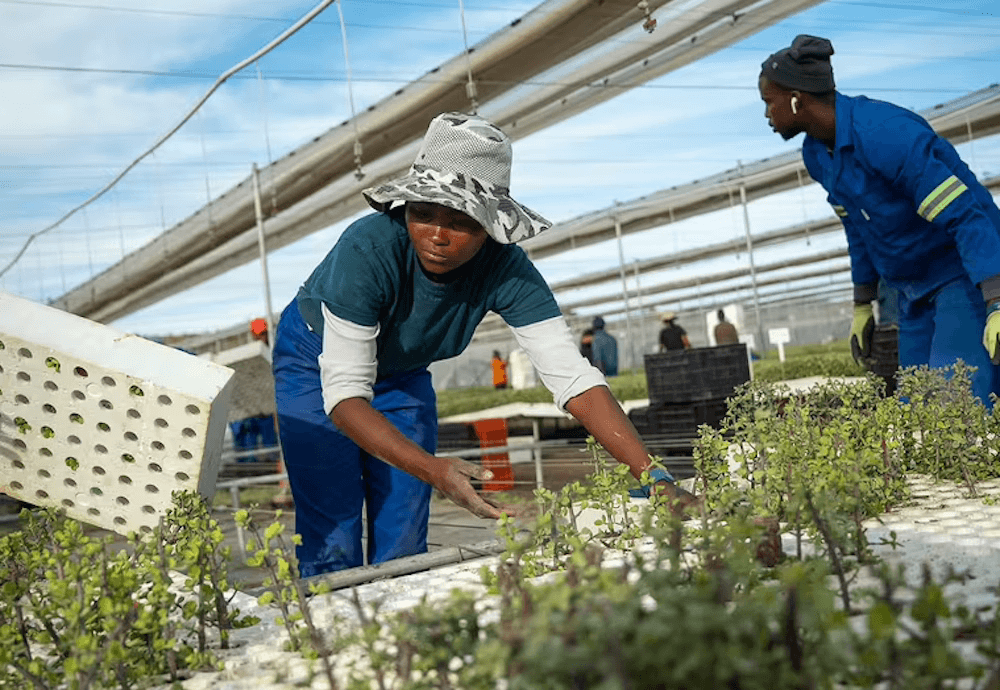
Imperative is planting a robust native desert plant called spekboom to replenish the soil, sequester carbon and help restore other native plant species. The project, underway for two years, has covered nearly 25,000 acres of the thicket.
The World Bank is directing $25 million from an outcomes-based bond to support phase two of the project, which will scale up to 124,000 acres. Private investors including Mirova, GenZero, Rubicon Carbon and Bregal Sphere are investing an additional $66 million.
Singapore-based Imperative has raised a total of $114 million for its spekboom initiative, including the $91 million secured for the second phase.
The World Bank financing is part of a larger $120 million bond the bank issued to support nature restoration projects. Investors signed on for a 2.4% fixed-rate coupon, with protections on the principal, until the bond matures in 2040.
Beginning in late 2031, investors will also receive payments linked to the sales of carbon credits through a fixed-price, 10-year offtake agreement with Amazon. The offtake “provided the demand certainty required to unlock both commercial financing from investors and outcome financing from the World Bank,” said GenZero’s Kimberly Tan in a statement.
The bond was arranged by BNP Paribas and listed on the Luxembourg Stock Exchange. Investors include Nuveen, AllianceBernstein, Impax Asset Management, L&G and MetLife Investment Management.