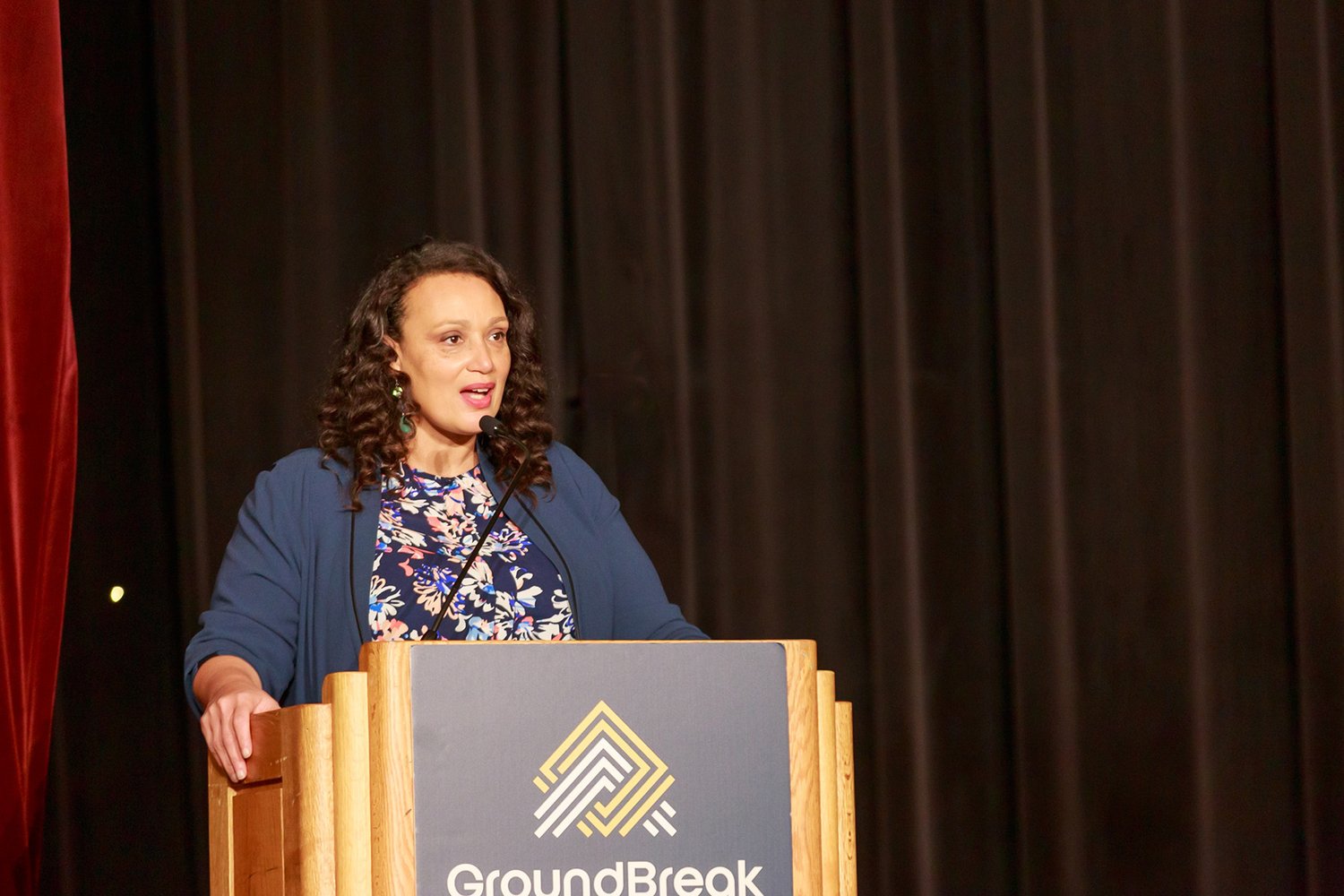
Tonya Allen has some simple advice for some of her more risk-averse foundation peers: If your lawyers are telling you to pull back, get a new lawyer.
In the current political environment, Allen is pushing Minneapolis-based McKnight Foundation to invest more, not less, in strategies to advance racial equity and climate action.
“When you’re in a crisis, that’s a time when you should be bolder,” Allen told ImpactAlpha. “This is not a time when you should shrink.”
The $2.6 billion foundation recently began releasing capital to local lenders that are part of the Groundbreak Coalition, which has raised $1 billion for an ambitious effort to expand access to capital for commercial real estate and business ownership in historically underinvested neighborhoods in the Twin Cities, support entrepreneurs and small business owners, and help aspiring homeowners with downpayment assistance. The initiative’s partners among local community development financial institutions and other lenders aim to deploy $100 million over three years.
The foundation has also raised its grant budget and its allocation to program-related investments, a hybrid form that enables foundations to use their program budgets to provide debt, equity and guarantees to founders and fund managers aligned with their philanthropic programs. McKnight’s program-related investment mandate increased to $100 million.
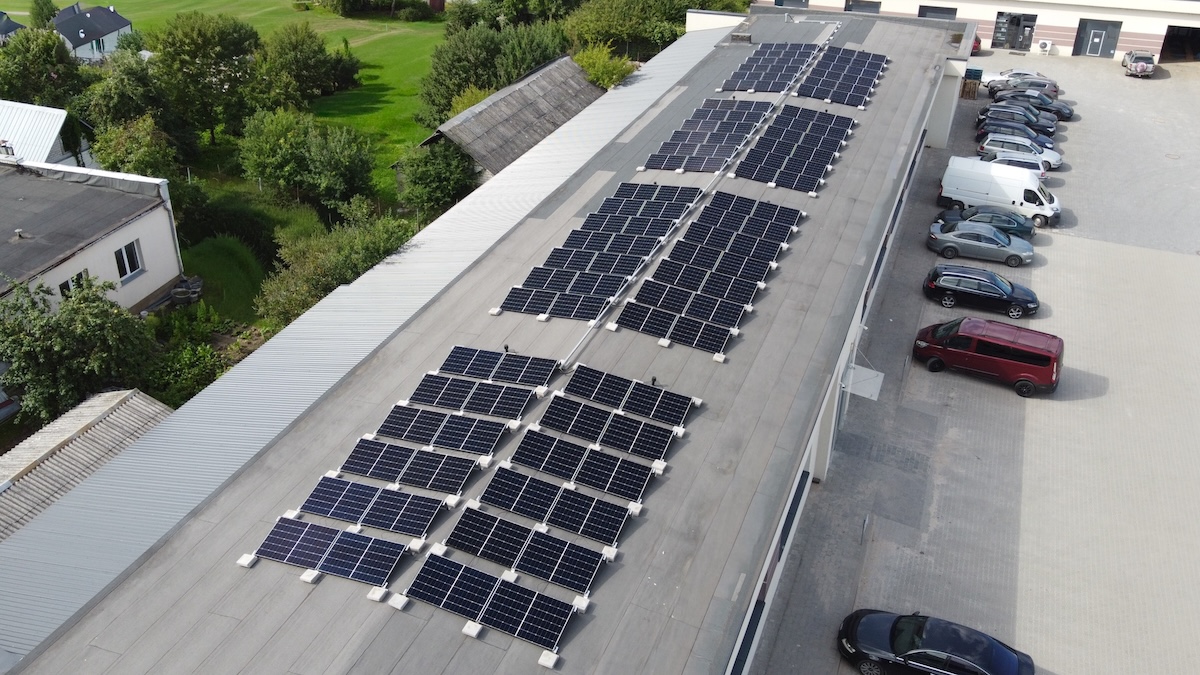
The foundation recently backed Brick by Brick, which is returning about 400 single-family homes in the Twin Cities to local ownership after they had been acquired by a private equity firm in the aftermath of the 2008 financial crisis. Another PRI portfolio company, Cooperative Energy Futures, is a community solar developer that is helping transition solar assets to cooperative ownership.
Last year, McKnight granted $145 million, its most ever, to more than 700 organizations. The 7% payout rate was well above the legal minimum of about 5%; Allen said payout will remain above 6% for the rest of the decade.
Aligning the endowment
The foundation is more than halfway to its long-term goal of aligning its entire endowment with its philanthropic mission through impact-focused market-rate investments. Allen highlighted McKnight’s investment in the Vistria Housing Fund, which has raised more than $2.5 billion for the creation and preservation of affordable and workforce housing.
McKnight is an LP in Ecosystem Integrity Fund’s fifth fund, which closed last month at $225 million and has made eight investments in solutions around nature-based carbon, electric vehicle fleet optimization and sustainable agriculture.
Allen, who has led McKnight since 2021, says she is being outspoken about McKnight’s investments in racial equity and climate action precisely because so many others are keeping quiet. The foundation released its manifesto, “All In On Mission,” to rally other foundations as well.
“There was so much fear in the atmosphere about whether you could be your authentic self with the kind of pushback that was happening at the federal level by the government,” Allen said in the interview. “I believe we have the freedom to give, to invest, and we should have the freedom to be able to speak on the things that we value. If that requires group or collective action to help other people feel comfortable in that space, then we want to create that for them.”
Other foundation leaders have also called for solidarity in the face of attacks on diversity, equity and inclusion programs and other initiatives. The resistance may have helped stall the Trump administration’s threats to revoke the tax-exempt status of some nonprofits and foundations. Allen and MacArthur Foundation’s John Palfrey helped rally more than 700 organizations to sign a public statement “to protect our freedom to express ourselves, to give, and to invest in our communities.” Surdna Foundation’s Don Chen also issued a call for solidarity.
Allen paints the mission-critical investment push as a prudent financial strategy.
“This is not a charitable inclination. It is what we believe is necessary in order for this country to thrive and to grow,” she said. “When you have people who have been left out of the market – people or institutions or talent that’s been left out of the market – it is in our best interest to find those opportunities and to make investments in them. Because we believe that gives us growth opportunities and allows us to expand our mission.”