As a disabled founder, I’m routinely floored by the haphazard nature of capital deployment in our space.
Having worked in accessibility officially for six years and unofficially for nearly thirty, it’s painful to watch investors make the same mistakes over and over expecting different results — and then writing off the disability and accessibility tech spaces as “too small of a market.”
This problem runs deeper than just uninformed capital allocation. Founders are also to blame. But I share this from a place of belief: Everyone in accessibility and disability tech — whether they are a founder, investor, advisor, or engineer — does care about the disabled community and brings real benevolence (alongside financial expectations) to the work they do.
But these missteps aren’t just affecting returns, burning out founders, and frustrating LPs — they’re actively making conditions worse for disabled people. And I don’t think anyone wants that.
What You Should Know
Startups are too often focused on sexy, futuristic tech that isn’t viable — leaving the disabled community with nothing in the present. It’s not that accessibility isn’t fundable, it’s that many portfolio companies haven’t done enough real customer research. And they’re getting away with it.
It wouldn’t make sense to invest in an enterprise fintech company whose only experience was using an ATM. So why fund assistive tech companies who’ve only asked a blind person to model in their product shoot?
The last few years have seen accessibility companies promising everything from XR exoskeletons to massive VR headsets for blind navigation. While cool in theory, these products are often too cumbersome, too expensive, and too complex to gain real adoption. The energy and money of people who genuinely care about accessibility is going to waste.
This isn’t because disabled people won’t pay for solutions. It’s because founders are trying to light a birthday candle with a flamethrower — offering beta products at designer prices.
Before you say, “Everything’s crazy until someone gets it right — look at the iPhone,” consider this: Accessibility tech isn’t like the iPhone.
Most consumer tech falls into two categories:
- Things people may want, but don’t need.
- Tools that push society forward over time.
You might think accessibility tech fits into the second category. It doesn’t. The difference is urgency.
Disabled people have immediate needs. A wheelchair user confronted with inaccessible stairs needs a solution now. A deaf person trying to watch training videos without captions needs a solution now. A low-vision person navigating poorly designed signage needs help now.
The disabled community doesn’t have the luxury of waiting for unproven tools to “get good.” They need practical, usable solutions… yesterday.
At the same time, it’s easy for someone who hasn’t experienced disability (yet) to assume that being blind or deaf is a fully defining experience someone would do anything to escape. The truth is: disabled people are human. They want comfort, control, and not to stand out.
Truly successful accessibility tools don’t redefine normal — they integrate into it.
Assessing disability tech
Like any industry, there is a lot to know about accessibility and the many different types of companies within it. Here are a few flags that can be used to assess if a company and founding team are building something adoptable.
Green Flags:
- The company is presenting a technology that, in your personal current condition, YOU would use. Good assistive technology should actually be able to make life a little better for anyone — if your first instinct is “I wouldn’t be caught dead using/wearing/holding that,” a disabled person will probably feel the same.
- The CEO or CTO has experienced the EXACT disability the company is addressing. While experience with any disability is good, would you consider a founder with deep experience in Android development to be a good fit to build a native iOS company? If the CEO or CTO has the disability experience they are solving for, you have an opportunity to invest in founders that don’t just have a problem, but live the problem — and likely have years of experience dealing with it to rival your most successful portfolio companies.
- The product is surprisingly simple. A disabled person is no more likely to opt into an overcomplicated contraption than anyone else is — especially if they have to pay thousands of dollars for it. If the technology is almost so simple it seems silly, the team probably knows what it’s doing.
Red Flags:
- The company can only produce a few testimonials, instead of extensive customer research. Contrary to popular belief, there are millions of Americans with just about any disability. If a company is having trouble finding them to do market research before they build, it is going to have an even harder time selling to them. It’s even worse if the testimonials were only solicited after significant R&D spend on the tech. That’s not consumer research, that’s cherry-picking validation points.
- The founding team infantilizes, overgeneralizes, or attempts to mimic the disabled experience. Yes, I’ve seen founders who are pitching at reputable competitions pretend to be blind for half the pitch. While this is an extreme example, founders with true experience and knowledge of the disability ecosystem won’t ask an audience to “close their eyes” and “pretend that’s all you ever experience.” If they do, they likely have minimal empathy for, or experience interacting with, their target users.
- It’s obvious to you how the tool would be useful to someone with the disability. Yes — this is a red flag. The caveat here would only be if you, or someone in your immediate family, also has the disability. If not, you’re at a high risk of oversimplifying the target market’s experience. The needs of the disability community are often nuanced and highly specific — if it doesn’t quite make sense to you, it probably means the founding team has deep domain expertise.
Opportunity and responsibility
Sex appeal doesn’t replace substance. Investing in accessibility tech isn’t just socially good — it’s a meaningful opportunity to fund innovation that meets real, unmet needs for millions.
These aren’t novelty apps or moonshots. They’re tools that materially impact people’s ability to participate in the world. They deserve the same, if not higher, standards of diligence, scrutiny, and rigor as any other sector.
When accessibility products fail, they don’t just disappoint investors. They risk further marginalizing the very people they claim to support. So let’s not lower the bar out of compassion. Let’s raise it – because disabled people deserve nothing less.
Progress should be our end goal — but it must be progress with process and intent. That means designing with disabled people, not for them. It means creating tools that solve today’s problems, while building insight into tomorrow’s needs.
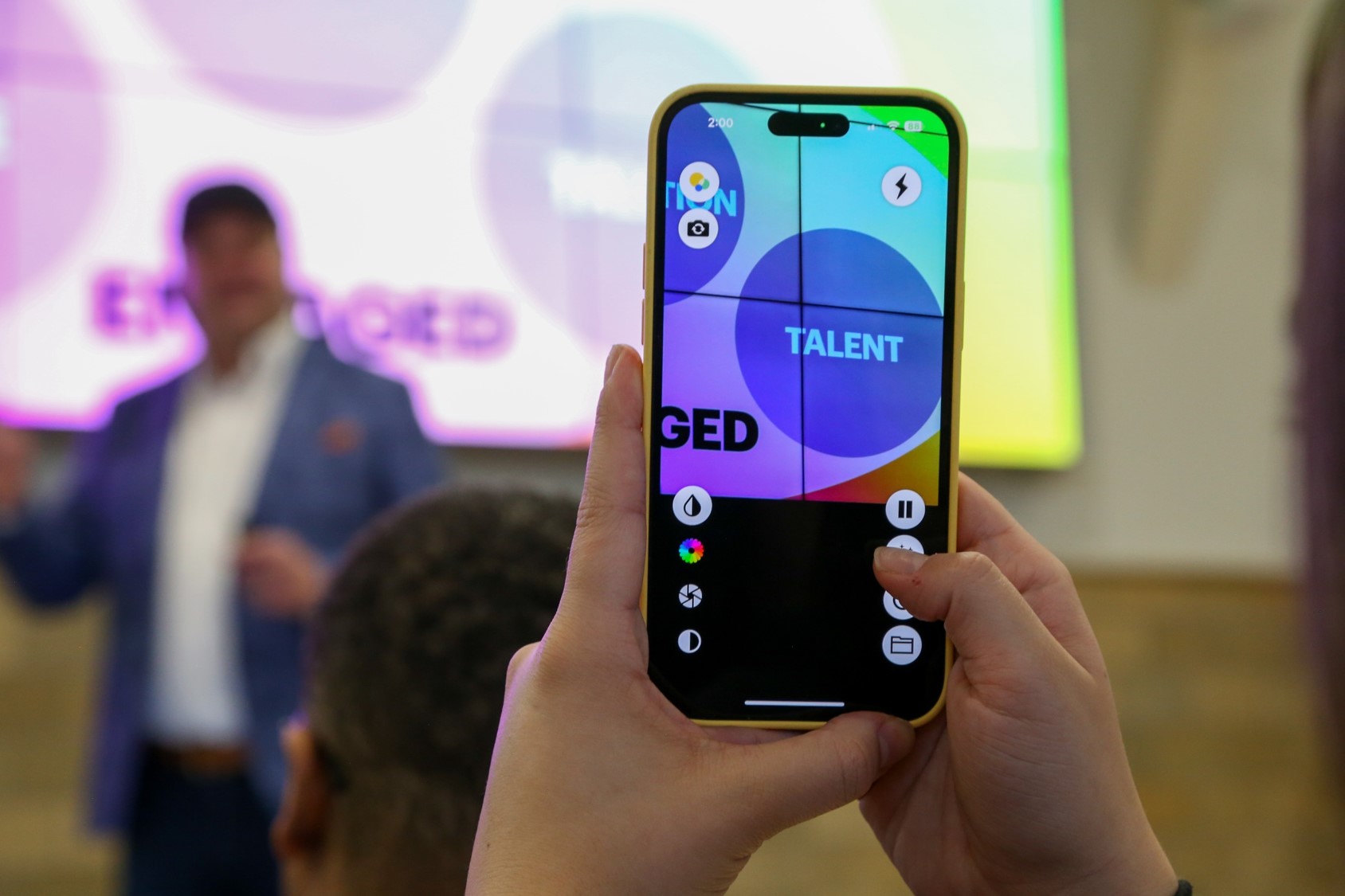
This strategy has succeeded at ReBokeh, the technology company I founded. By building a product to serve the low-vision community that is centered around the smartphone camera — a familiar form factor users already know and trust, we’ve grown a global user base in 115 countries.
Our users know that we will respond to their feedback directly. That process has helped us develop one of the most stable and user-friendly vision assistive tools on the market. Countless users tell us that ReBokeh makes a real difference in their lives. Today, we do so at scale — partnering with airports, museums, zoos, and more.
Investing in accessibility tech works. But only if you choose companies who have done the work to understand the real market need.
Rebecca Rosenberg is the founder and CEO of ReBokeh Vision Technologies.