In our current environment, impact investors committed to racial equity and social justice need to clear a higher bar than “mutual benefit” or “triple bottom line.” With threats including natural disasters, challenges to immigrant rights, and recent election results, there is renewed urgency to demonstrate that economic, social, and environmental interests can and must align. Particularly as government funding for a wide range of social and environmental issues has been thrust into uncertainty, impact investors have a crucial role in protecting community interests. When investors ensure that the communities they’re investing in realize the long-term benefits and retain control of the value from these investments, everyone gains.
The organizations we lead – Justice Capital and Nonprofit Finance Fund – support community ownership where coops, community-accountable local nonprofits, employee ownership structures, or other models ensure communities own and govern their own assets. We have seen firsthand how community ownership models can open up more equitable economic opportunities in communities experiencing long-term disinvestment. Additional investment in this paradigm can bring us one step closer to the transformational impact our world needs.
Consider an organization like PUSH Buffalo, where 25% of the real estate in their neighborhood is under community ownership. This enables residents to have better standards of living, train and hire their neighbors to develop properties, offer below-market-rate rents, and ensure clean energy access to communities that historically have been left behind in responses to the climate crisis. The benefits of community ownership show up not just in the average cost of a home in their neighborhood, but in the children playing on the street and the elders who are vocal about their needs and vision for the community. PUSH has seeded more equitable economic development, catalyzed local small business growth, and put the community in the driver’s seat of their neighborhood for governance, ownership, and financial, environmental, and social benefit.
PUSH Buffalo is not alone. Communities across the nation and the world have historically led community ownership models. While there are many variables to consider, best practices in community ownership models include:
- Community Design and Governance: The community’s vision and values are represented in the business model, strategies, and priorities of an initiative or project. Community members are an integral part of both the design and governance of the asset to ensure the project remains true to its purpose.
- Community Impact and Benefit: In the design process, the community outlines the financial, environmental, and social impact they want the asset to have. The full design of the project is then created to build these specific impacts. In this way, the needs and priorities of the community are centered in the process and may be codified in impact covenants or incentive agreements.
- Community Investment Opportunities: Community members have opportunities for micro-investment and ownership opportunities; any profits first go to community members who invested.
- Profits from the Asset Return to the Community: This could be designed as reinvestment in key services or direct payments or credits to community members.
Community ownership catalyzes social and environmental resilience
In practice, community ownership offers an exciting opportunity to advance environmental and social good while tapping into high-impact investment opportunities led by communities best able to evaluate community return and impact. Investors can provide capital to scale field-tested approaches, staging investments to minimize risk and expand positive outcomes, sometimes exponentially.
The SAGE Development Authority provides an example of how community ownership can be used to build resilient infrastructure and long-term economic prosperity.
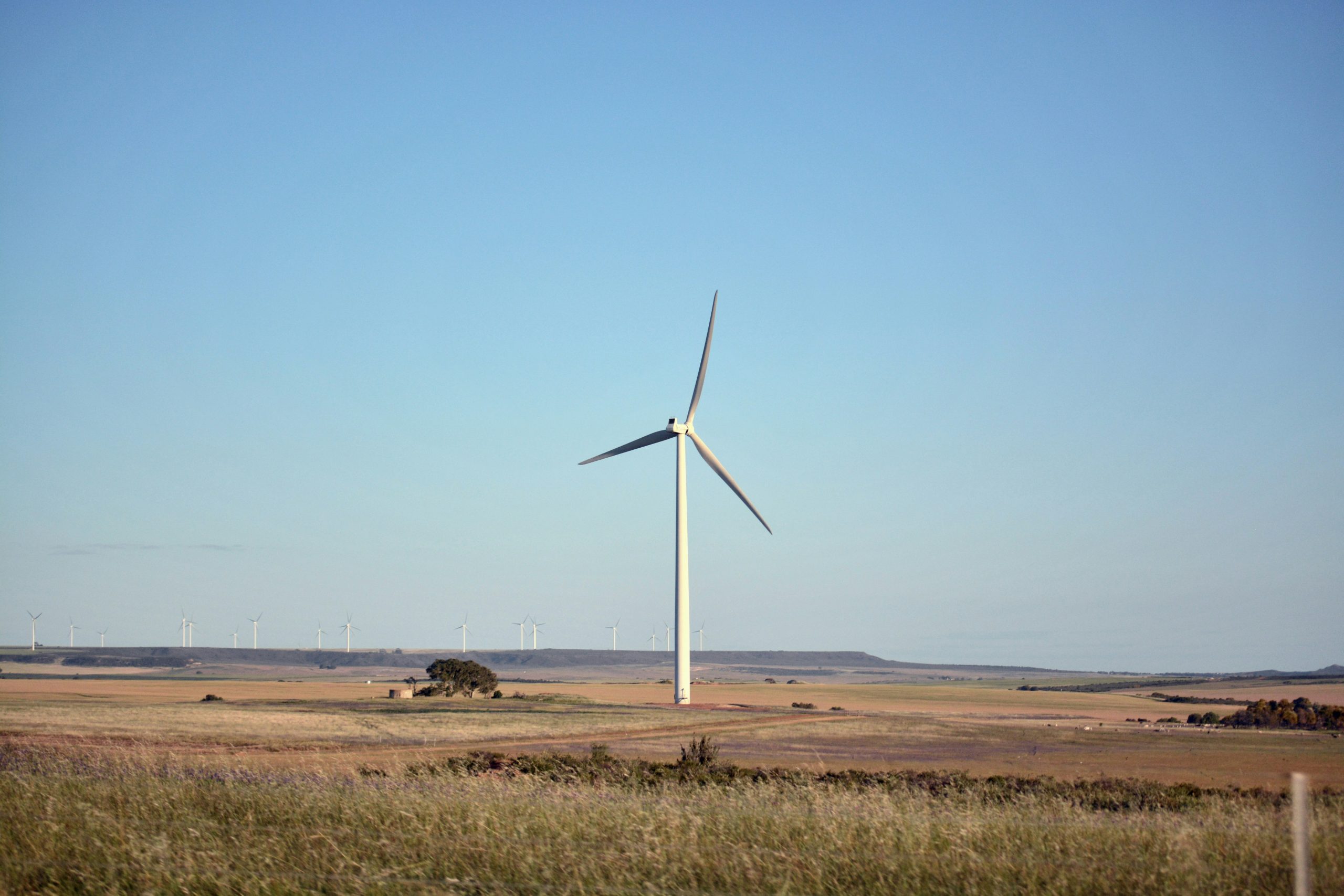
As a Section 17 tribal business of the Standing Rock Sioux Tribe, SAGE Development Authority (SAGE) is building the first Indigenous owned, commercial-scale wind farm, Anpetu Wi. The wind farm will generate clean energy for the region as well as tens of millions in revenue that will go back to SAGE and the Standing Rock Nation over its 25-year lifecycle. This is in sharp contrast to the typical approach to wind farm development, where private companies lease land and reap profits.
By ensuring community ownership, SAGE will be able to direct profits toward other important community-owned infrastructure, including regenerative agriculture, household affordable energy efficiency, and language and cultural learning programs. For every dollar invested in Anpetu Wi at its earliest stages of development, more than $5 is generated in revenue to SAGE to lead these investments for the Standing Rock Nation. All of this will enable the Standing Rock Sioux Tribe to build long-term wealth in a way that is sustainable and aligns with their community’s values.
With the deployment of dollars from the Inflation Reduction Act and its Greenhouse Gas Reduction Fund (GGRF), there is a unique opportunity to mobilize billions of dollars intended to build climate resiliency in a way that also supports community ownership of assets. Private investors can come alongside this federal capital to realize this vision of community ownership.
By deploying the right capital at the right stage of development to community-owned efforts, impact investors and philanthropic funders can support value-creating, frontline-community tested solutions – as well as newer solutions that communities are looking to implement – while also shepherding more equitable economic development across racial and gender wealth gaps. Through community-owned structures, investors can meet climate targets and financial return goals, bypassing extractive developers and building restorative infrastructure.
Community ownership opportunities for shared prosperity
It’s not just Buffalo and Standing Rock. Community-owned efforts throughout the country are showing investors that:
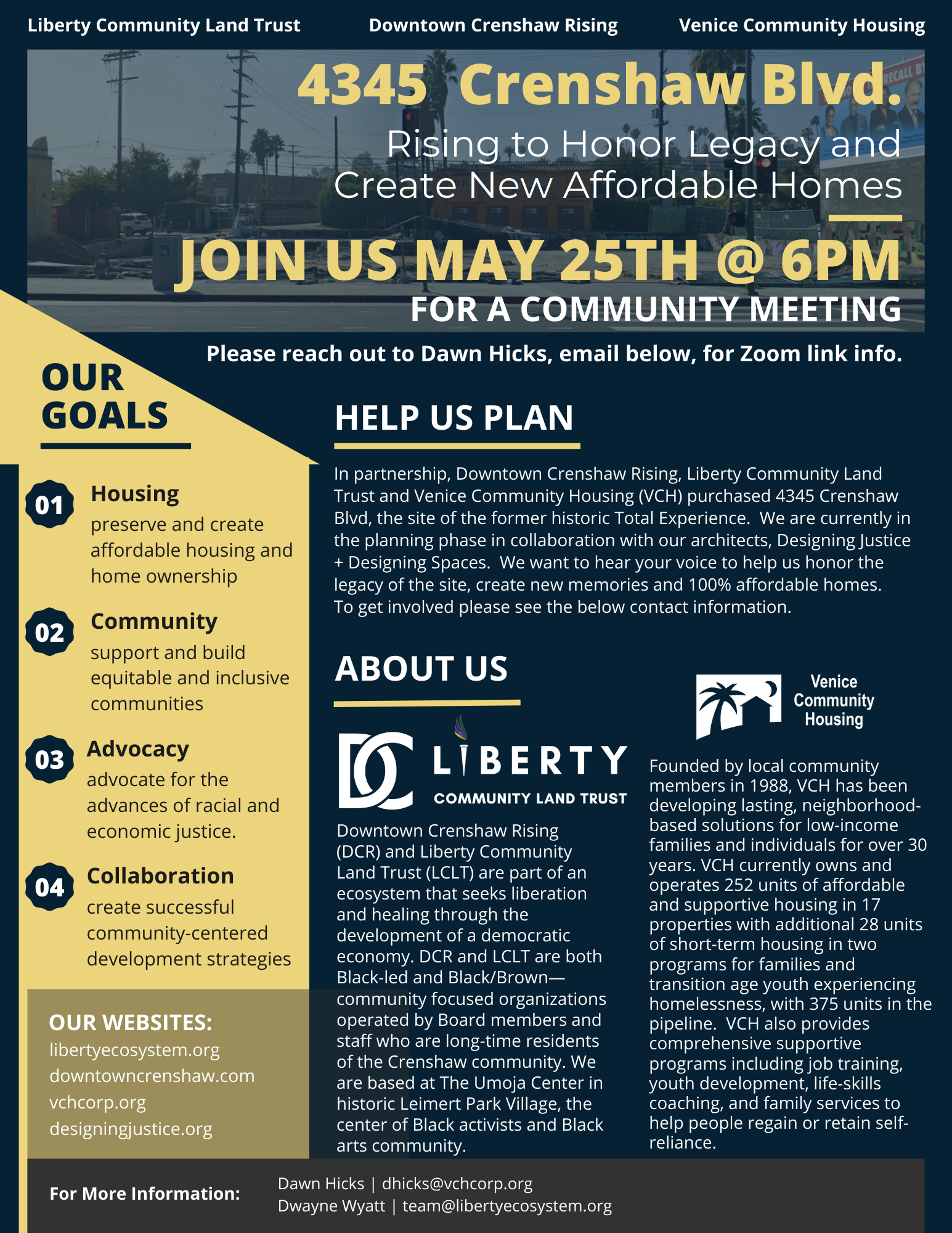
- Investments can achieve community and investor goals. In Los Angeles, Downtown Crenshaw Rising, Liberty Community Land Trust, and Venice Community Housing have purchased a historic building for conversion to affordable housing. Ownership will be shared between the developer partner and community groups and there is currently an open process to understand local priorities and needs before development progresses.
- Doing things better requires taking time and changing systems. Right now, in the understandable push to deploy funds, we run the risk of repeating old patterns, where large, shovel-ready, market-rate projects take priority over community-led efforts that are more likely to center Indigenous people and communities of color. Significant investment is needed to support locally-led solutions, particularly in places long divested of their wealth and thus lacking infrastructure to pursue public funding. Philanthropy and impact investors have a significant role to play here, and lenders must also develop strategies to ensure financing is available to support community-led efforts in years to come.
- Community ownership of assets is required to deliver on the promise of environmental investments as paths toward health, wealth, and well-being. Community Benefits Agreements and innovative fund and ownership structures are a few of the evolving approaches we can employ as we endeavor to move toward a regenerative economy. For example, California’s Imperial Valley is experiencing intense extraction of lithium – the fuel of the electric vehicle movement. Community advocates and government officials are working to determine how to retain local benefit from local resources, via tax propositions, labor agreements, or other mechanisms to ensure community benefit.
Ownership of assets allows communities to build collective wealth, retain power and control of resources and increase jobs and services that drive thriving local economies. Impact investors are well-positioned to accelerate investments in community-owned assets, including climate resiliency assets, while receiving returns. Frontline communities have unique value propositions and are creating new economic engines that have sustainability baked in.
We can use this moment, and the momentum toward community ownership of assets, to build a legacy of shared prosperity and equity by investing in ways that support instead of extract. We can build an equitable, abundant future that many generations can enjoy.
Aisha Benson is President and CEO of Nonprofit Finance Fund. Christina Hollenback is Founder and CEO of Justice Capital