It’s been a head-spinning week for awardees of the Greenhouse Gas Reduction Fund. The Environmental Protection Agency has escalated its attacks against nonprofit groups that were awarded $20 billion under the previous administration to help establish a nationwide green lending network that could reach deep into rural and underserved communities. On Tuesday, EPA chief Lee Zeldin declared he had outright terminated the program. The move came as three of the awardees had filed suit to unlock funds they say have been illegally frozen in accounts held by Citibank under a financial custody agreement.
“There’s a series of legal actions underway today as we speak and in the coming weeks, [and] we’ll use that time to address what we think is a misperception and a misrepresentation of the program, and more importantly, of the grantees in the program,” Amir Kirkwood of the Justice Climate Fund, one of eight awardees, told Sherrell Dorsey on the latest PluggedIn.
Justice Climate Fund won $940 million to deploy to a network of nonprofit community lenders. “It’s not just about the Justice Climate Fund, it’s about over 300 community lenders underneath the Justice Climate Fund that are doing amazing work all over the country,” he said. “Hopefully we will be able to get some real time in front of the EPA pretty soon and begin to reset the expectations and understanding of the program.”
While Zeldin has portrayed some of the GGRF awardees as having no track records, that could not be farther from the truth. Justice Climate Fund grew out of a group called the Community Builders of Color comprised of experienced community development financial institutions, nonprofits and developers working to achieve equitable community development across the country. The group formed Justice Climate Fund in 2023, and applied for the GGRF funding as a “purpose-built” organization.
Local roots
A key goal of the GGRF and the broader Inflation Reduction Act it is part of was to ensure that the transition to a more sustainable economy and job opportunities in growth industries are available to all Americans.
JCF operates in towns and rural areas where mainstream banking rarely ventures, Kirkwood explained. The average size of a depository bank in its network is roughly $400 million. JCF’s work to help create financial ecosystems in rural and underserved markets represents a strategic investment in untapped potential.
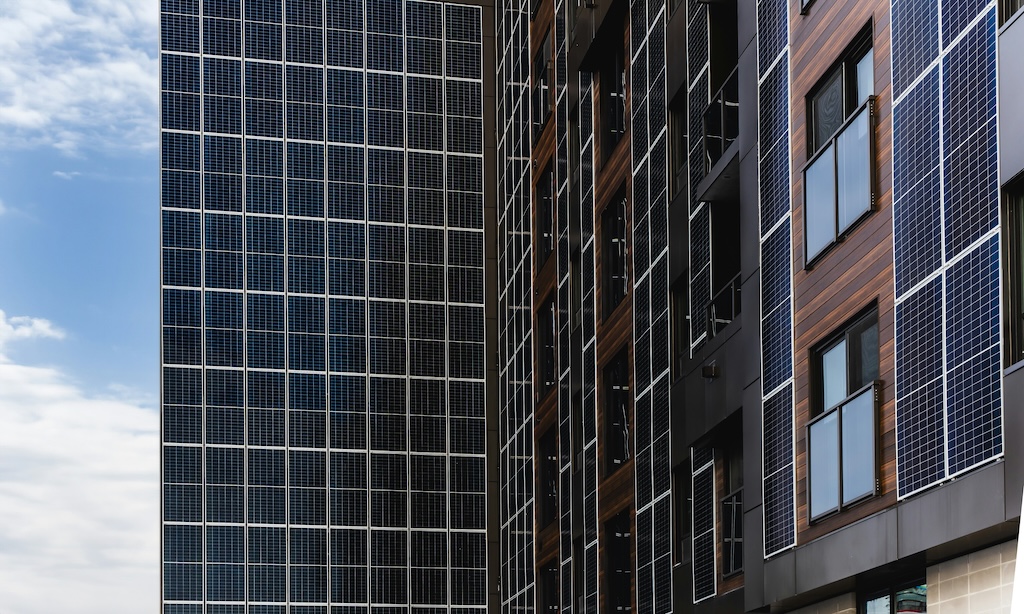
Kirkwood said the network had already developed a pipeline of projects, including solar micro-grids that can help fill energy gaps, and projects that combine solar power and agriculture.
For now, GGRF awardees are assessing what the EPAs latest moves mean. It’s not a foregone conclusion that the program will be terminated, says Kirkwood. A federal judge, for example, will hear updated arguments from Climate United, a Calvert Impact-led group, in its suit against the EPA. Climate United will argue that by terminating the grant agreement, EPA has violated its constitutional right to due process.
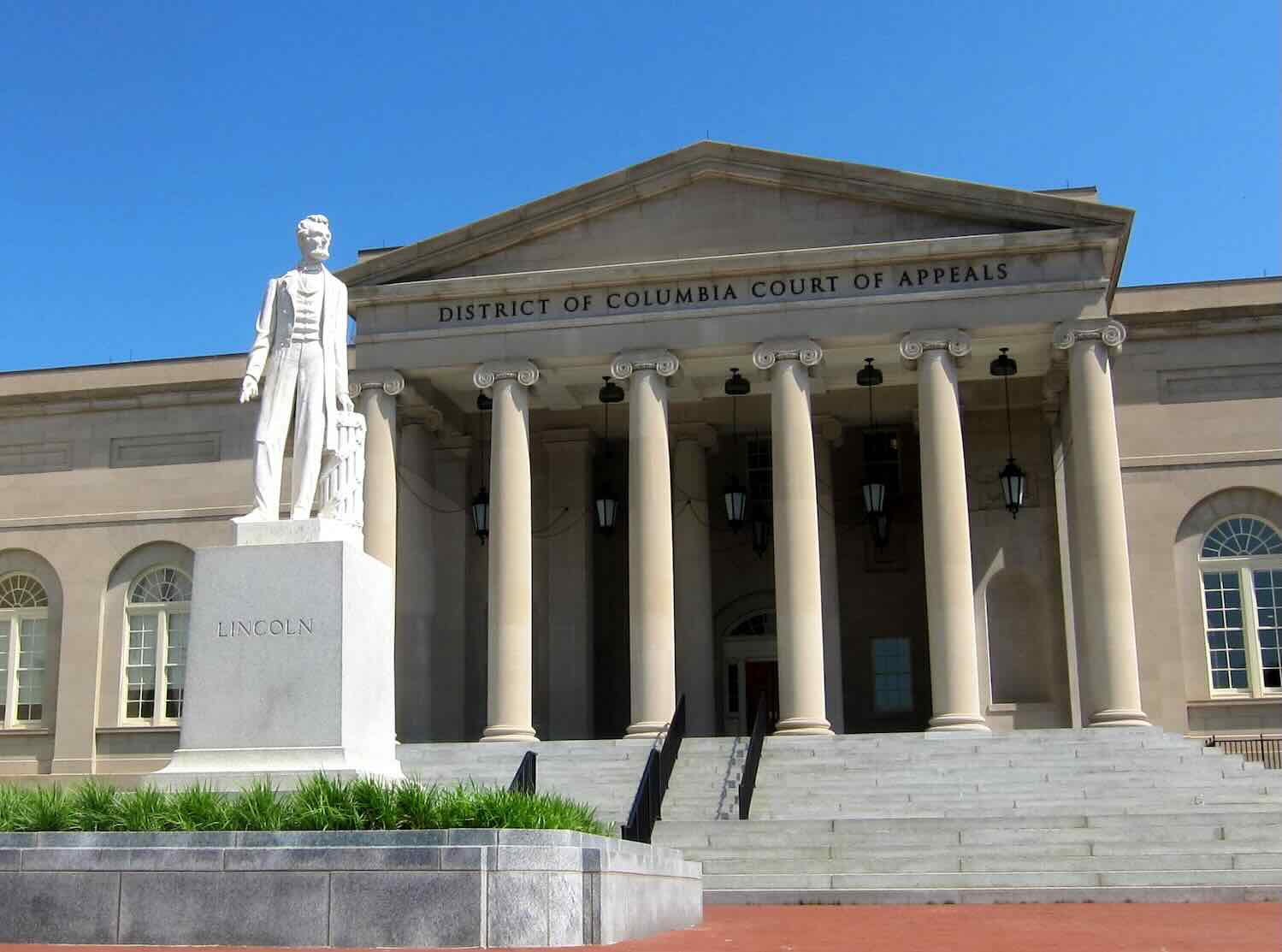
Judge Tanya Chutkan of the US District of Columbia appeared skeptical of EPA’s claims of fraud and abuse within the GGRF program at a hearing on Tuesday, ordering the agency to provide “credible evidence” to back up its claims.
The Coalition for Green Capital, a network of green banks that has $5 billion frozen, filed suit against the EPA after it terminated the grants.
Amid the turmoil, Kirkwood challenged investors to stand with Climate Justice Fund and other awardees to identify solutions. He noted that EPA also this week closed its climate justice offices. “That doesn’t change the fact that there is a climate crisis. That does not change the fact that there’s an infrastructure need crisis. That does not change the fact that money-centered capital does not necessarily flow to these communities,” he said.
“This is where impact investors and CDFIs have a great opportunity for partnership.”