
When Suzanne Biegel launched Heading for Change in 2023, her vision was clear: this was about more than moving capital for climate and gender strategies. She wanted to create a demonstration portfolio to prove that it was possible, and imperative, to advance gender and climate finance, while supporting others in where and how to move theirs for maximum impact. Suzanne envisioned Heading for Change as the infrastructure the field needed – creating tools, mapping best practices, identifying opportunities, and sharing these insights widely.
While climate and gender lens investing have grown over the past decade, opportunities at the intersection of these two themes still require focused cultivation. Without intentional efforts to expand the pipeline of investable opportunities – particularly for women and underrepresented groups – and advance the tools and best practices required to mobilize capital, transformative climate solutions risk going unrealized.
Over the past 18 months, it has been heartening to see a number of the funds we invest in embrace this same mission, embodying inclusive and gender-smart policies and practices and embedding ecosystem-building into their own approaches. These funds are doing more than deploying capital – they’re shaping environments where their investments can succeed and building the market for sustained change in the longer term.
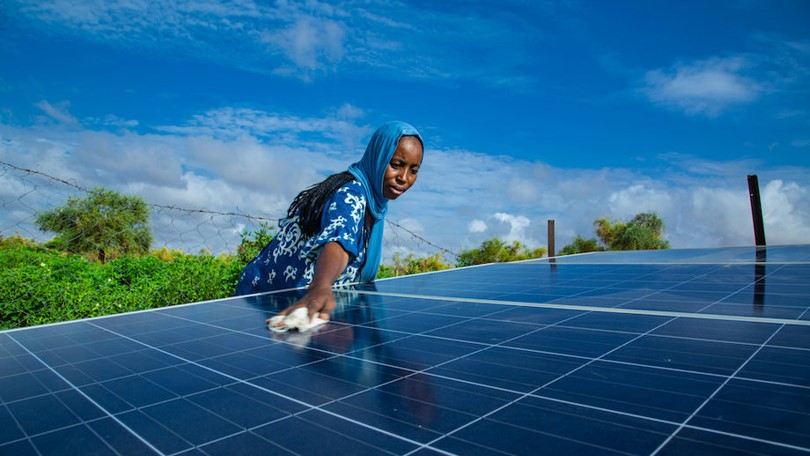
For example, Acumen’s KawiSafi Ventures, which invests in energy and climate companies in Africa, hosts pitch competitions and initiatives to surface and support female and underrepresented entrepreneurs. These efforts don’t just identify investments; they challenge biases and broaden the entrepreneurial landscape itself, ensuring that new voices and ideas have a chance to flourish.
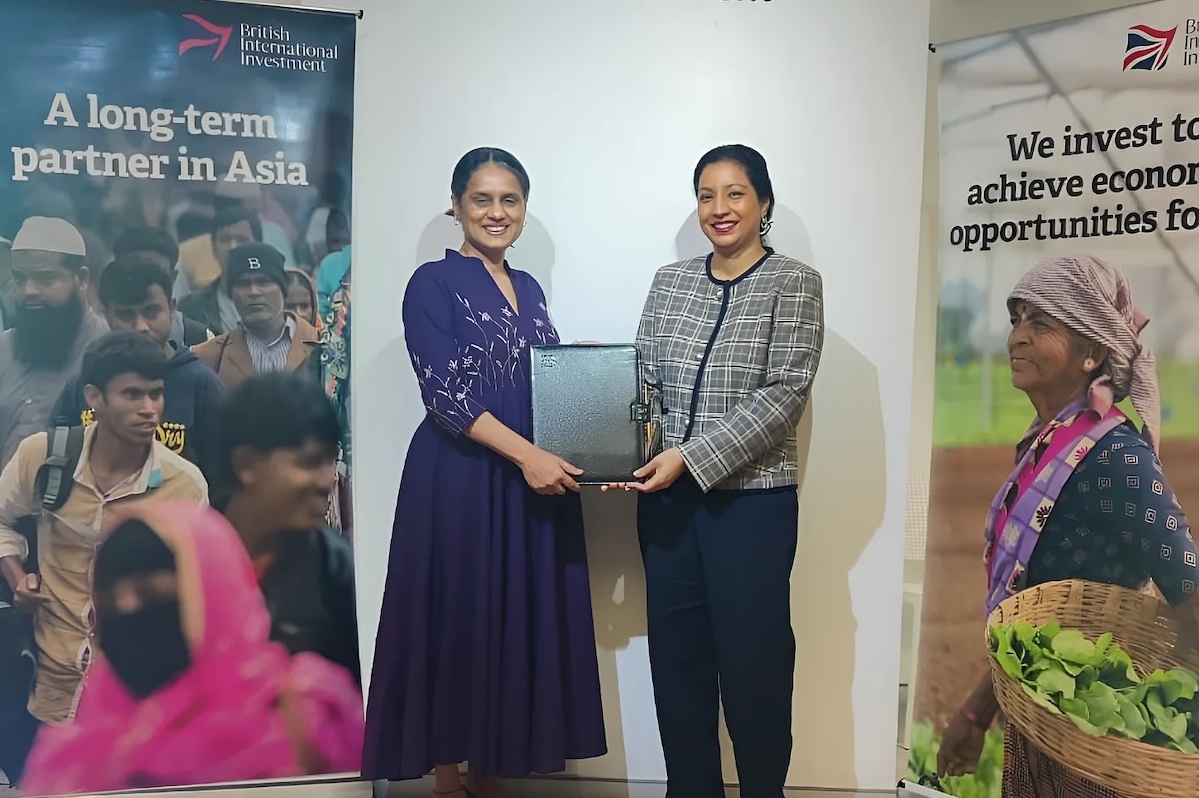
The Acumen Climate Action Pakistan Fund enhances climate resilience and tackles economic inequity by empowering smallholder farmers and fostering sustainable practices in Pakistan. Recognizing the barriers faced by smallholder farmers in the agricultural sector – and especially women – the fund is addressing ecosystem challenges through gender-forward practices by working with domain experts and international organizations. Through these partnerships, it provides entrepreneurs with the technical assistance, resources, and market access they need to thrive, demonstrating how targeted investments can drive transformation across communities.
Collaboration for systemic change
In addition to the business impact, many Heading for Change fund managers adopt a deeply values-driven approach that embraces collaboration, rooted in the belief that progress is a shared responsibility.
EcoEnterprises Fund, which invests in sustainable agriculture, land use and ecotourism in Latin America, invites its investors to portfolio visits and knowledge-sharing calls to create opportunities for shared learning. Their case studies influence broader practices, ensuring their experience informs future gender-smart and climate-conscious investments.
Unconventional Ventures takes a similarly collaborative approach by sharing best practices, fostering trust among peers and prioritizing inclusivity as they create a more interconnected and equitable investment ecosystem, which exemplifies how to shift the culture of investment itself.
The Catalyst Fund, an Africa-focused climate tech investor, enhances ecosystem building by providing venture building to its portfolio companies while fostering greater transparency for the broader investment community. Their monthly deal tracker ensures visibility into investment opportunities, breaking down barriers that often exclude underrepresented founders. By prioritizing transparency and collaboration, they open pathways for new investors and entrepreneurs to thrive.
Meanwhile, Circulate Capital has centered its entire investment thesis on ecosystem-level impact. The fund, which is focused on addressing the plastic waste crisis in Asia and Latin America, has adopted a systems-oriented strategy, bringing corporate partners into the fold and structuring its investments to align with long-term sustainability goals and drive industry-wide transformation.
Rather than viewing peers as competitors or guarding opportunities, these fund managers see their role as building a collective foundation for growth. As active agents of change, this ethos of generosity and integrity fosters trust and accelerates systemic change, setting these leaders apart from traditional fund management.
Emerging leaders
Notably, many of these examples come from emerging markets, where the absence or nascency of institutionalized systems and regulations often spurs fund managers and founders to adopt more creative and holistic approaches to problem-solving. Operating in perceived high-risk, complex environments, these fund managers tend to be ahead of the curve, demonstrating the transformative potential of ecosystem thinking in challenging contexts.
In addition to solving immediate challenges, these fund managers are often building pipelines of investments designed to grow and sustain their impact over time. This not only ensures the longevity of their own efforts but also fosters resilience and innovation across the broader ecosystem. This long-term approach lays the groundwork for systemic change, enabling climate and gender investment to flourish well into the future.
These systems-level strategies demonstrate how ecosystem thinking can unlock innovative solutions to deeply rooted challenges. Mobilizing additional capital and engaging the full spectrum of stakeholders is critical to unlock the full potential of gender and climate-smart investing.
Ingredients for change
Given the multi-faceted nature of social, ecological challenges, it makes sense that solutions and funding options require multi-dimensional and intersectional approaches. Key opportunities for amplifying the reach and effectiveness of investments and driving sustainable, long-term change include:
Field building. Expanding the pool of investable opportunities, providing technical support, valuing local knowledge and providing catalytic capital to field building initiatives led by fund managers and founders in perceived high-risk, emerging market contexts is essential. It’s not about fixing the founders or fund managers but about investors engaging more deeply with the ecosystems within which they operate to unlock opportunities and amplify impact beyond the reach of their own portfolios.
Furthermore, the work these fund managers are doing to tackle systemic barriers and build the market needs to be better accounted for during due diligence, risk assessment and investment value. Building the field requires funding the field building.
Introspection and awareness. Investors need to keep doing the deeper work around enhancing their awareness of how regional and context-specific systemic inequities, biases, challenges and gaps play out. Conducting power and gender analyses throughout the investment lifecycle can help reduce biases in decision making and foster authentic and collaborative partnerships with investees.
Collective stewardship. By embedding themselves in the systems they seek to change, investors can drive outcomes that are not only measurable but deeply meaningful, paving the way for a more equitable and sustainable world. Supporting founders and fund managers who are deeply immersed in ecosystem development work also signals the importance of systemic and intersectional approaches to other investors. While individual investors’ theories of change may differ, building regenerative investment approaches prioritize long-term sustainability, inclusivity and partnership.
These uncertain global times are when the impact investing community needs to double down on building the field and delivering impactful capital. The ecosystem investing approach is not just a strategy; it’s a call to action. Investors who step into their role as system builders can magnify their impact – unlocking solutions that drive equity, resilience, and sustainability on a global scale.
Natalie Shriber is head of investments and Sana Kapadia is chief catalyst at Heading for Change.