
As Africa works to mobilize over $2 trillion in domestic pension assets to help close the continent’s multi-hundred-billion-dollar infrastructure investment gap, the question is no longer whether the African investment opportunity exists, but who will seize it.
Despite improved fundamentals, African governments still pay an average 2.9 percentage-point premium in borrowing costs over equally rated peers, driven not by actual risk but by entrenched perception bias. At ARM-Harith — a leading Pan-African fund manager focused on infrastructure development — we see both the opportunity and the persistent pricing gap every day, and we have developed tools and platforms accordingly. Our experience shows that data helps challenge perception, but it is consistent delivery and clear structures that ultimately build investor confidence.
The first step in combating the narrative is acknowledging that Africa is not uniquely risky. Default rates on African infrastructure projects are significantly lower than those in other emerging markets. According to Moody’s Analytics, the loss rate on African infrastructure debt over 14 years was 1.7%, compared to 13% in Latin America and 10% in Eastern Europe. The downstream effects of high borrowing costs have not slowed private infrastructure and energy investors; however, private equity performance in Africa is competitive with other emerging markets and outperforms some developed peers when adjusted for volatility.
A parallel for the continent’s trajectory in many respects is Southeast Asia. In the 1970s, countries such as South Korea and Vietnam were predominantly agrarian and heavily reliant on aid. Today, a similar development trajectory — driven by industrialization, export discipline and human capital — is unfolding across African economies such as Ethiopia, Ghana and Rwanda. Technological leapfrogging is enabling service-led growth and allowing African countries to forge their own industrial paths, focused on digital infrastructure, mobile banking and AI.
Building confidence through smart structuring
The African Development Bank estimates that the continent needs $68–$108 billion annually for infrastructure. Pension funds are one of the most underutilized sources of long-term capital for infrastructure development in Africa. Yet they cannot invest without vehicles that fit their mandates. Fund managers like ARM-Harith are building vehicles designed to attract and deploy these sizable pools of capital efficiently.
African pension funds are mobilizing, bringing domestic capital flows to funds, with Nigerian, South African, and Kenyan pensions making direct infrastructure investments and participating in pooled platforms. We use local-currency tranches to reduce FX exposure and embed tariff indexation to protect cash flows in many of our transactions. These structures have reduced exposure to currency volatility and improved bankability across our portfolio, tangible evidence that disciplined structuring lowers perceived risk. This is critical in markets like Nigeria where 79% of Nigeria’s international climate finance was in the form of debt, nearly half on non-concessional terms. Therefore, expanding local currency financing (including via domestic pension funds) is key to reducing borrowing costs.
We’ve also collaborated with partners such as FSD Africa to develop structures that specifically alleviate pension funds’ concerns when it comes to early liquidity, allowing pension funds to receive predictable distributions even in the early years of an infrastructure fund. After we put this structure in place, local pension funds have committed to invest five times more with us than they did in our first fund.
Performance over perception
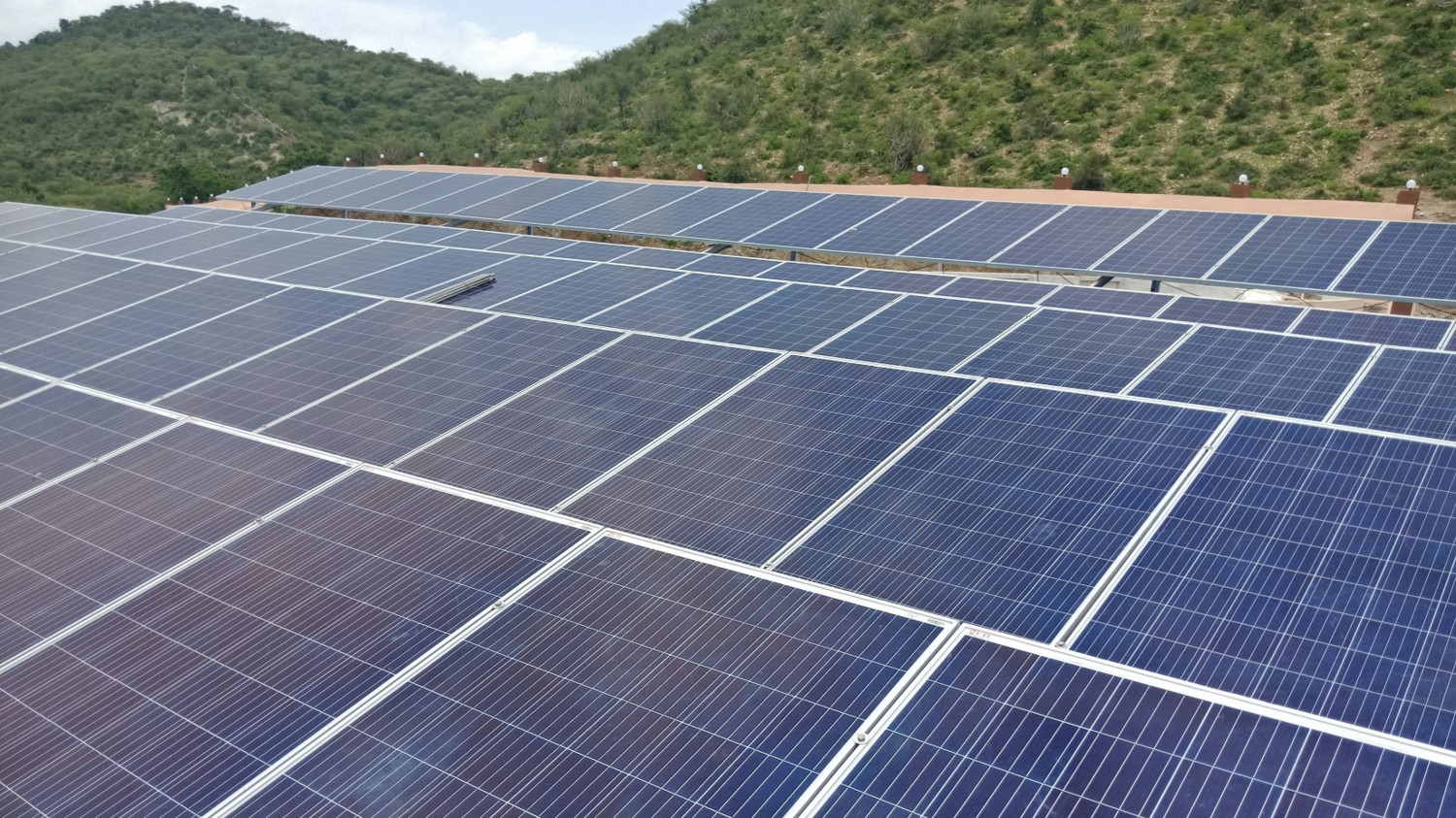
One of ARM-Harith’s key innovations to reduce risk and attract institutional capital is the Africa Distributed Power Platform. It aggregates smaller, high-quality, distributed renewable energy projects into standardized, investment-ready portfolios. In doing so it creates scale, lowers transaction costs and ensures consistent technical, financial and ESG standards across assets. By turning fragmented opportunities into bankable portfolios, the platform demonstrates how aggregation can unlock a new class of infrastructure investments in Africa’s energy transition.
We also have a similar vehicle for mid-market solar projects called Elektron Power Infracom. This unique vehicle develops larger scale solar and gas projects from the ground up by working with project promoters to secure creditworthy industrial offtakers to ensure the bankability of solar projects from day one. This approach enables us to build 5MW+ solar projects that deliver for offtakers, reduce emissions and generate steady returns. This is an example of how African PE firms can get “hands-on” with project development in a way that reduces risk and creates clear bankability from day one.
Each transaction completed through platforms like these becomes part of a growing body of evidence that challenges perception through performance. Predictable cash flows, transparent structures, and repeatable results do more to reshape investor confidence than any narrative alone.
As local-currency and blended-finance deals accumulate, the so-called “Africa risk premium” begins to narrow, replaced by data and delivery. Institutional investors that engage early — partnering with those already proving the model — will capture both yield and long-term strategic advantage. Those who wait will pay the cost twice: first in missed returns, and later in crowded entry.
Rachel More-Oshodi is the CEO of ARM-Harith.
Guest posts on ImpactAlpha represent the opinions of their authors, and do not necessarily reflect the views of ImpactAlpha.