
A new financial product is available for impact-first investors who want a simple way to support local ventures in challenging markets (see also, “Trimtab’s unapologetic pitch to wealthy families seeking outperformance – on impact”).
Bethesda-based Total Impact Capital has issued its first five-year, 5% Total Impact Notes to back loans to fund managers including LocFund, NESsT’s Lirio Fund, and the Elu Women’s Empowerment Fund, all of which provide capital to ventures in Latin America and the Caribbean, and Nithio, which supports climate adaptation solutions in Africa. The fixed-income notes raised $3 million from purchasers, including Mercy Investment Services, Netri Foundation and the Franciscan Sisters of Mary.
“In a world where we need to step up to address the decline in donor funding for development, the notes offer a mechanism for impact investors to do so without an undue expenditure of effort,” said Total Impact’s John Simon. The notes pool loans to “provide impact-first investors with a diversified, fixed income product aligned with the Sustainable Development Goals.”
Access to capital
Pooled vehicles such as the Total Impact Notes that streamline the deployment of capital can also make borrowing easier for impact fund managers. Simon told ImpactAlpha that the notes “provide a less costly and onerous mechanism for high-impact intermediaries in the developing world to access impact-first capital.”
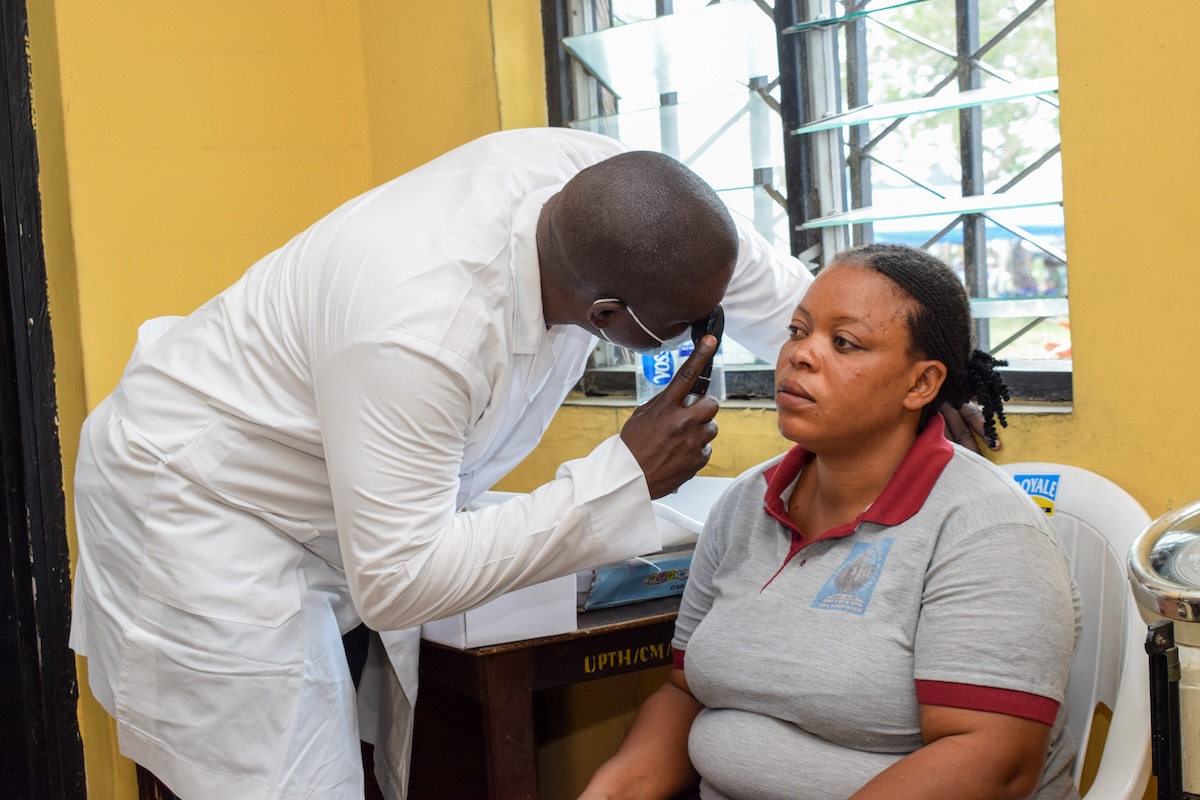
Total Impact has developed other investment vehicles for emerging markets, including the Medical Credit Fund, Azure Source Capital, the Transform Health Fund and the Female Entrepreneurship Fund. The Medical Credit Fund since 2009 has made loans of more than $135.5 million to help some 6,500 privately-run clinics in Africa add equipment and facilities.
The new notes, Simon says, provide borrowers “access to affordable capital through a standardized, streamlined process that reduces transaction costs.” Other buyers of the notes include the W. O’Neil Foundation, Dunn Family Charitable Foundation, Austin Community Foundation (advised by CapShift), 3rd Creek Investments and the Ansara Family Fund.
The $3 million raise, Simon said, is “a bit short of what we hoped, but enough to get started.”