
Washington, DC-based Fibers Fund provided a low-interest, three-year loan to Renaissance Fiber, which uses an environmentally-friendly degumming process to convert raw hemp fiber into textile fiber. Invest Appalachia provided a recoverable grant from its catalytic capital pool (see, “Invest Appalachia closes $35.5 million for place-based impact in Central Appalachia”).
Renaissance Fiber, in turn, leveraged the investments to qualify for working capital for small manufacturers from the US Small Business Administration. The fresh injection of capital will enable the North Carolina company to buy raw hemp fiber from growers and ramp its production to meet growing demand from local mills and other buyers.
“By working directly with our regional farmers and processing fiber right here in North Carolina, we’re keeping value in the community at every step of the chain,” said Renaissance Fiber’s Daniel Yoannes. “That means real, lasting impact for the people of this region.”
Hemp economy
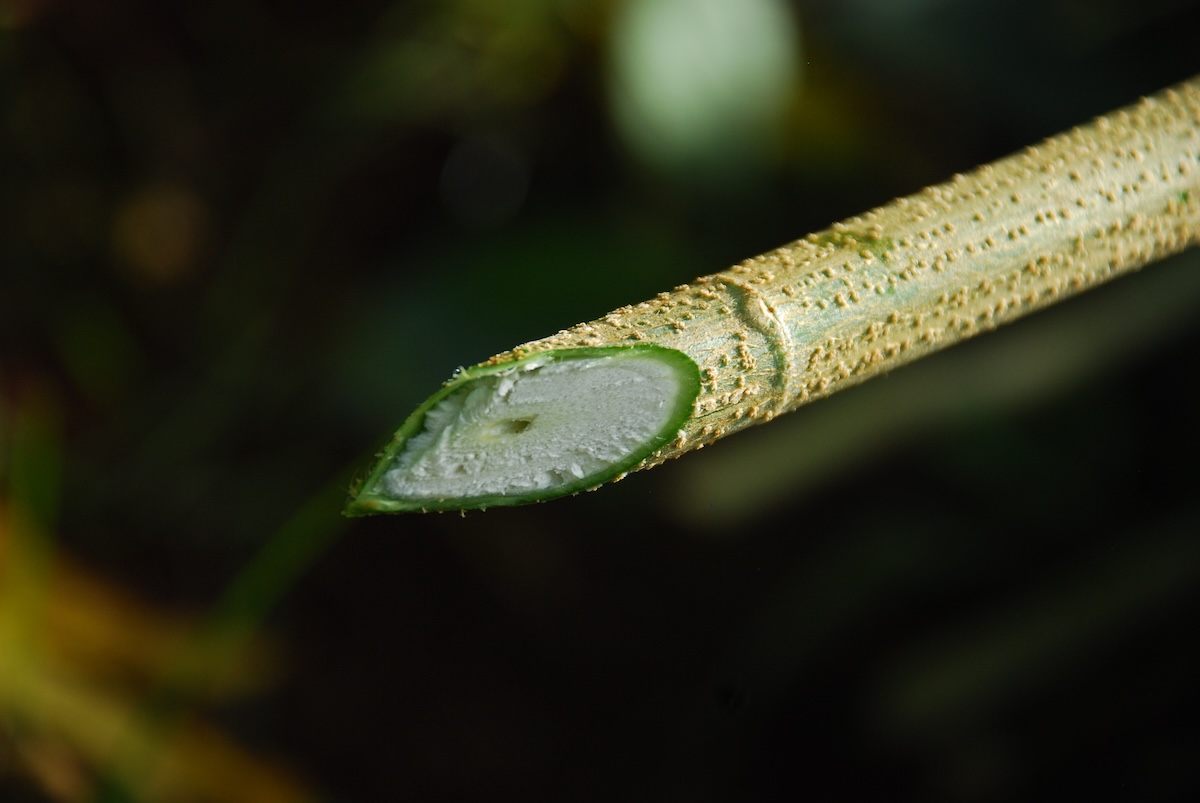
Hemp fiber, stripped from the outer layer of a hemp plant’s stalk, outperforms cotton and synthetic polyester not just on sustainability, but also on durability, breathability and strength. Renaissance says its hemp fiber can be used to make yarns. The company’s degumming technology uses less water and energy than other fiber processing and production, which uses harmful petroleum-based synthetics.
“It’s just as important to us that the revitalization of this traditional fiber is a huge opportunity to support community revitalization and build local wealth,” Fibers Fund’s Sarah Kelley told ImpactAlpha. Fibers Fund has backed several Indigenous-led hemp projects, including Winona’s Hemp and Heritage Farm in Osage, Minnesota.