How is investing in climate projects in emerging markets in the 2020s like buying distressed corporate debt in the 1990s?
Craig Cogut, a co-founder of Apollo Global Management, which rose to prominence 30 years ago by snapping up high-yield bonds from failed savings and loans and insurance companies, is trying for a repeat with clean energy, waste management and water resilience, particularly in Africa.
At Pegasus Capital Advisors, Cogut is still striving to be a contrarian, again embracing complexity and risk perceptions that scare away many other investors. Like Apollo, Pegasus looks for orphaned assets, with the additional lens of social impact and environmental sustainability.
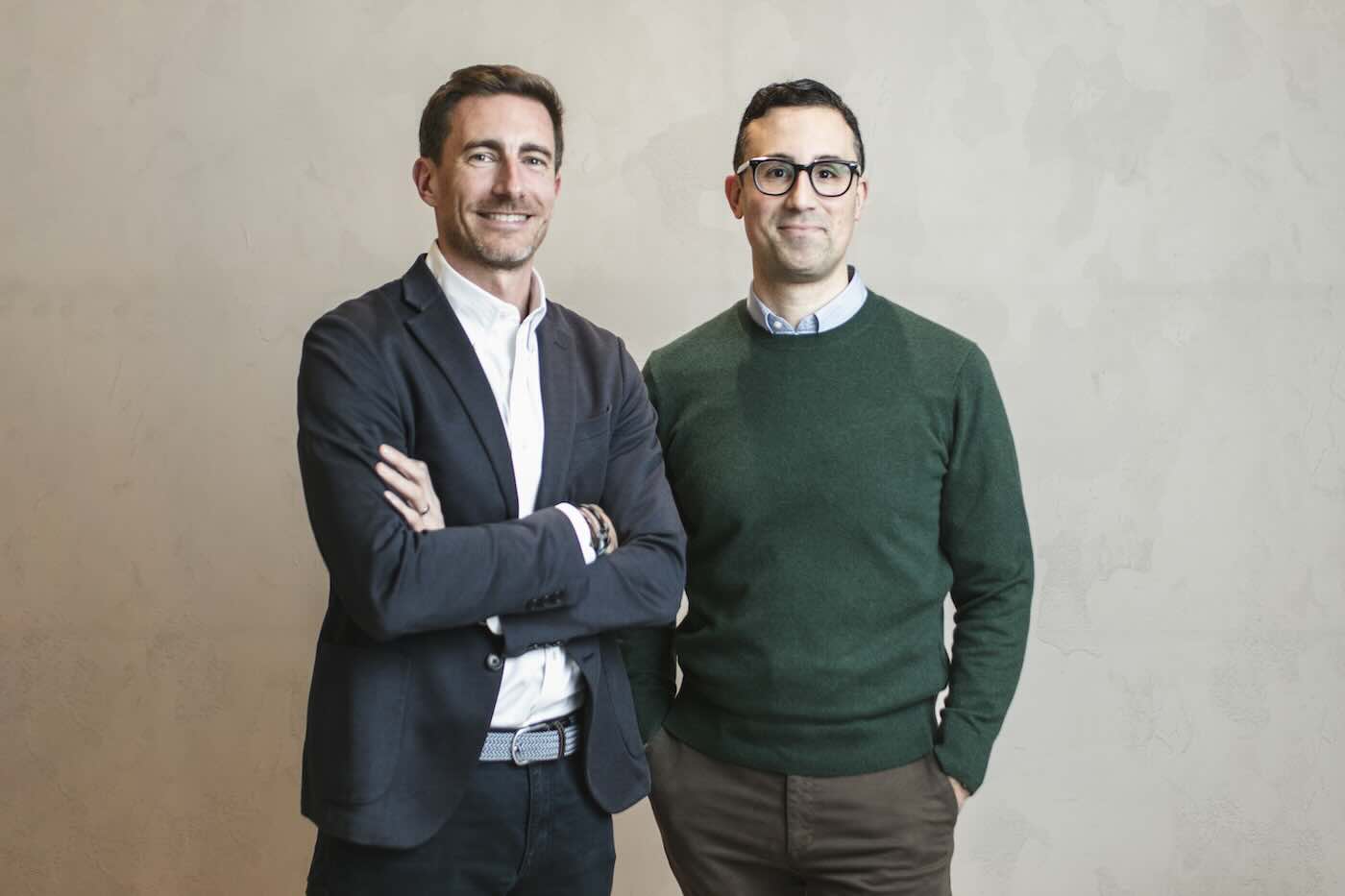
“We’ve applied the same approach—creating funds that let investors lean into underinvested emerging markets while structuring their risk,” says David Cogut, Pegasus’s co-managing partner and Craig’s son.
“Risk exists in every market, but unfamiliar investors can view emerging markets as especially risky, which softens valuations. The perception arbitrage is our opportunity.”
In Morocco, for example, Pegasus announced today that it has helped one of its investees, Ifria Cold Chain Development Company, acquire Lotraf, a logistics company based in Mohammedia. Lotraf has warehouses for frozen, chilled, and ambient storage to help keep food fresh, extend shelf life, and strengthen food supply chains. Ifria aims to reduce food waste, boost farmers incomes, and build local economies.
Pegasus made the most recent investment through its Subnational Climate Fund, which is seeking to raise $750 million for mid-sized sustainable infrastructure projects, including energy, waste and regenerative agriculture. The fund has a $150 million first loss tranche from the Green Climate Fund, the UN-backed catalytic climate funder based in Seoul, South Korea. Pegasus was one of the first private equity funds to receive certification from the Green Climate Fund. The subnational fund also taps a grant-funded technical assistance facility managed by the International Union for Conservation of Nature.
Pegasus also has a partnership agreement with the United Nations Development Program to finance projects identified by local governments.
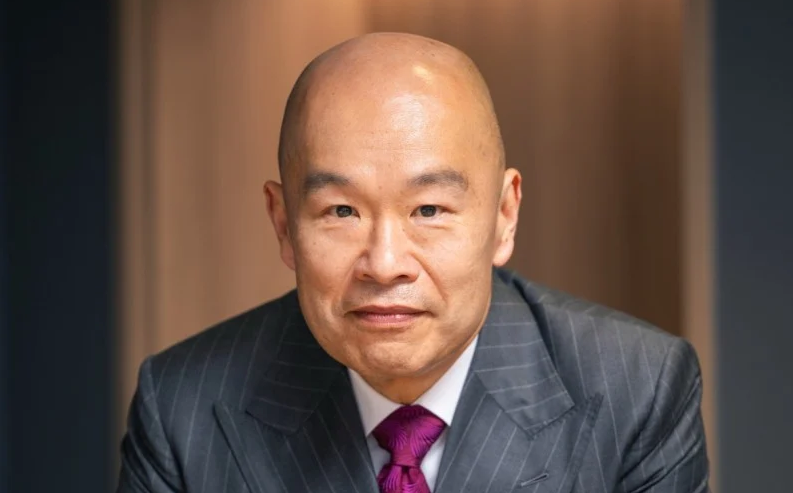
Doubling down on private equity talent, Pegasus this month added as a senior operating advisor Jean Rogers, most recently with Blackstone. Rogers will serve on the investment committee of both the Subnational Climate Fund and Pegasus’ Global Fund for Coral Reefs, which has raised more than $250 million in grant and equity commitments against its $750 million target. Commitments to the commercial fund include Minderoo Foundation and Builders Vision, which also committed to the grant fund. Japanese food and biotech corporation Ajinomoto Co. invested USD 20 million (around 3 billion yen) in the subnational fund in April.
Rogers joins other Pegasus advisors, including Gina McCarthy, who headed the Environmental Protection Agency under President Obama, and served as a climate advisor in the Biden administration.
Rogers earlier founded the Sustainable Accounting Standards Board, or SASB, now part of International Sustainability Standards Board, which defined material risk factors for a variety of industries with the aim of simplifying sustainability reporting.
Rogers told ImpactAlpha that her experience on the investment committee for Blackstone’s private equity and private credit funds is “a great foundation for driving impact in emerging markets, which is really where the energy transition is happening.”
Pegasus is counting on something like 75% of global energy demand to be in emerging and developing countries by 2050.
“What’s interesting now is that, relatively speaking, emerging markets look more attractive and look like diversification that institutional investors want exposure to.”
Below B+
Pegasus, founded in 1996, has leaned into both climate solutions and emerging markets, particularly since it received certification from the Green Climate Fund in 2018. The UN-backed facility approved up to $150 million as a junior tranche of first-loss capital to help Pegasus attract up to $600 million in more commercial capital.
The risk mitigation helps make the Subnational Climate Fund acceptable to institutional investors, many of which won’t touch investments in countries with Moody’s ratings below B+ – a category that includes three-quarters of all emerging markets.
Pegasus’s blended-finance fund structure can thus provide exposure to projects and companies such institutional investors would otherwise not have access to.
The funds, says Rogers, “are attractive to a broad range of investors, including the pension funds that typically don’t go into emerging markets.
Emerging market risks, or at least the perception of them, have only grown with volatile interest rate and currency fluctuations as well as trade wars sparked by President Trump’s chaotic tariff pronouncements, which have roiled supply chains and tanked certain projects. Cogut said, “There are compelling orphaned deals.”
“Geopolitical issues in the developed world can have knock-on effects in emerging markets, which compound the investment opportunity that we originally identified with our funds.”
Big Latin American markets, such as Brazil, Mexico and Chile present attractive opportunities, Cogut said, as does Indonesia. “We’re also seeing some very interesting opportunities in the African continent.”
Currency risks, likewise, are often poorly understood. This week’s deal in Morocco, for example, is only partially exposed to currency fluctuations because of Morocco’s policy of tying its national currency, the dirham, to a basket of currencies, including the dollar and euro. Morocco is moving to loosen that peg.
“We determine where currency risk or political risk actually exists,” Cogut said. “We do the work to understand the history and credit worthiness of counterparties and the strength of contracts and regulations at the most local levels.”