
A lot has changed in the 14 years since the first pay-for-success social impact bond. Clunky, time-consuming deals that layer commercial, philanthropic and public capital to level up social impact projects are out. In are “outcomes-based” blended-finance funds that can efficiently usher capital to community-driven initiatives.
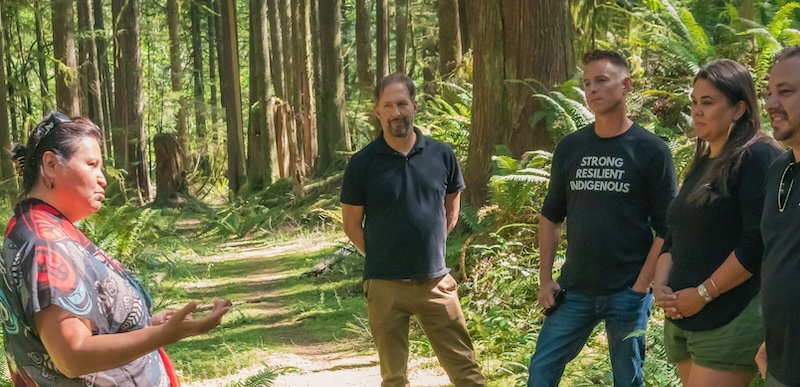
ImpactAlpha has learned that Canada-based Raven Group reached a $20.4 million first-close for its first Indigenous Outcomes Fund. The fund partners with Indigenous communities in the US and Canada on climate and health-focused projects, like renewable energy access and diabetes care.
New York-based Maycomb Capital is raising its second Community Outcomes Fund, with a target of $100 million, to provide working capital to organizations contracted by government agencies for early childhood development, workforce development and health equity interventions.
Globally-focused funds include OutcomesX’s “outcomes marketplace,” Roots of Impact’s and iGravity’s Impact-Linked Finance Fund, and UBS Optimus Foundation’s and Bridges Outcomes Partnerships’ joint SDG Outcomes Fund.
Beyond social impact bonds
Early versions of outcomes-based financing were known for their complexity and time-consuming deal structuring. It could take 18 months or more to get term sheets signed for social impact bonds, or SIBs, for recidivism reduction, family services support or housing the homeless. The cumbersome process and mixed success inhibited the scalability of the approach.
Social Finance, one of SIBs’ earliest champions and arrangers, adapted the model for a fund focused on workforce upskilling. It’s partnering with the state of Massachusetts on a fund for green workforce development.
Community-aligned
Communities should be in the drivers’ seat, rather than investors or public agencies, Raven’s Jeff Cyr argues in an article with Dalberg’s Uldall-Poulsen. Outcomes-based finance “offers an opportunity to ensure that the programs reflect the cultural practices and values that shape individual behavior.”
In Raven’s fund, which uses the familiar LP/GP structure, communities choose the issues to address, suitable interventions and outcome targets. Raven sets up what it calls a community-driven outcomes contract and funds two- to three-year interventions. Raven’s fund gets repaid by governmental “off-takers” based on successful outcomes, such as dietary changes for diabetes patients.
Investing in health
Both Raven and Maycomb are targeting community-led health initiatives, a theme in outcome-based finance because of their positive effects on community and economic well being. The first deal on OutcomesX, a “marketplace” that allows organizations to sell guarantees of their projects’ success to philanthropic backers and investors, focuses on the mental health of Ukrainian children.