Peru is a small country. Businesses rarely target low-income customers. And investing with a “gender lens” has somehow fallen out of fashion in some circles.
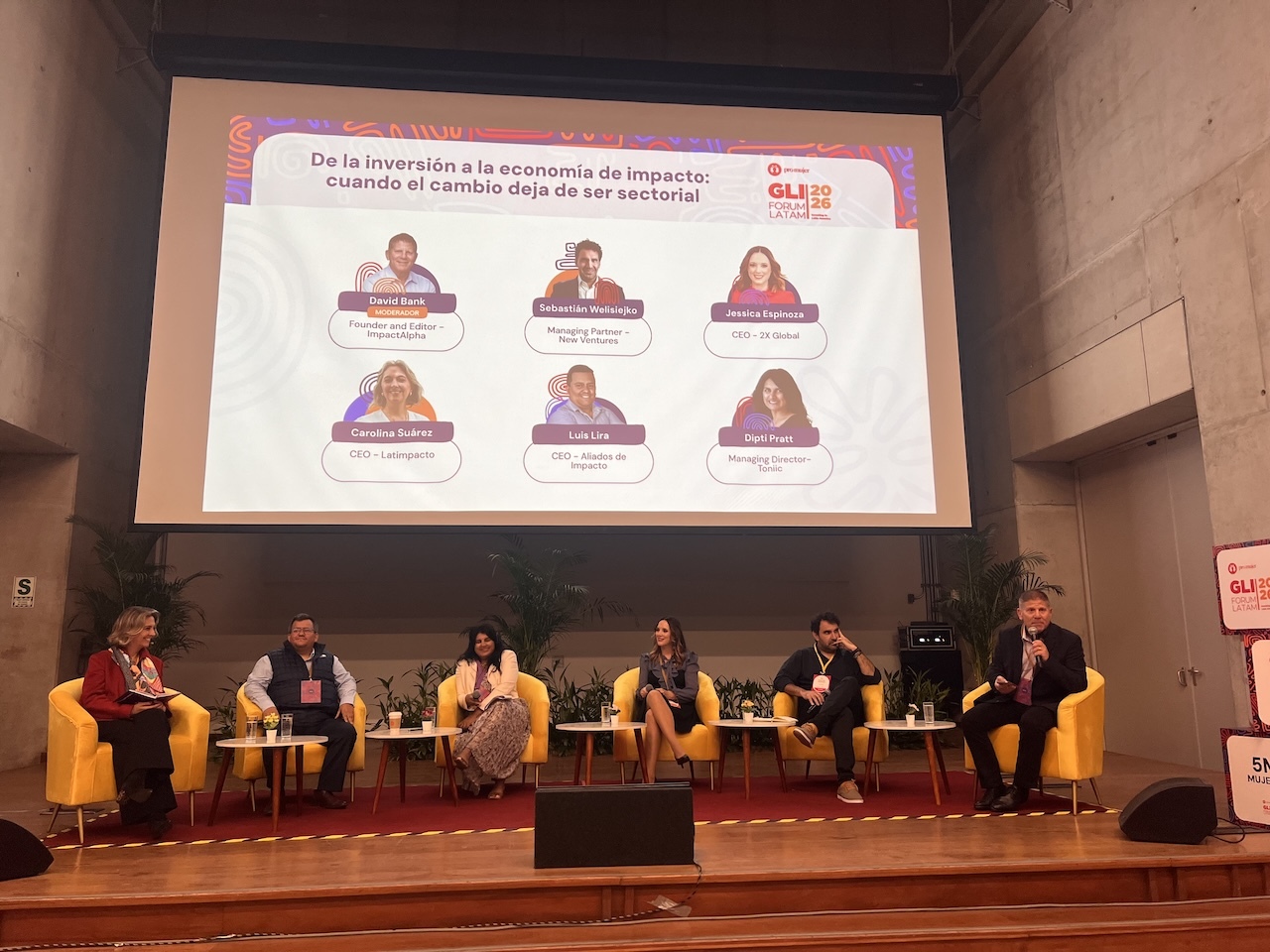
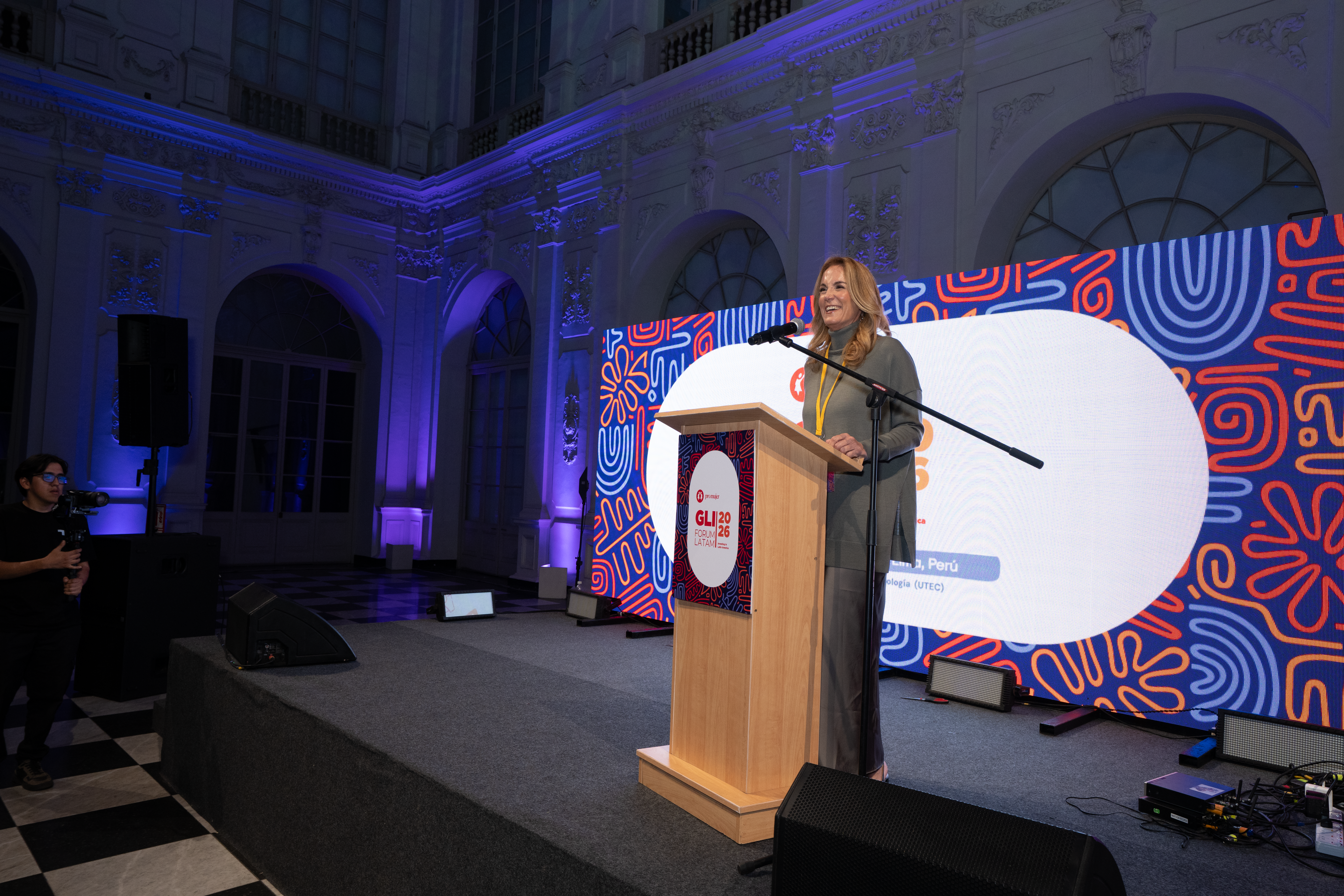
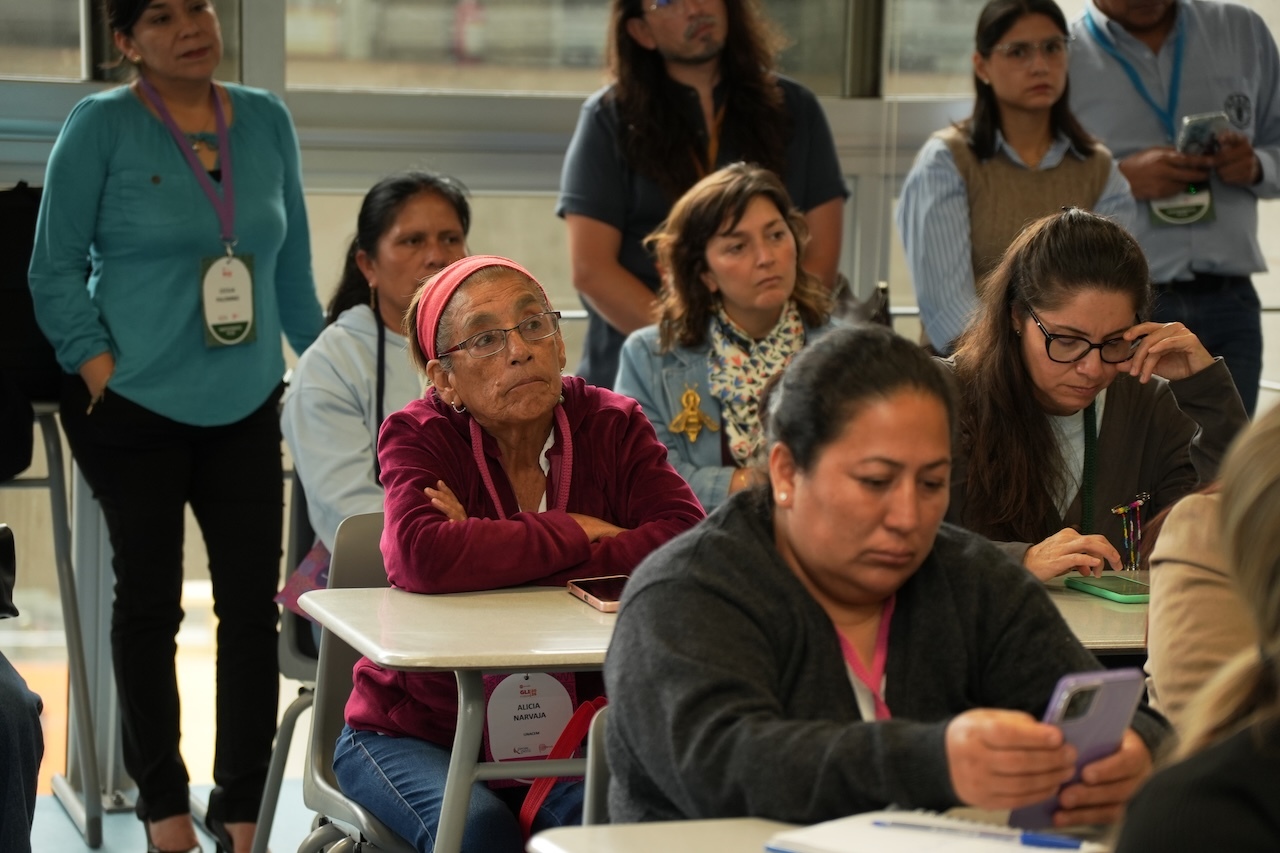
Yet, more than 1,000 practitioners from more than two dozen countries – call them agentes de impacto – convened in Lima last week at Pro Mujer’s GLI Forum LatAm to forge partnerships and reassert the primacy of their project: building just, inclusive and regenerative local economies, with women at the center.
The GLI (for gender-lens investing) forum demonstrated the resilience of impact investing ecosystems in the face of political headwinds and global volatility. Ventures that meet the basic needs of local populations are largely insulated from, and uncorrelated with, global capital markets. Small loans to rural women to build local businesses can co-exist with stratospheric IPOs for global AI juggernauts.
“We actually see it as a market opportunity for these companies, because low-income people in Latin America are a huge mass that is underserved,” said Maria Pia Morante of ALIVE Ventures, an impact fund manager with a focus on Peru, Colombia and the Andean region. ALIVE recently closed its second fund, at $55 million, to invest in companies that leverage technology to improve the lives of low-income customers.
ALIVE’s portfolio company, Creditú, for example, provides mortgages for low-income families, with a technology-based credit-scoring adapted to the needs of informal workers. Creditú says it’s able to reach customers traditional lenders exclude, and approve loans nearly four times faster. More than half of its borrowers are women. The company, based in Santiago, Chile, is expanding to Peru and Brazil.
“Women are disproportionately affected by poverty,” Morante told ImpactAlpha. “So if we want to invest in this segment of the population, we need to be cognizant and we need to have a gender lens, otherwise we will perpetuate bias.”
The United Nations has designated 2026 as the International Year of the Woman Farmer. Pro Mujer, founded 36 years ago as a microfinance institution specifically to serve rural women, may get some attention during the upcoming FIFA World Cup. Visa selected Pro Mujer’s operations in Mexico for one of three Tap In to Impact grants of $200,000 to support entrepreneurs, small businesses, and local economic development efforts in the tournament’s host countries.
In an on-stage dialogue, Pro Mujer co-founder Carmen Velasco reminded current CEO Carmen Correa of the organization’s four cardinal rules: focus on low-income populations; make sure four out of five borrowers are women; retain the organization’s nonprofit character; and reinvest any surpluses for the benefit of clients.
“The need is still there. Few organizations are still working with this population,” Velasco said. “We may need a century to end inequality, but Pro Mujer can accelerate this if we meet the needs of clients.”
Local market
The most valuable startup company in Peru is worth perhaps $100 million, several orders of magnitude smaller than the trillion-dollar “kilocorns” coming to market in the United States. That can make financial comparisons in Peru more favorable to impact investments.
“We don’t have unicorns here in Peru in the startup ecosystem, so investing in impact investing is not going to feel so odd and afar from what regular investors are used to right now,” says Luis Lira of Aliados de Impacto, the national advisory board that brings Peru’s impact investors together with policymakers and corporate leaders. “The regular traditional capital environment is a little bit stagnated which gives an opportunity for impact investments to rise. There’s capital flowing and they need to connect with entrepreneurs.”
Peru’s economy has been growing by about 3.5% a year, driven by strong domestic demand. Lira says corporate leaders are increasingly aware of the need to bring the country’s low-income population – more than one in four Peruvians live in poverty – into economic prosperity.
“‘We cannot have successful companies in failing countries,’” Lira said a CEO in Peru told him. “So that’s what we want to do. We want to work with corporations to help Peru succeed. We believe that impact investing is the way that private companies that are growing fast in the Peruvian ecosystem can commit in order to help develop a country that is in need.”
Lira, a former venture capital investor, returned to school to earn an MBA from UC Berkeley’s Haas School of Business. “Discovering the blended finance opportunities to derisk investments just blew my mind,” he recalls. “That made me realize that if we can promote these types of learnings and tools for other investors, then the private sector can get more involved in solving social and environmental problems for the people in Peru.”
That path leads directly to women, and to gender-lens investing. “Working with women is one of the most important things that we can do here in Peru,” Lira said. “Families in the highlands of Peru are led by women, so in order for us to help these families develop, we need to invest in women.
“The work that Pro Mujer has been doing for the past 30 years in Peru is something we have to tell our grandkids.”