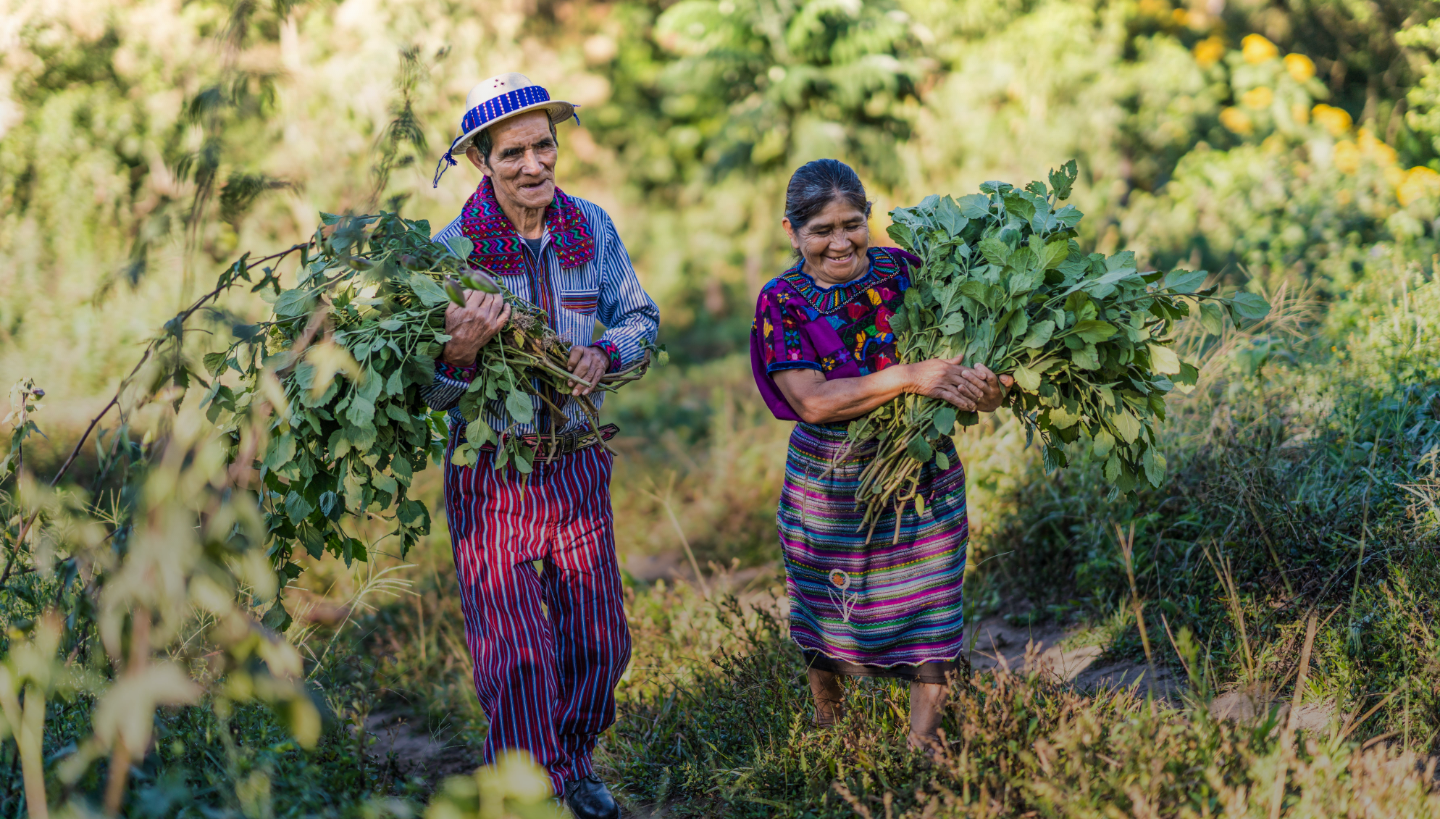

Beneficial Returns provided loans to two agriculture businesses in Latin America that work with hundreds of smallholder farmers.
The Oakland, Calif.-based firm lent $150,000 to Delpla, a Colombian plantain processor that buys from more than 100 small farmers. Depla signs long-term purchase agreements with farmers and pays them weekly in cash — sometimes more than double the local market rate. The company will use the capital to buy processing equipment and expand its supplier network.
In a separate deal, Beneficial Returns provided $500,000 in working capital to Nelixia, a women-owned essential oils producer that sources from about 650 farmers across Guatemala, Honduras, Paraguay and El Salvador. Many are Indigenous growers from Q’eqchi’, Kaqchikel, Mam and other communities.
Nelixia will use the finance to upgrade its Guatemala processing facility. The company has planted more than 80,000 trees since 2017.
“Small businesses in Latin America struggle to secure affordable, long-term capital, but this is especially the case for agricultural businesses and indigenous businesses,” Beneficial Return’s Ted Levinson told ImpactAlpha.
Both investments came through Beneficial Returns’ Main Fund, which provides provides growth and working-capital to impact enterprises in emerging markets. “The Reciprocity Fund intentionally seeks to make loans in places like this where borrowing options are even more limited and where modest loans can have outsized impact.”
Smallholder farmers
Other food and agriculture companies in the region have adopted similar farmer-first sourcing arrangements in the region
In Nicaragua, Alcasa sources cassava from 350 farmers, offering contracts before planting begins and providing low-interest loans for farm inputs. The company sells to Cargill and Ingredion, along with regional buyers like Sigma Alimentos.
In Peru, Cotton Nation is partnering with Lululemon to source cotton from thousands of farmers in the Amazon, paying above-market rates and covering regenerative certification costs.
Pacari, an Ecuadorian chocolate company, sources cacao directly from 4,000 Indigenous Kichwa and smallholder farmers and manages the full production chain from fermentation to export. Amapuri, based in the Colombian Amazon, sources açaí through partnerships with Indigenous and river communities in Guaviare and Vaupés.
“There is no path to climate resilience or nature restoration in Latin America without transforming agrifood systems. But transforming systems requires more than good intentions and guaranteed purchase contracts,” says Maria Ruiz of Climate Policy Initiative’s ClimateShot Investor Coalition, which supported Amapuri in its fundraising efforts.