When I was in Kenya last month, I spent time with farmers, technology entrepreneurs and local officials, listening and learning about their work. After years of working on the same issues and facing the same persistent challenges, the question I kept coming back to was: Why isn’t this working?
The honest answer is uncomfortable. It isn’t about “filling the aid gap” left by the dismantling of USAID, or the broader pullback from development. And it goes beyond scaling solutions or mobilizing blended finance. What this year has clarified is something more fundamental: The problem isn’t a lack of solutions – it’s that markets aren’t functioning to deliver them at scale.
Fixing that means changing how we think about our work.
Scale isn’t a supply problem
For generations, philanthropy has treated scale as a supply-side issue. Fund the tool, the program, the production, and assume replication and ultimately scale will follow. The problem with that approach is that our sector now has more pilots than the Air Force.
As executive vice president of The Rockefeller Foundation, I’ve seen the same pattern over and over: A solution proves itself, generates strong results, generates excitement, and then… stalls out. More often than not, it’s because promising new solutions end up sitting on one side of a broken market: supply without demand, demand without a reliable supply chain, or both, without the policy or financing support to connect them.
Think of a farmer in Kenya producing a surplus, but without a reliable buyer or route to market. Or an entrepreneur with a proven product, but no financing to take it beyond her community. We don’t lack solutions that work; we lack markets that allow them to.
Shape the market, then step back
The solutions that succeed at scale are structured differently. They work across supply, demand and local ownership simultaneously, not step by step. Gavi, the Vaccine Alliance, is a good example. It helped shape vaccine markets to increase supply, supported country-led delivery systems, and built long-term demand, helping vaccinate 1.2 billion children since 2000.
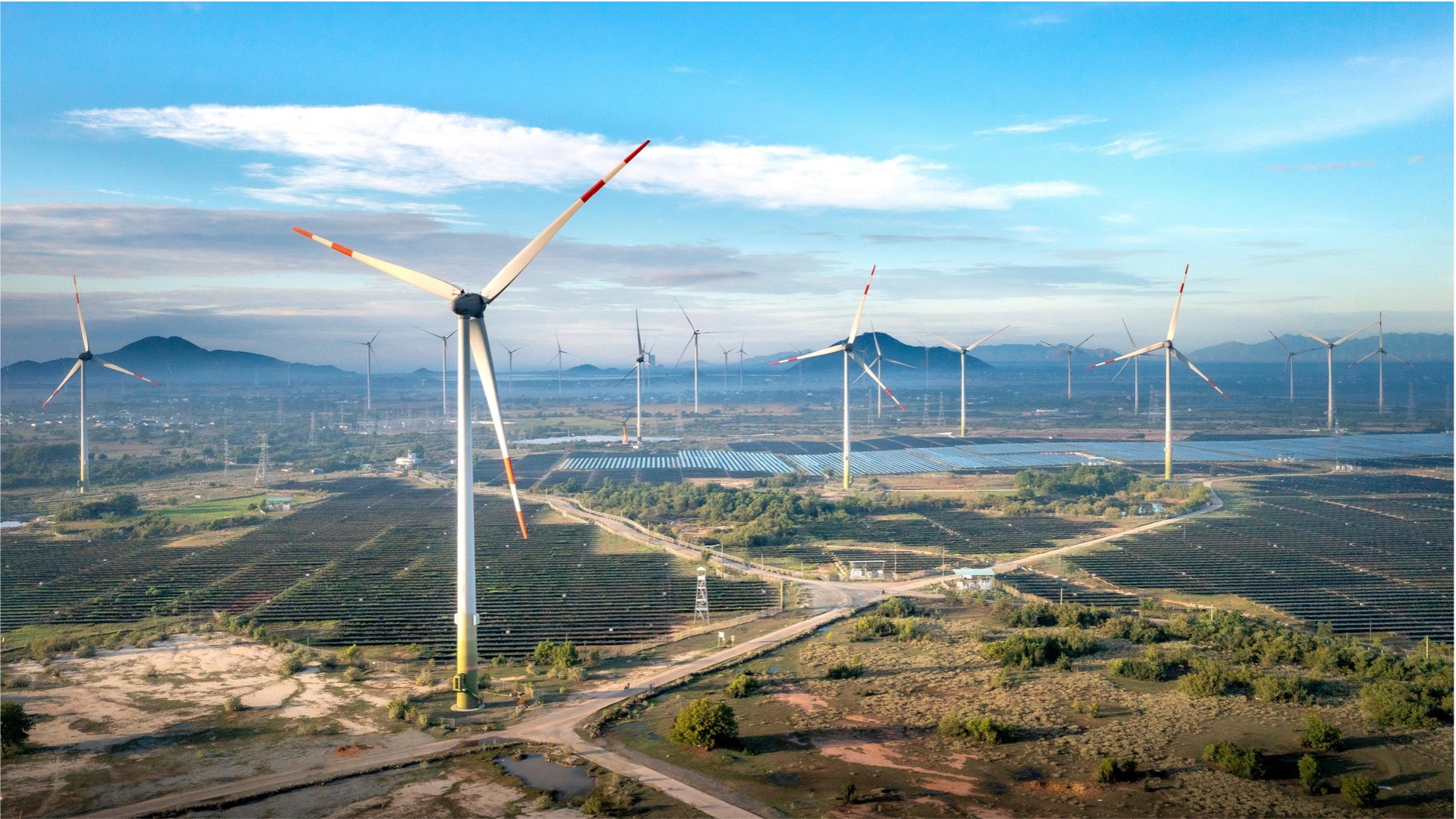
India offers another lesson. For a long time, it was widely known that battery energy storage systems were the next step in the country’s renewable energy growth. What wasn’t yet known was whether those systems were actually financeable. That’s when the Global Energy Alliance stepped in with early concessional capital, not to build a program, but to derisk a market. The result: 100,000 people with reliable power at half the previous cost and an estimated $5-6 billion investment pipeline now moving without philanthropic support.
Across six countries — Benin, Burundi, Ghana, Honduras, India and Rwanda — we’ve taken that approach to school meal programs in partnership with the World Food Programme. By deliberately connecting school meal programs to local farms, these programs do more than just feed children; they also reshape the surrounding food economies. Students show up more consistently and get sick less often, farmers gain steady, predictable demand from buyers in their own communities, and the food system is more resilient.
Across these examples, our role wasn’t to scale those programs ourselves. It was to invest in technical assistance, convening, policy evidence and supply-chain work that lower barriers to adoption – and then step back as uptake accelerates and the market drives scale.
Build the market, not the pilot
The world isn’t short on money. Pension Funds, sovereign wealth funds, development finance institutions, domestic capital markets and private-sector capital all dwarf the resources of philanthropy — and they’re looking for investment opportunities.
What’s missing is confidence: the proof of concept, the regulatory predictability, the execution capacity and the market coordination that signals government and the private sector to move. That’s where philanthropy can play a catalytic role. But we have to be clear about where that role begins and ends.
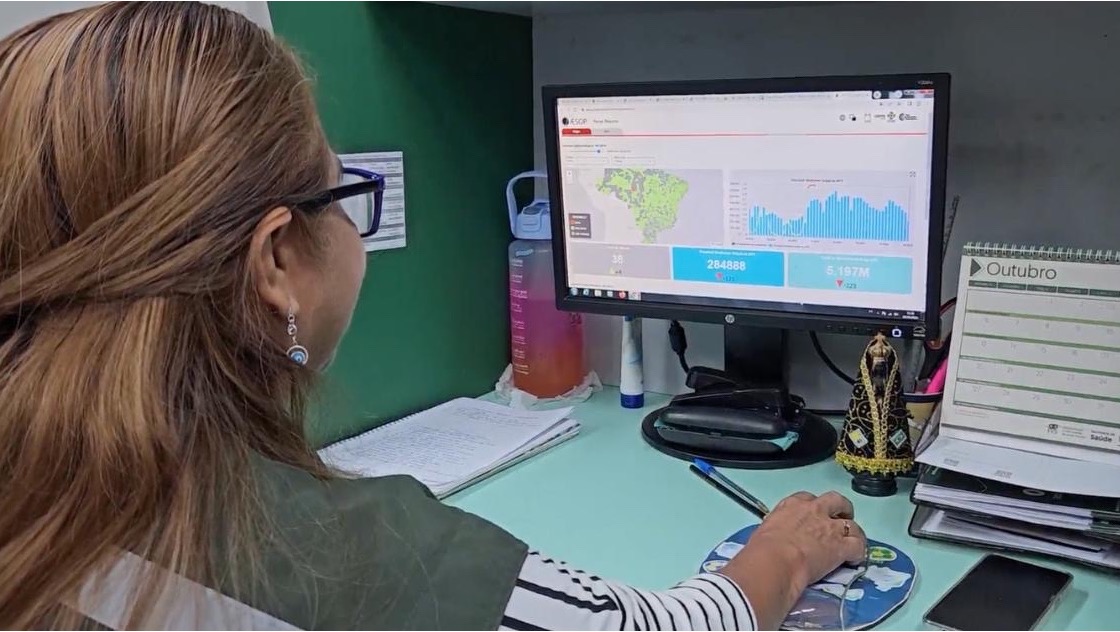
We are not the implementers. That is the cook in Kenya who experiments with recipes so that children are excited to receive their new, high-quality, nutritious school meals. We are not the owners. That is the Brazilian Health Ministry, whose researchers built the detection system to understand outbreaks before they become pandemics. And we are not the future. That is the Haitian energy entrepreneur who is building a business that delivers reliable electricity access to communities for the first time. Our job is to help build marketplaces where those people, and more like them, can succeed and scale.
Philanthropy’s most catalytic role isn’t just writing checks. It’s building the markets where capital can eventually flow on its own. Doing that well comes down to a handful of tactics that the field can’t afford to skip:
- Convene when no one else can. Philanthropy’s position lets it bring together market actors who wouldn’t otherwise come to the same table — regulators and operators, asset owners and entrepreneurs, public agencies and private capital.
- Underwrite the exit from day one. The pathway to commercial, public or blended capital should shape the deal at inception, not surface as an afterthought when a grant is winding down. If we can’t articulate who will take on the project next and how, we’re subsidizing a dead end.
- Invest in the field’s plumbing. Ecosystem builders, like the Global Impact Investing Network, and practitioner pipeline, like the African School of Regulation, represent the human capacity that will carry this work forward. None of it photographs well, and yet all of it determines whether the market exists in 10 years.
- Start with the market failure, not the instrument. A financial instrument is a tool, not a thesis. When we forget that, we end up with frameworks built around problems that don’t need them, and leave the real market failures untouched.
- Embrace accountability. For our sector to learn and grow together, we must hold ourselves accountable by sharing both our successes and our failures. The Rockefeller Foundation releases an annual impact report in the hope that our peers will take inspiration from our examples and guidance from the lessons we’ve learned.
Each of these tactics points back to the same truth. Local ownership is where our work starts, but ownership alone doesn’t drive change. Without a functioning market — a buyer, an enabling policy, financing and data systems — local efforts remain pilots. The difference between a pilot and real systems change is simple: Someone beyond philanthropy chooses to sustain it.
For The Rockefeller Foundation, success looks like moving from innovation to adoption, from dependency to independence, from participation to ownership.
The development model that defined the last generation is breaking down, and the next one isn’t yet built. The question is whether we respond differently this time. I believe we can. But only if we are honest about where philanthropy has real leverage: not in the scale-up itself, but in building conditions that make scale inevitable.
Elizabeth Yee is executive vice president of programs at The Rockefeller Foundation.
Guest posts on ImpactAlpha represent the opinions of their authors and do not necessarily reflect the views of ImpactAlpha.