
Islamic finance may be the original impact investment. For a financial transaction to comply with Islamic law, or Shariah, transactions must meet certain parameters to ensure that it’s not extractive. Charging interest on loans, for example, does not comply. Credit arrangements may instead be structured around revenue and profit-sharing to ensure both lender and borrower are invested in a business’s success.
“Inclusivity is the raison d’être of Islamic finance, bringing the Muslim community into the modern economy and having a strong emphasis on serving underserved and vulnerable communities,” states a report by the Islamic Development Bank and the London Stock Exchange Group on the state of Islamic finance. The field has grown to nearly $6 trillion in assets, up from $1 trillion in 2010.
Shariah compliant
The “intrinsically ethical nature” nature of Islamic finance is helping it grow beyond Muslim-majority countries, according to the “2025 Islamic Finance Development“ report. The UK, for example, is now a key hub for listings of green and Islamic bonds. Other areas of Islamic finance that appeal to non-Muslim markets are home financing and exchange-traded funds.
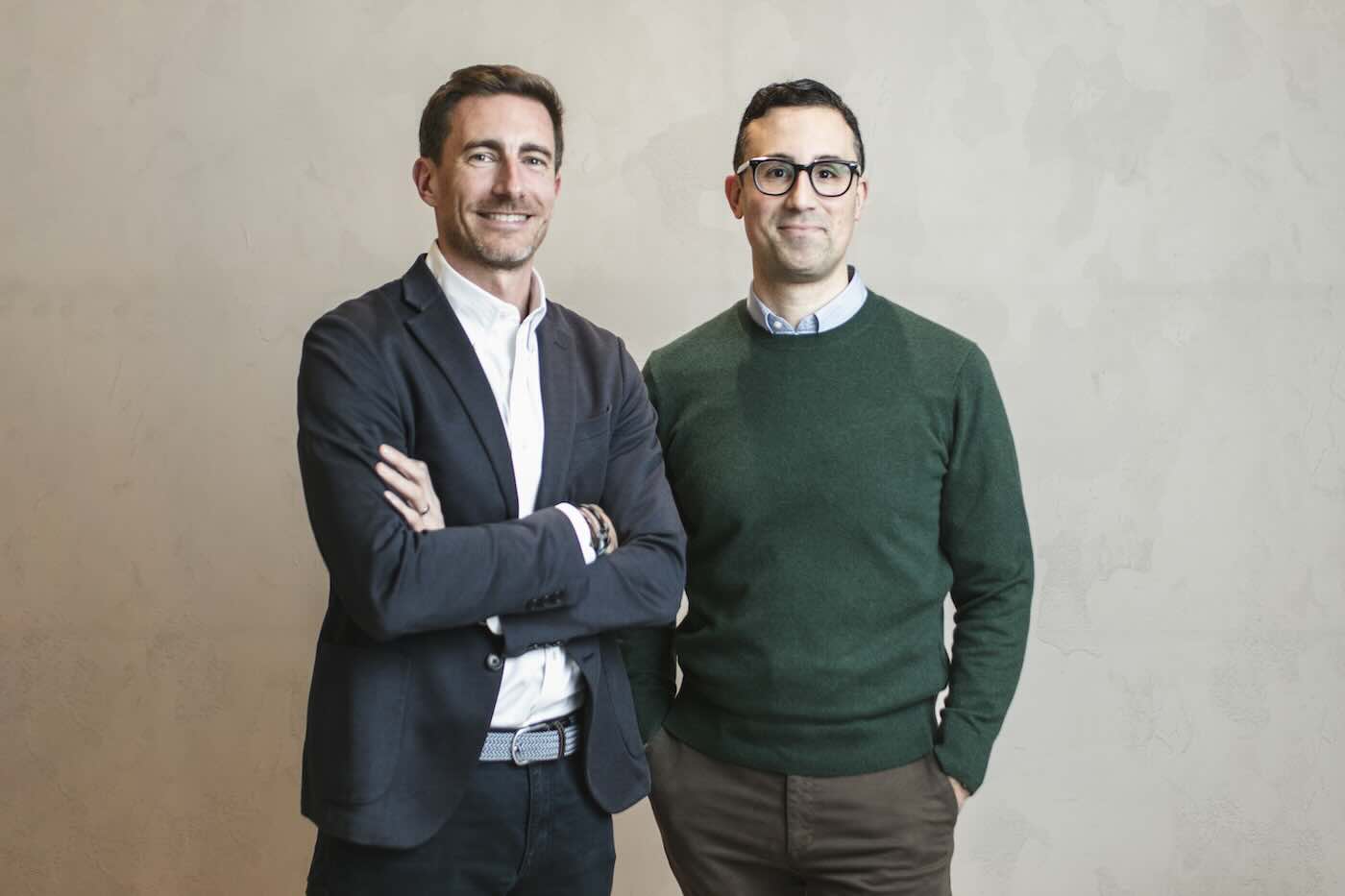
UK-based Janus Henderson earlier this month raised $125.5 million for its fourth private credit fund for mid-sized businesses in the Middle East and North Africa. The $457 billion asset manager was among the first to launch an institutional Shariah-compliant private credit fund in the region.
Its fourth iteration, which is aiming to raise $300 million, is backed by Saudi Industrial Development Fund, Abu Dhabi Catalyst Partners and the Saudi Venture Capital Company.
Market growth
Banking anchors the sector, but Shariah-compliant bonds, known as sukuks, insurance and funds like Janus Henderson’s are also on the rise. Shariah-compliant fund managers have about $300 billion in assets under management.
Sukuks have surpassed $1 trillion. Since the UAE hosted the COP28 climate summit, there has been an uptick in green and sustainable sukuk issuances to fund renewable energy, green buildings, small businesses and low-carbon transport.
“Sustainability is an increasingly important area of the Islamic finance industry,” finds the report.
The more than 55 countries supported by the Islamic Development Bank need $700 million to $1 trillion annually for investments related to the Sustainable Development Goals.
The bank’s member countries on the whole lack robust standards for measuring and reporting sustainability in Shariah-compliant deals. About three in five of its member countries have no sustainability standards in place.
Malaysia currently sets the bar. It was the first country to issue a green sukuk, in 2017. The bond was designed to finance a large solar facility. It has been championing the adoption of green sukuks through its Sustainable and Responsible Investment Sukuk Framework.