
That bang you hear is the sound of another federal prosecutor walking out the door in the face of improper demands by the Trump administration — this time in apparent protest to an effort to freeze Congressionally-approved funds for a green lending program held in a commercial bank.
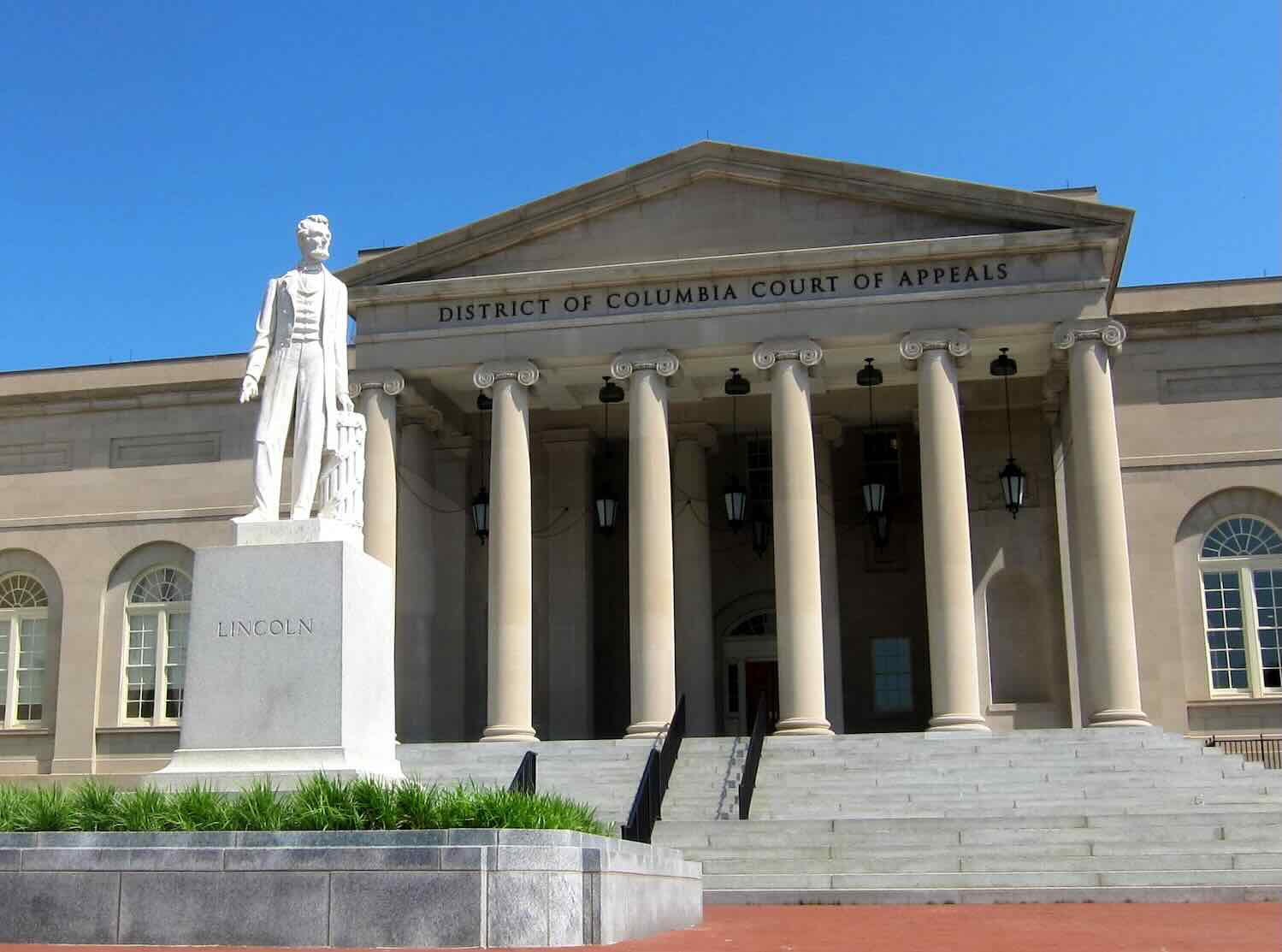
Denise Cheung, the head of the criminal division in the US attorney’s Washington, DC office, resigned on Friday after being asked to initiate a criminal investigation into the contracting of the Greenhouse Gas Reduction Fund and to freeze the funds held at Citibank.
The program, part of the Inflation Reduction Act, is aimed at establishing a green lending network through nonprofit lenders. Under President Biden, the Environmental Protection Agency awarded $20 billion to eight nonprofits to establish a green lending network that could finance energy retrofits, community solar, electric school busses and other pollution-reducing projects in economically disadvantaged communities across the US.
Those funds were deposited with Citibank under a financial agent agreement. The government would have to suspect criminal activity to freeze funds in a commercial bank.
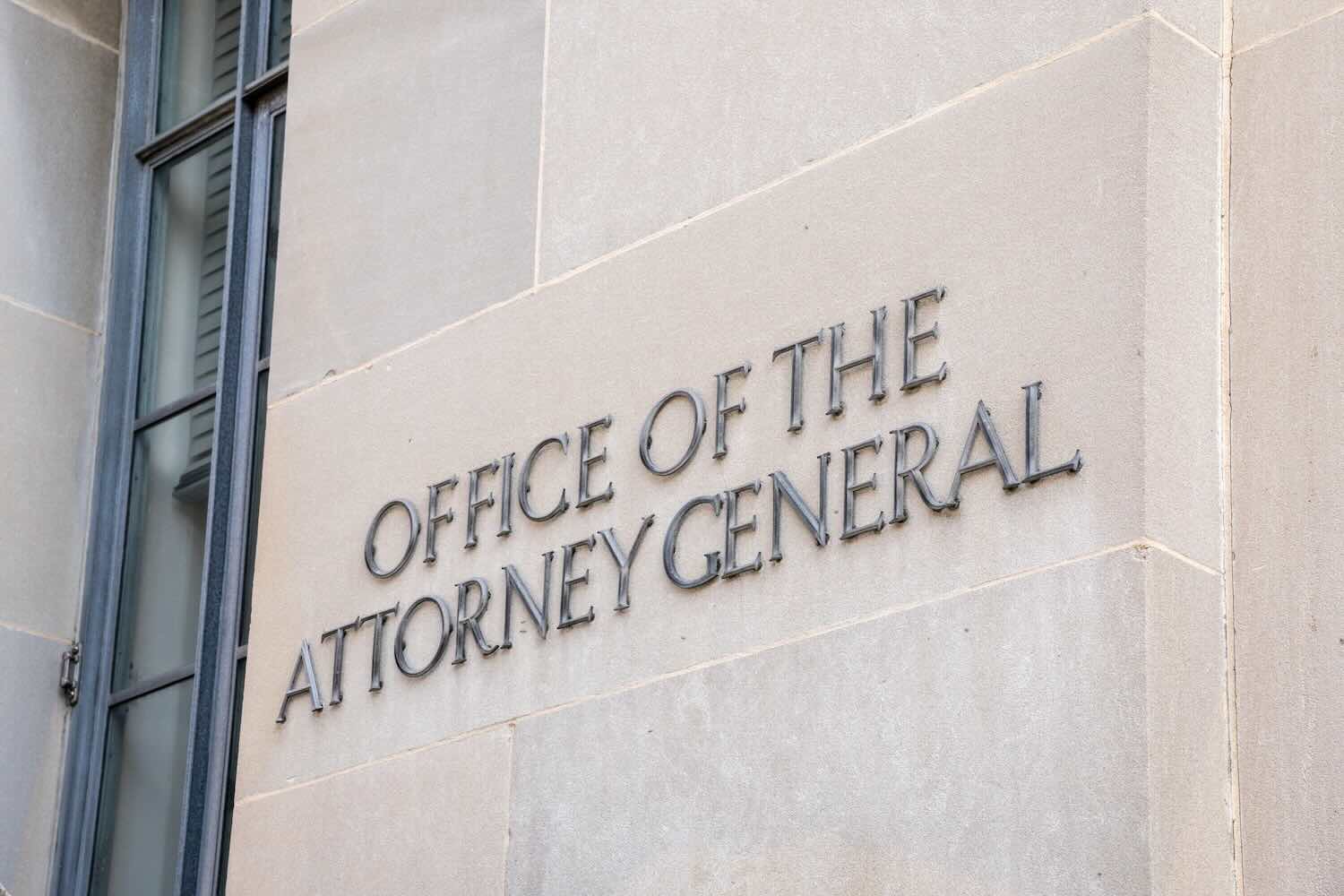
The order is said to have originated with Emil Bove, the acting head of the US Attorney’s Office who was also behind the decision to drop a government case against New York mayor Eric Adams that prompted a wave of resignations among career attorneys. Cheung is the seventh law enforcement official to resign in protest in recent weeks and the first to do so due to the so-called GGRF.
Via social media posts and EPA press releases, EPA administrator Lee Zeldin declared that he “found” $20 billion in wasteful awards parked at a bank, citing by name Climate United, the coalition led by Calvert Impact. Zeldin has cast the program as rife with fraud and abuse, without presenting evidence.
Another $7 billion in GGRF funds for the Solar for All program, which went to a wider group and is held by the Treasury Department, remains frozen.
Waiting game
Recipients of the $20 billion awards — split between the two subprograms, the National Clean Investment Fund and Clean Communities Investment Accelerator — have been on edge waiting for the next move.
The expected freeze of the funds, however, has been slow to materialize, a sign perhaps of the difficulty Zeldin is backing up his allegations. Recipients were still able to draw on their Citibank funds as recently as this week, but were expecting another move by EPA as soon as today.
Zeldin has also zeroed in on the arrangement with Citibank. “This scheme was the first of its kind in EPA history, and it was purposefully designed to obligate all of the money in a rush job with reduced oversight,” Zeldin said in his social media post. He said he would work with the Department of Justice to cancel the contract.
Legal experts say such financial agent agreements have long been used by agencies under Republican and Democratic leadership, including the Reagan, Bush and first Trump administrations. EPA worked with the Treasury Department, which is authorized under the National Bank Acts of 1863 and 1864 to use private banks as financial agents, to set up the agreement with Citi to hold the GGRf funds.
“The financial agent arrangement is designed to help recipients leverage the funds for public-private partnerships, says Kyle Kammien, a lawyer and policy director at Dream.org. The FAA “allows that money to be on the balance sheet, to have it in a bank account that you can point to,” he told ImpactAlpha.
In addition to reducing pollution and energy costs, a goal of the GGRF was to leverage the public funds with 7x in private capital.
Other participants in the GGRF program spoke up to defend it. “These programs were not hidden, nor were they subject to any irregularities in their distribution,” wrote Chéri Smith of the Alliance for Tribal Clean Energy on LinkedIn.
“The grants were awarded through a transparent, competitive process, just like any other federal grant program. The suggestion that these funds were “unknown” or part of a secret agenda is nothing more than an attempt to delegitimize clean energy investments and justify efforts to dismantle climate funding under the guise of fiscal oversight.”