Among the curses of impact investing is that the patient capital needed for many high-impact solutions is inherently more expensive – precisely because it is so patient.
The lack of liquidity in a typical 10-year, closed-end, fund means that, all else being equal, investors will expect higher returns, compared to more liquid investments in which they can get their money back quickly. About 90% of all global assets under management are deployed into liquid strategies.
The Octobre Liquidity Guarantee Facility, launching this year with support from the European Commission, aims to add liquidity to many more impact funds by offering a commitment to buy out the stakes of impatient investors at any time, in less than 10 business days.
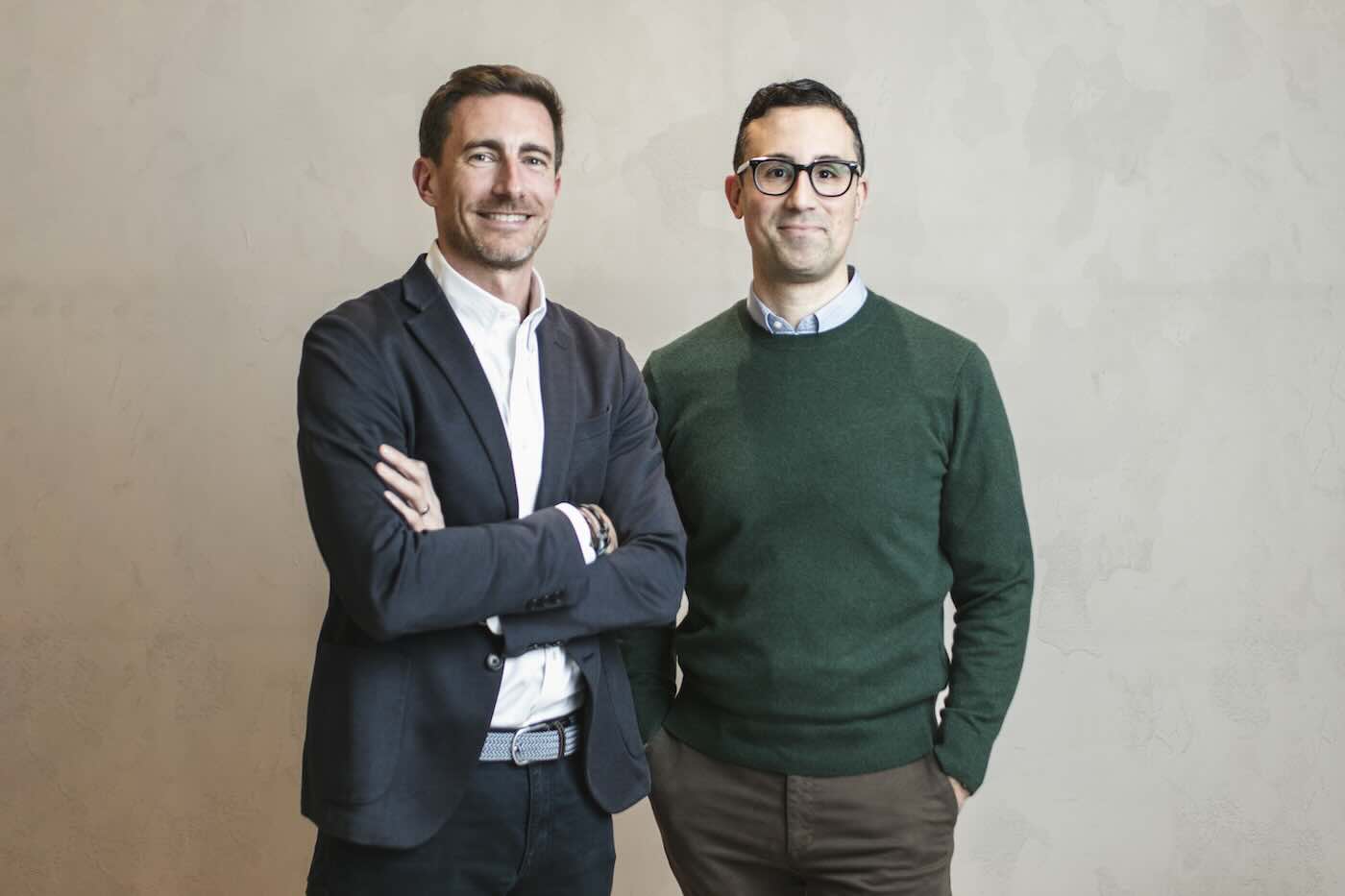
“Octobre is a way to mobilize private capital for impact at very large scale,” Octobre’s Sylvain Goupille told ImpactAlpha in a video interview. “The idea is that if you can make this investment into an impact fund as liquid as listed equities or listed debt, suddenly you can increase by 10-fold or 100-fold the amount of capital that can flow into impact.”
“Because the asset – the impact fund – is now liquid, the expected return from the investors will be lower. And so it’s breaking the curse,” Goupille said on the sidelines of the GIIN Impact Forum in Amsterdam. “It means that now impact funds can offer lower returns than before (that are) aligned with the liquid asset – market-rate returns.”
Impact secondaries market
The development of a secondaries market for stakes in impact funds could also help unstick fundraising more broadly. Institutional investors and other potential limited partners have been limited in their ability to make new commitments without recouping their capital from earlier investments.
Cash-strapped investors are showing a clear preference for lower risk, shorter-term and more liquid strategies within private markets. Private equity professionals have hoped 2025 would bring a surge of M&A and IPO activity, facilitating distributions for LPs (for background, see, “As private equity fundraising goes south, whither impact investing in 2025?”).
Last week, Paris-based Ardian Capital, a spinout from the insurance giant AXA, raised $30 billion for its ninth private equity secondaries fund, one of the largest such funds ever. Axios’ Dan Primack made the raise the day’s BFD, explaining, “When exits go slow, secondaries move fast.”
Some impact funds have developed secondaries strategies of their own, selectively buying stakes from LPs wishing to exit. Minneapolis-based North Sky Capital in June closed on a $250 impact secondaries fund, its second.
“Market conditions are terrific for secondaries buyers right now, especially in impact sectors,” North Sky’s Tom Jorgensen said at the time. “LP-led impact secondary investment sizes tend to be smaller and just outside the scope of traditional secondary funds, which results in less competition in our areas of focus.”
British International Investment is looking to seed a secondary market for impact funds as a way of derisking emerging market fund investments and recycling capital to new fund managers. Last year, it sold its stakes in funds run by Aavishkaar, Novastar Ventures and Adenia Capital to Swiss impact investment firm Blue Earth Capital, which launched its secondaries fund in 2023.
New capital
The Octobre Liquidity Guarantee Facility leverages the advantages of liquidities and secondaries more broadly across multiple funds.
“The guarantee facility offers investors an opportunity to exit their participation in Emerging Market and Impact funds under any circumstance, thereby incentivizing investors to enter the impact investing space,” the blended-finance network Convergence wrote in a summary. A grant from Convergence supported the development of the model.
For a small insurance premium, Octobre offers LPs a guarantee that they can exit their fund positions within 10 working days. The price of the stake is a function of the manager’s estimates and Octobre’s own due diligence. As a guarantor, Octobre is treated as a shadow investor itself, with the same access to information.
Octobre has up to a year to sell the stakes on the secondaries market. If it cannot find a buyer, Goupille said, it can hold the asset on its balance sheet until it can exit the position.
Goupille said Octobre has an agreement with the European Commission to borrow from its balance sheet, giving it a plentiful source of low-cost capital. He said the firm has initial underwriting capacity of about a half-billion euros to prove the concept. The firm’s ambition is to mobilize €25 billion in new capital for impact within five years.
“So it’s quite ambitious,” he said. “We are obviously a financial instrument, a financial tool. But it’s really a way to increase significantly the amount of private capital for impact. And that’s our impact.”