As COP29 concludes with an eleventh hour deal for $300 billion in climate finance, another pivotal breakthrough also deserves attention: the financing that will flow out of a new United Nations-backed carbon market.
For years, negotiations to set up a UN-supervised carbon market were stalled. This year in Baku, world leaders broke the impasse, approving standards for international carbon crediting and a mechanism to regulate them.
The carbon market, authorized under Article 6.4 of the Paris Agreement, will allow countries and companies to trade regulated emissions reductions credits, make investments in developing countries, and help achieve their official greenhouse gas reduction goals, known as National Determined Contributions, or NDCs.
For example, a country in the Global South could generate credits by replacing a coal plant with renewable energy or restoring natural carbon sinks such as mangroves or forests through investments that would not occur without the incentives created through carbon credits. The country could then sell the credits to another nation, which could apply the reductions towards its NDC goals (only one country can claim the reductions).
COP negotiators anticipate that such a market mechanism can reduce the cost of implementing NDCs by more than half, or as much as $250 billion by 2030.
To ensure both a positive climate and social impact, the supervisory body adopted the Article 6.4 Sustainable Development Tool, which will be mandatory for carbon projects. The tool establishes that these projects must not only mitigate greenhouse gas emissions but also support the achievement of the Sustainable Development Goals while ensuring that the ‘do-no-harm’ principle is upheld.
Once finalized, most likely in post-COP discussions, the Article 6.4 market will be fully operational. This will enable the review and approval of methodologies, validating activities, and verification of mitigation outcomes. The first Article 6.4 carbon credits are expected to be issued in 2025.
Climate finance
The breakthrough comes at a critical time for global climate action.
With just five years left to reduce global emissions by 45%, as scientists say is necessary to limit warming by 1.5°C, we cannot afford to delay or dismiss any available climate investment opportunities.
Some $13.5 trillion in global investment is needed by 2050 to achieve a carbon-neutral future. Much of this financing is still uncommitted. The need is greatest in emerging markets, which require about $2 trillion annually by 2030 to achieve net zero emissions by 2050.
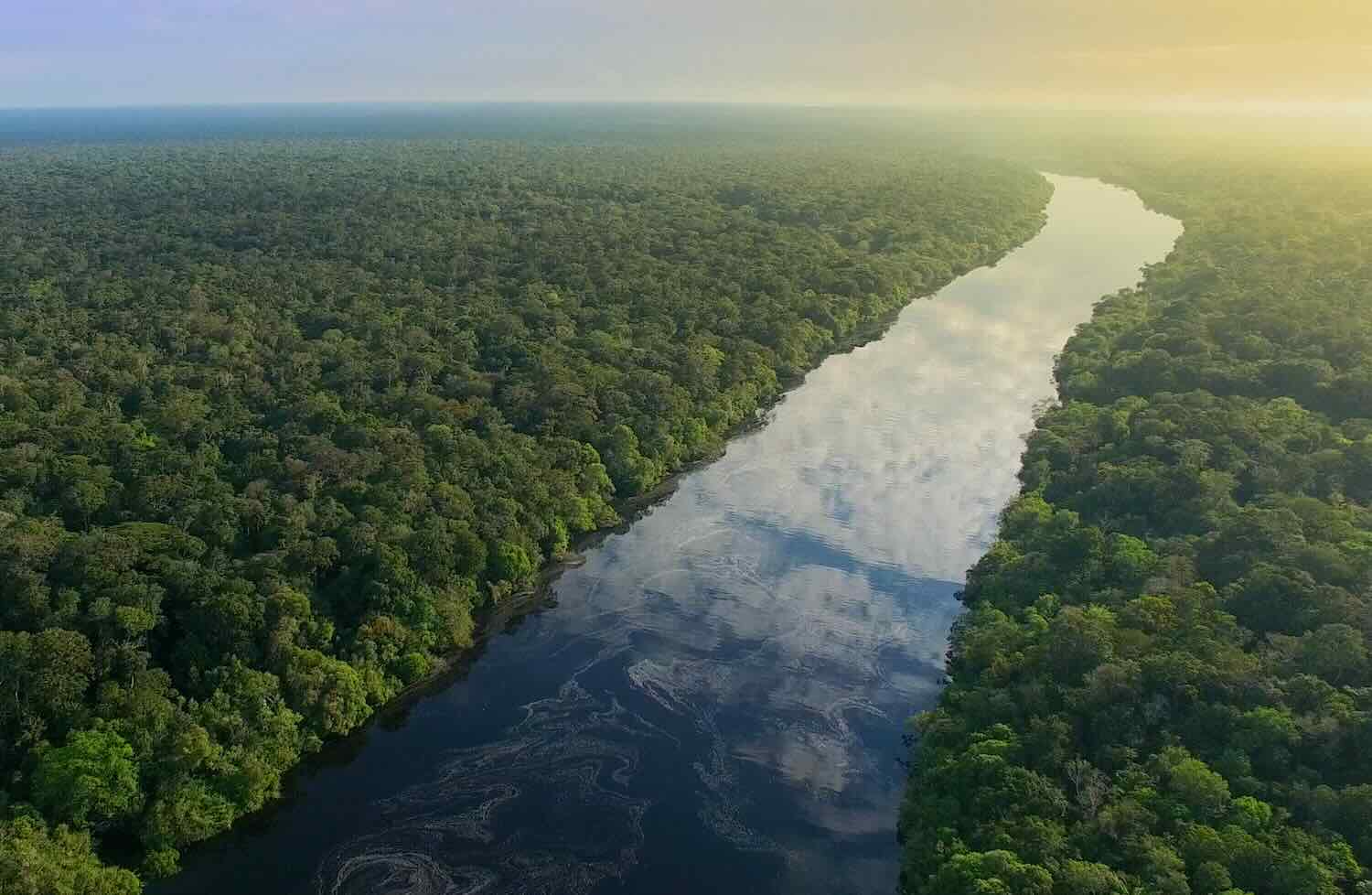
Last year, we lost 10 soccer fields of tropical forest per minute — a total loss equivalent to almost half of the US’s annual fossil fuel emissions. The populations most acutely affected by these losses are concentrated in the Global South, where leaders have advocated for carbon credits as a powerful tool for channeling finance to communities that have protected nature.
The Voluntary Carbon Market
The establishment of a UN-regulated market will further mobilize private sector investments in global climate action, funnel much-needed climate finance from the Global North to the Global South, and reiterate the importance of market-based approaches to climate action.
It could also revive the struggling voluntary carbon market, which corporations use to meet their net-zero goals. The voluntary carbon market, or VCM, had been set to spur climate investments, but controversies and prolonged debates about carbon credits have shaken confidence. From 2022 to 2023, the volume of trading in the VCM dropped 56% while total transaction value plummeted more than 60%. At this point, the voluntary market is well off course from projections that envisioned it reaching more than $1 trillion annually by 2050.
In the face of this instability, VCM proponents have worked proactively to bolster investor confidence. To address credibility and accountability concerns, organizations have created their own standards and guidelines, such as the Integrity Council for the Voluntary Carbon Market’s Core Carbon Principles and the Commodity Futures Trading Commission’s guidance for listing carbon credits. These guidelines evaluate methodologies, help verify the integrity of carbon credits, and are expected to align with Article 6.4 regulations.
The market reaction to these voluntary developments so far has been limited. But the COP agreement on Article 6.4 is expected to boost confidence in broader market-based climate action. This financing could be key: nature-based mitigation from carbon credit projects account for just 1.2% of global mitigation today, but have the potential to drive up to 30% of global mitigation by 2030.
Looking ahead
We must embrace the progress made thus far by both the VCM and Article 6.4. Now is the time to work together in earnest to operationalize Article 6.4 and foster the evolution of equitable, high-integrity carbon markets. This work is imperative to meet the goals of the Paris Agreement and provide vital support to communities in the Global South who need it most.
We must continue to support transparent carbon markets that provide the very climate finance commitment that was lacking at COP29.
______________________________________________________________________
By Kenneth Möllersten, Methodologies Expert for UNFCCC on Article 6.4, Researcher at KTH Royal Institute of Technology and Senior Expert at IVL Swedish Environmental Research Institute