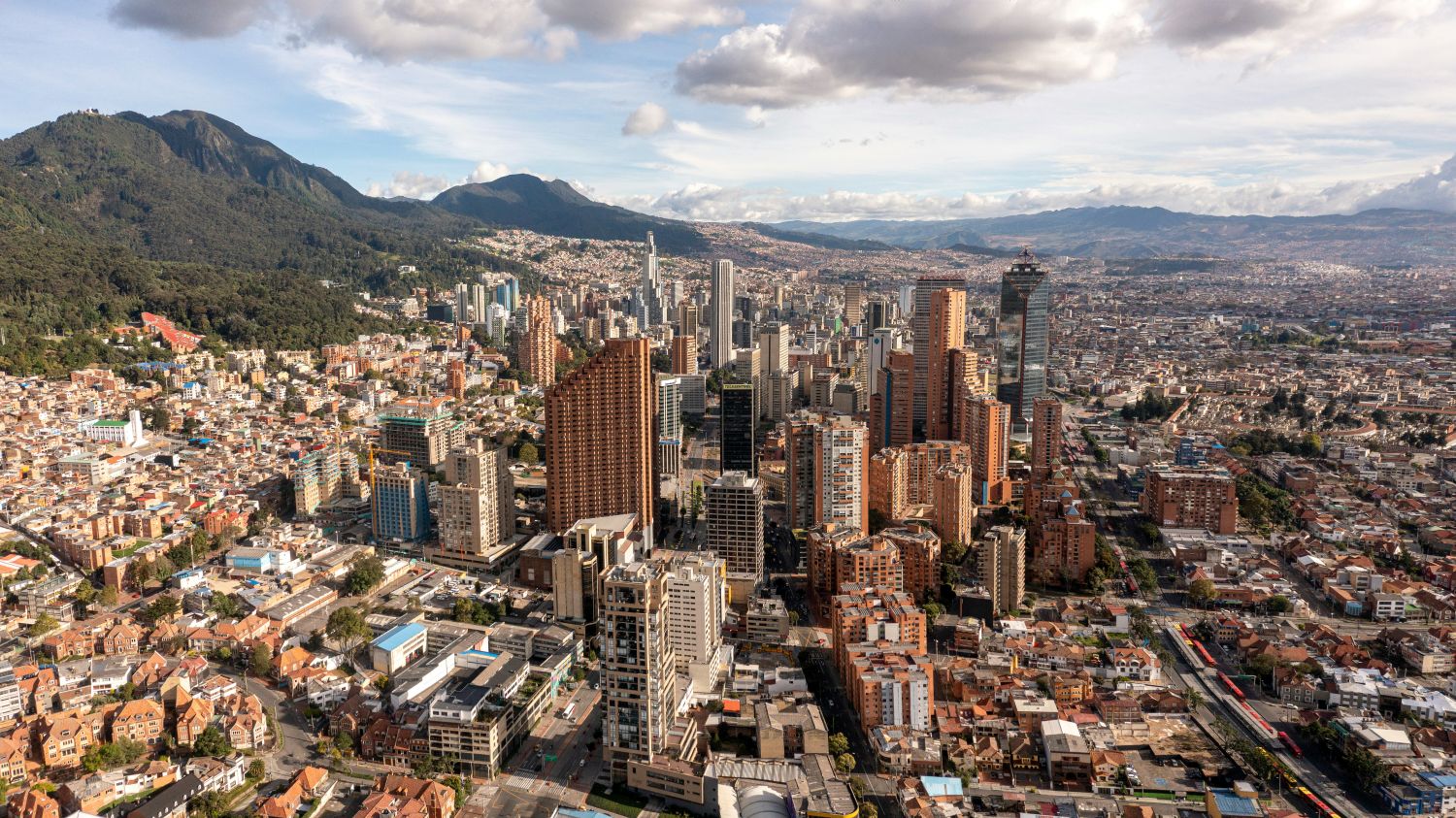
A mismatch of demand for and supply of impact capital in a country roughly the size of the United States has created one of the largest growth markets for impact investing on the planet.
Add to the bullish case for Brazilian impact investing an inclusive policy agenda supported across recent administrations and the catalytic possibilities of the COP30 climate gathering, which Brazil is set to host in Belém in November.
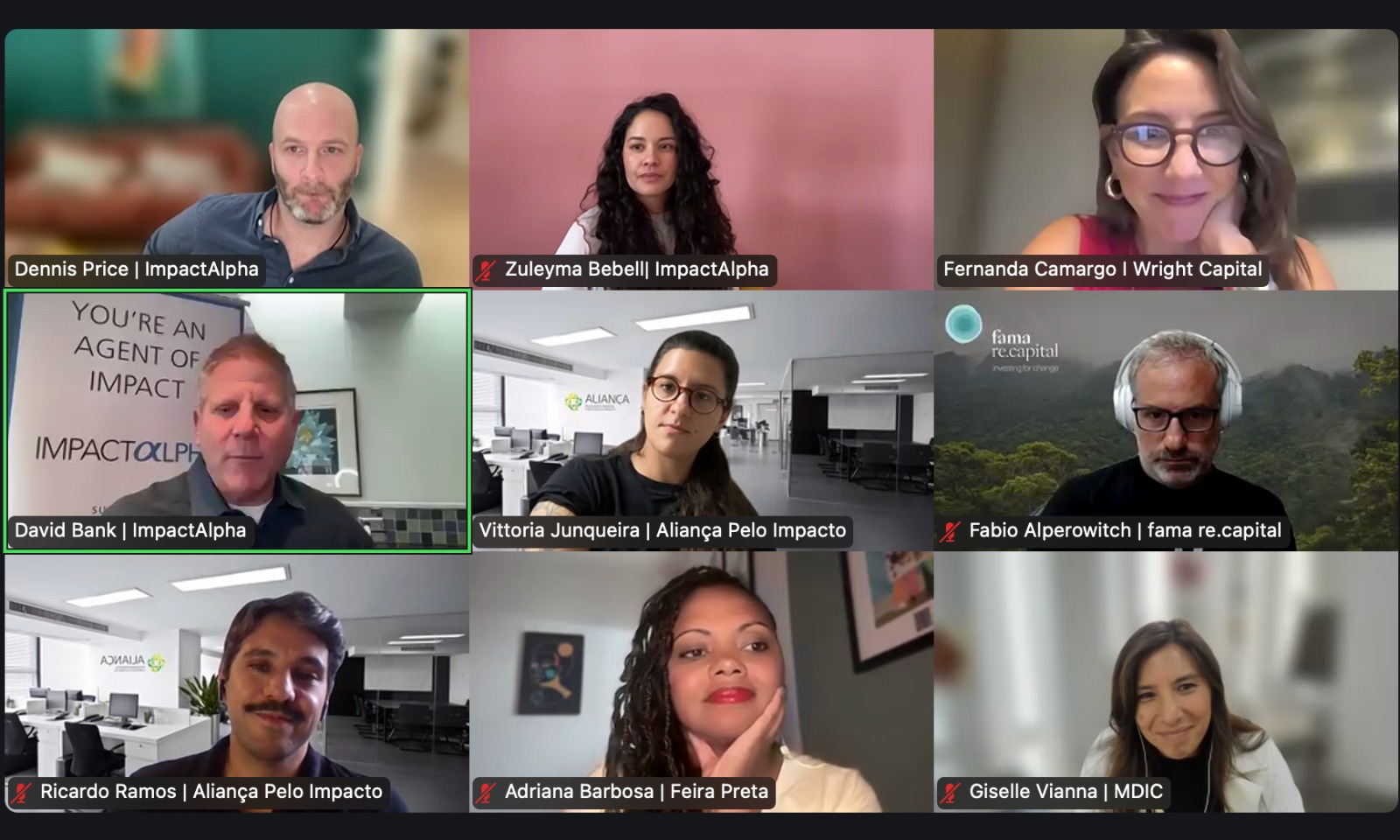
“We have huge opportunities here in Brazil for impact,” Fama Re.Capital’s Fabio Alperowitch said on this week’s Agents of Impact Call that put a spotlight on the emerging impact market. “But very few people are investing.”
“If there are few people investing,” added Alperowitch, who manages a portfolio of climate, agriculture and gender-based impact investment strategies. “The opportunities are huge.” In 2023, Fama stood up a public equities fund that invests in Brazil’s worst polluters in order to reduce their emissions and boost their long-term viability.
With such differentiated impact strategies, he says, “we can provide greater returns.”
As president of the G20 last year, Brazil put a stake in the ground on social inclusion, nature-based economies, and financial institution reform as catalysts for economic growth. This year, as host of the much anticipated COP30, Brazil is expected to elevate the voices of the Global South and indigenous land stewards.
“Having a Global South country in the lead is an opportunity to raise and highlight topics that are often ignored and neglected,” Ricardo Ramos of Aliança pelo Impacto, Brazil’s national advisory board for impact investing, and co-hosts on The Call.
The call, which featured players in the South American giant’s impact ecosystem, explored the opportunities — and challenges — as Brazil finds itself in the global limelight.
Enabling environment
Brazil last year raised its 2035 climate ambitions and has reduced runaway deforestation. It is seven years into Enimpacto, the National Strategy of Impact Economy, which coordinates policies that support blended finance, investment incentives and more inclusive procurement in states across Brazil.
Separately, the government’s “Arc of Restoration” program has earmarked 1 billion reais ($205 million) to reforest a band of the Amazon rainforest that has been heavily deforested by agri-business with a history of slave labor. The work will support people “keeping the forest alive, the indigenous people, the communities, traditional communities, that have always taken care of our ecosystems,” said Gisele Vianna from Brazil’s Ministry of Development, Industry and Foreign Commerce. “Our task is to support these initiatives, to make them bigger, to scale solutions. This is the narrative now.”
As global governments backtrack on climate and sustainable development commitments, Brazil sees a competitive edge in the global competition for talent. Coming soon: a fast track visa and residency permit for entrepreneurs and investors who want to live in Brazil, to work within its green ecosystem, or invest in its sustainable growth opportunities.
“I think this sets a very, very clear message to the world,” said Vianna.
Inclusive strategies
Brazil’s Enimpacto impact investing strategy has rallied a vibrant and growing impact ecosystem. The policy, launched in 2017, aims to boost impact investing in the country from $11 billion to $120 billion over 10 years with blended finance, investment incentives and more inclusive procurement. More than 30 Brazilian financial institutions and organizations offer impact investing opportunities.
Still, Fabio Alperovitch of Fama Recapital, a climate fund manager in Brazil, places the country’s share of global impact investing at just 0.2% globally. Most investors are still not aware or committed to the opportunities in Brazil. “We are in a geography in which we can deploy a lot of capital to provide above average returns with less risk, but even Brazilians are not paying attention to that,” he said.
Adriana Barbosa, founder of PretaHub, an incubator for Black Brazilian entrepreneurs, wants to make sure that the money that is invested reaches those who need it most. Barbosa has championed policy changes in São Paulo’s municipality to help increase access to financing for the region’s Black entrepreneurs, who given the country’s legacy of slavery, face systemic issues in accessing credit.
“Most Black people receive support from accelerators and incubators, but they don’t often receive the seed and growth capital that they need to achieve their goals,” Barbosa explained through a translator. She is also advocating for a bigger role for this community at the COP30 summit in November in Belém, a gateway to the Amazon.
“More than 70% of the people who live in the Amazon rainforest are African-indigenous communities, but when it comes to [COP30], there’s not much money going into these communities,” she says. “They don’t have the capital to build their businesses.”
Family wealth
Amid the push to bring more capital providers into the impact investing sector, Fernanda de Arruda Camargo of Wright Capital Wealth Management, a São Paulo-based multi-family office wealth manager, says she is seeing more willingness for families to allocate their money to impact investing. No longer, she says, do they reflexively mistake impact for philanthropy.
Wright is seeing more interest from younger clients but also clients from older generations looking to address social inclusion and climate issues. And their allocations are growing.
“When we started Wright Capital, the model was that any client who would come would invest 1% of the total assets into impact. That was a way to teach families about impact,” she said. Most families now deploy at least 2% for impact investment, and some much more.
Among the Agents of Impact that joined The Call:
Murray Gray beamed in from Amsterdam…Claudia Pires of so+ma, a Brazilan social enterprise, joined… Mijo Vodopic of the MacArthur Foundation called in from Chicago…Tina Kobetsky joined from Sunnyvale, CA…Marco Giagio from Instituto Certi Amazônia de Manaus was there… Antonio Jaramillo, Regional Manager for Latam at Wellers Impact joined from Bogotá, Colombia… Henry Burban from the Climate Policy Initiative joined from Washington, DC… Vinicius Pereira called in from São Paulo… Maria Lima Toivanen of Innodeva called in from Belo Horizonte… Fabrício Bellotti of JATAÍ Gestora de Recursos de Impactos was there.
Randall Loker of Paladin Realty called in from Los Angeles… Juliana Splendore from Partnership Platform for the Amazon (PPA), joined from São Paulo… John Palmisano of Carbon Note.ai tuned in from Washington DC… Gilberto Lima from Celacanto joined from Rio de Janeiro… Nathiele Contrera called in from Curitiba…Luisa Vendruscolo, CEO da Biopolix dialed in from Ribeirão Preto… Rene Bonomi of Bonomi Desenvolvimento Empresarial was there.
Margareth Conceicao, an NEIII Fellow from Brazil called in from Virginia… Heiner Skaliks of Convergence Blended Finance joined from Saskatoon, CA… Todd Miller of Sweden-based Phlomis Finance called in from Washington, DC… Derek Fears from Blue Amazon joined… Ana Flávia Castro Vidigal called in from Sao Paulo… Jensyn Hallet of Invest for Better & Alivest was there… Cristina Sturmer dos Santos of Popular Financing for the Production of Healthy Food (FINAPOP) joined as well.
Inessa Salomão from Observatorio dos Negócios de Impacto Social e ambiental/Rio de Impacto, and Sociabilis was there… Mary Rose Brusewitz called in from New York… Nastassia Romano, Business Development Consultant for Impact; Brazil Ambassador to ChangeNow Summit and leader of the Brazilian Delegation to the Summit dialed in… Gabriel Cardoso of Instituto Sabin joined from Brasilia… Danielle Nicholson dialed in from Boston… Luiza Valle of Scotwork Brasil joined from São Paulo as did Julia Nadalini Gonçalves of MOV Investimentos.
Scot Bryson from Impactful Capital & Orbital Farm joined from Toronto…Vinicius Laguardia from Fundo Vale called in from at Cubo Itaú in São Paulo… Luisa Brasil of CDP called in from Los Angeles… Carol Hasegawa from Rever Consulting joined… Ricardo Nakano of Brazil Minnesota Chamber of Commerce and Vela Bikes joined… Inessa Salomão called in from Jamaica… Marta ENES from Schneider Electric’s impact investing team dialed in from Paris.
Jacqueline Winandy, client advisor at Lombard Odier, tuned in from São Paulo… Caroline Takita Levy of eAmazonia Climate Tech Venture Studio & São Paulo ClimateHack joined… Vinícius Costa of Belat Brasil tuned in… Sid Embree of AtmosClear Canada Inc and Jaguar Corridor Investment Fund joined… George Affonso Ferreira of Artemisia, called in… as did Katy Anis of Coalescence Advisory Services from Washington, DC.