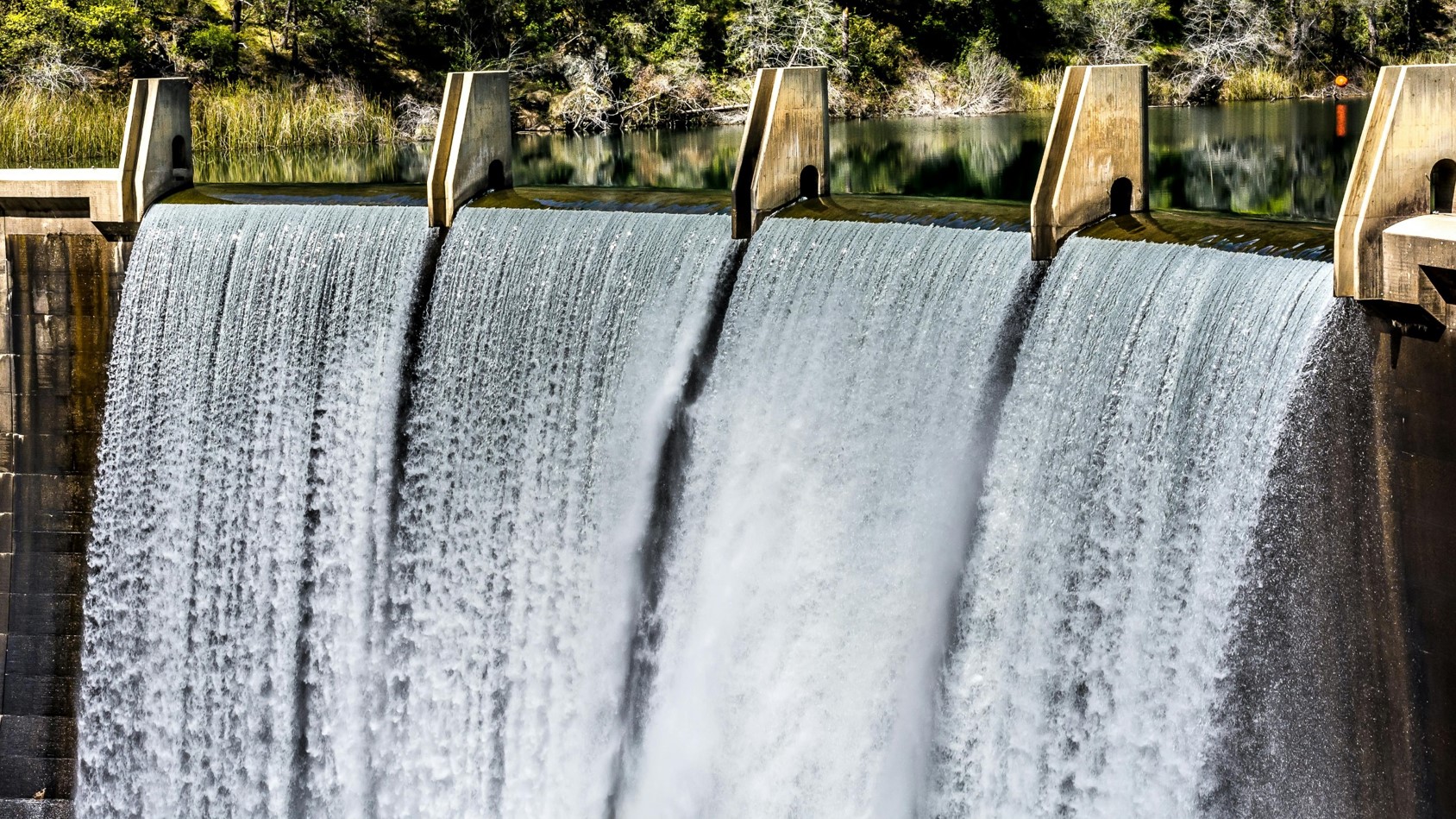

Every portfolio depends on infrastructure — energy grids, supply chains, water systems. But beneath them all lies a deeper layer rarely priced into markets: nature itself. Natural capital, the world’s stock of forests, wetlands, soil and oceans, forms the hidden infrastructure that underpins the real economy. These assets deliver essential services such as clean water, carbon storage, flood protection and climate resilience that sustain every sector of production and trade.
In a high-inflation, highly volatile world, natural capital can serve as a valuable hedge for advisors, sitting at the intersection of inflation protection, systemic risk and sustainability demand. The value and income potential of these assets often rise with prices. For financial advisors, understanding how these systems can create (or destroy) value isn’t just about values alignment. It’s about identifying a growing risk factor and a new category of investable infrastructure.
Natural capital as an asset class
Natural capital is no longer confined to philanthropy or government programs. It is emerging as a distinct asset class, offering return streams tied to tangible environmental outcomes.
From forestry to fisheries, these strategies diversify portfolios while producing measurable ecological benefits. Frontier models such as blended finance funds, debt-for-nature swaps, and sovereign “nature performance bonds” are expanding the opportunity set and de-risking participation for private investors.
For advisors, these categories mirror traditional real assets and alternatives but with added exposure to sustainability themes. They can serve as diversifiers, inflation hedges or tools for clients seeking values alignment.
Measuring and valuing impact
Natural capital demands dual accountability: ecological and financial performance. Frameworks are rapidly evolving to standardize this measurement.
For example, the Taskforce on Nature-related Financial Disclosures, or TNFD, provides structured guidance for firms to assess nature-related risks and dependencies. More than 1,700 organizations now participate, and over 500 have committed to align reporting. Project-level standards are also maturing. The International Finance Corporation’s Performance Standard 6, or IFC PS6, defines lender requirements on biodiversity safeguards. Certification schemes such as Verra, Gold Standard and the Integrity Council for the Voluntary Carbon Market are setting integrity benchmarks for credits.
In practice, managers track a matrix of indicators such as hectares restored, tons of carbon dioxide equivalent sequestered, water yield, species richness, jobs created and local income. Independent monitoring, remote sensing and third-party verification are increasingly expected to ensure credibility and mitigate greenwashing risk.
Risk landscape
Risks in natural capital differ from conventional assets. A structured view clarifies where exposure lies and how it can be managed.
| Risk Type | Example | Mitigation Strategy |
| Environmental/Reversal | Forest fire releases stored carbon; mangrove loss from storms | Credit buffers, parametric insurance, geographic diversification |
| Policy/Market | Shifts in subsidies, carbon pricing, offset rules | Blended strategies, scenario testing, policy engagement |
| Measurement/Integrity | Overstated impacts, weak baselines | TNFD alignment, third-party audits, independent monitoring |
| Liquidity/Capital | Long maturation periods such as decades for forestry | Blended finance, concessionary capital, structured exits |
| Social & Governance | Land tenure disputes, lack of free, prior and informed consent | Inclusive governance, IFC PS6 compliance, transparent benefit-sharing |
| Reputational | Overstated green claims | Rigorous due diligence, certification, transparent reporting |
These risks underscore the importance of disciplined diligence and portfolio diversification across geographies and ecosystem types.
Key investment themes
Nature-based solutions such as reforestation and wetland restoration are now central to climate adaptation strategies. They could deliver more than 11 gigatons of carbon-dioxide-equivalent reductions annually by 2030, roughly one-third of the climate mitigation needed, while often costing 30-70% less than gray infrastructure alternatives for flood and stormwater management.
For example, regenerative agriculture combines yield improvements with soil carbon sequestration, and demand for this approach is rising as corporates adopt “insetting” strategies to decarbonize supply chains. Similarly, biodiversity finance and nature tech – tools that apply data and analytics to quantify ecosystem services such as carbon storage, water yield and biodiversity health – are also accelerating. Since 2018, more than $11 billion has flowed into nature tech across over 1,000 deals, building the monitoring and verification infrastructure that underpins market credibility.
Other themes like Indigenous and community-led models improve legitimacy and reduce risk by aligning local incentives and governance. Meanwhile, the blue economy is moving beyond pilots, with blue bonds, marine impact funds and coral reef insurance channeling capital into coastal resilience with measurable outcomes.
Market gaps and the path ahead
Despite momentum, flows remain far below what is needed. In 2022, investment in nature-based solutions totaled $200 billion, less than half of the $542 billion the United Nations estimates will be required annually by 2030.
Governments accounted for more than 80% of this capital, leaving private investors underrepresented. For advisors and clients, this gap signals a market inefficiency. The financing need is clear, global policy is moving quickly, and new mechanisms are lowering barriers to entry. Early investors can capture both impact and differentiated financial returns by stepping into a space that is undercapitalized yet increasingly supported by policy and corporate demand.
Regional disparities also create opportunities. China, Europe and North America dominate flows, while Africa and other emerging markets remain underserved despite their ecological importance. Private finance is beginning to play a larger role in Asia and certain emerging markets, often supported by nongovernmental organizations and multilateral development banks. For globally minded investors, this geographic spread can enhance portfolio diversification while tapping into growth markets.
Nature calls: Building natural assets into portfolios
Once largely confined to philanthropy and public programs, natural capital is increasingly recognized for its potential to enhance portfolio resilience and deliver long-term, real-economy value. As demand grows, asset classes are becoming clearer and standards are strengthening. For advisors, the opportunity is twofold: to diversify portfolios with new sources of return and meet client demand for investments that deliver measurable environmental impact.
Continued degradation of ecosystems threatens long-term economic stability and portfolio resilience. Even modest reallocations of institutional and individual capital can help close the funding gap while providing competitive returns. Advisors who move early will be better positioned to meet client demand, differentiate their practices and participate in shaping a new pillar of sustainable finance.
Garima Gupta is the manager of impact investments and Aishwarya Agarwal is an investment fellow at CapShift.
Advisors’ Corner is a content partnership between ImpactAlpha and CapShift. CapShift’s impact investing platform empowers financial and philanthropic institutions — and their clients — to invest in their vision for a better tomorrow. All content is solely for informational purposes and should not be used as the basis for investment decisions.