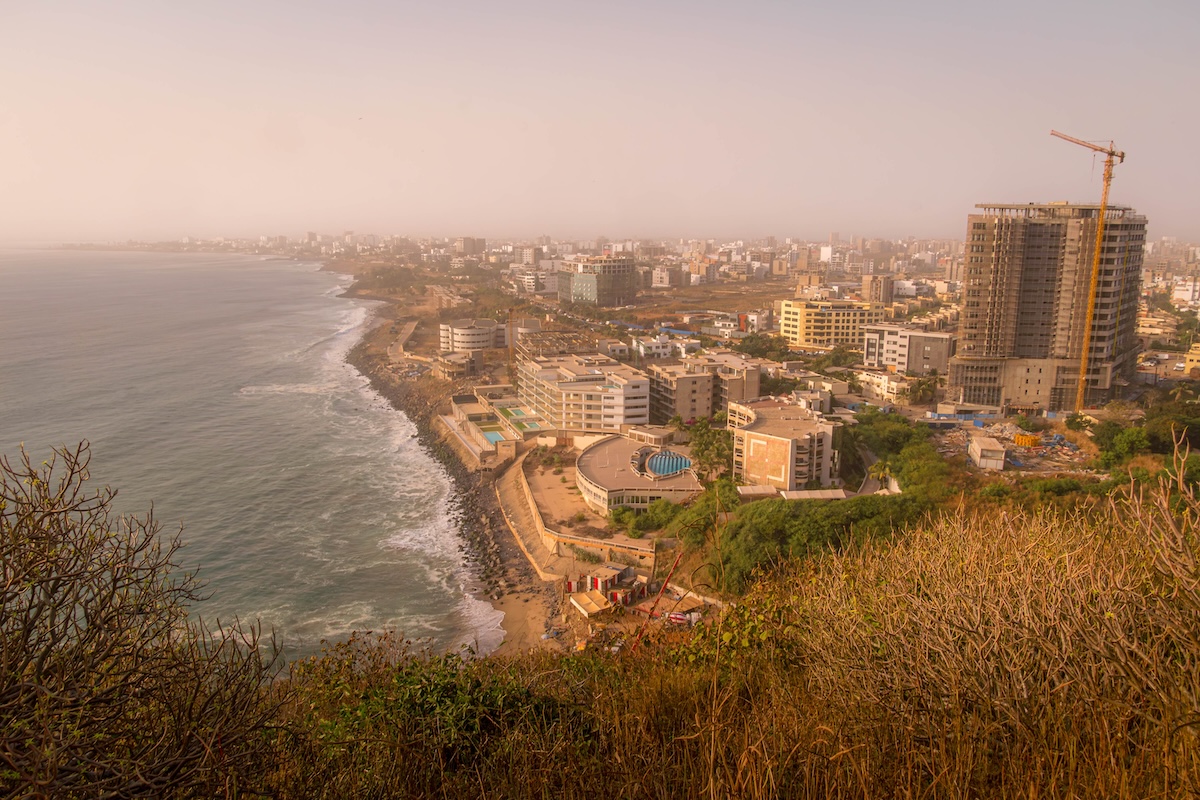
Senegal is facing a climate conundrum. The country has recently started commercial production of its substantial oil and gas reserves, which it can continue to exploit for economic growth. It also has climate action ambitions. Will it lock in a sustainable future, or choose fossil fuels and pollute?
Despite its recent fossil fuel developments, the West African country has been laying the groundwork for investors to support green growth, passing renewable energy, regenerative agriculture, and electric transport finance incentives.
This country spotlight highlights opportunities for investing in Senegal’s climate resilience and green transition.
Policy incentives
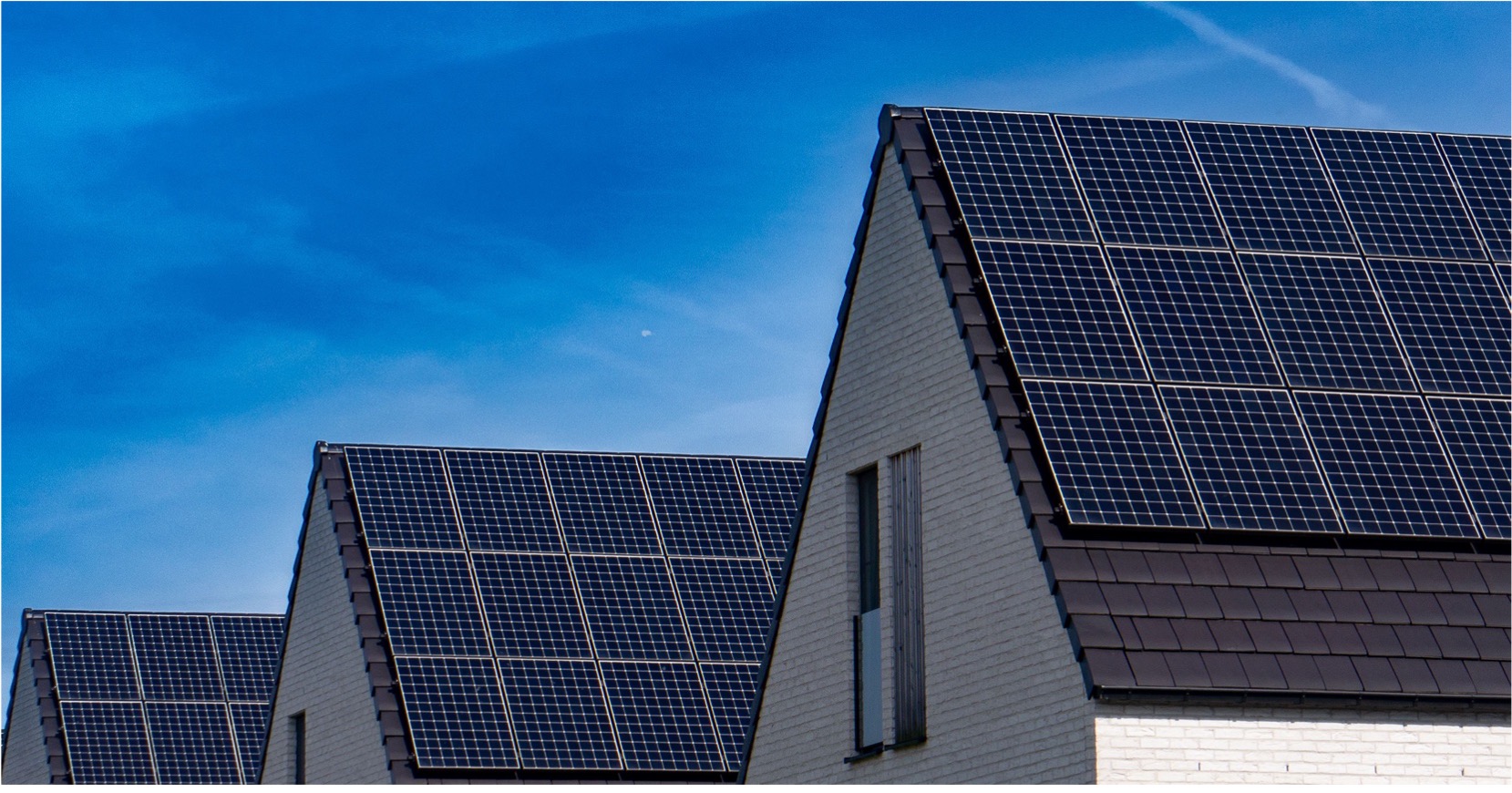
In 2020, the Senegalese Energy Ministry introduced value added tax exemptions for climate friendly products, including solar panels, inverters, solar thermal collectors, batteries, solar lamp kits, solar water heaters and charge regulators. The tax code allows for exemptions for companies investing over 100 million West African francs (around $176,000) in select industries and a reduced corporate income tax of just 15% for businesses operating in any of the country’s seven special economic zones.
Senegal’s Investment Promotion Agency, or APIX, helps foreign investors navigate the regulatory environment. Its one-stop shop aims to inform, advise and assist investors wishing to access available incentive programs.
Other support is provided through the Centre for the Facilitation of Administrative Procedures, which helps investors wishing to establish or expand their operations in Senegal.
Real economy
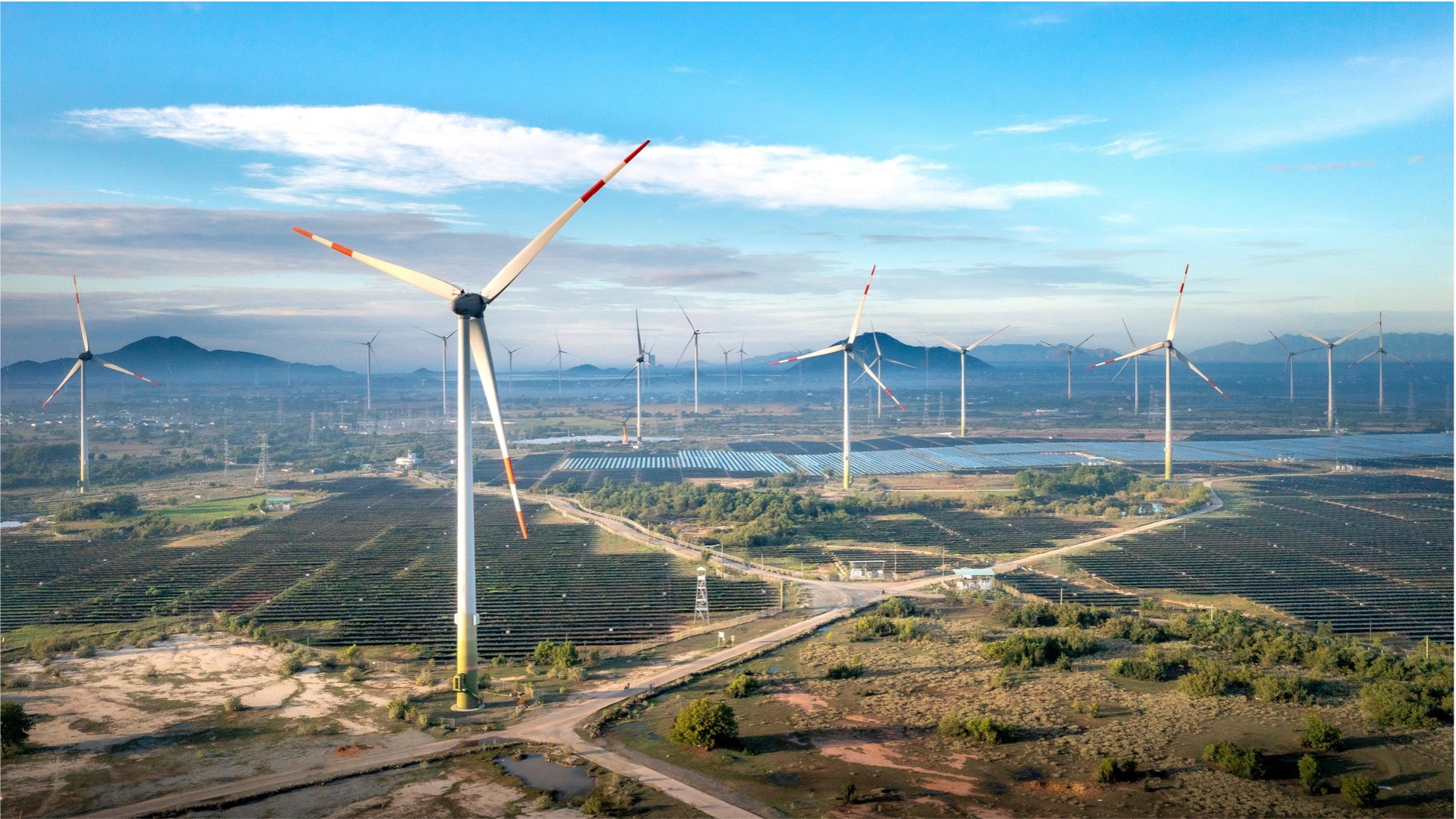
Senegal is demonstrating impressive speed in building up its renewable energy capacity. It took 18 months to build the Taiba N’Diaye Wind Power Station, a wind park of 46 wind turbines that provides 158 megawatts of capacity to more than two million people. Since commissioning its first solar power plant in 2016, Senegal has added other major installations, including the Kahone and Kael solar power plants, with a combined capacity of 60 megawatts, owned by private equity firm Meridiam, French electric utility Engie, and Senegalese sovereign wealth fund FONSIS.
Senegal is also a partner in the $2.7 billion Just Energy Transition Partnership, or JETP, wherein a few high income countries and public development banks have agreed to provide financial support for Senegal’s renewable energy shift.
Public transport, especially rail and electric buses, is also a part of Senegal’s investment action. Dakar Mobilité’s SunuBRT is the first-ever 100% electric bus-rapid transit system in sub-Saharan Africa. Launched in 2024, it serves around 60,000 passengers per day. The Train Express Régional Dakar is an electric regional train linking Dakar with Diamniadio; the line has a capacity to transport around 100,000 daily passengers. It is set to connect to Blaise Diagne International Airport this year.
The country is also investing in its natural capital. Agriculture contributes about 15% to Senegal’s GDP. The Climate Smart Agriculture Investment Plan, developed by Senegal’s Ministry of Agriculture, Food Sovereignty, and Livestock, aims to mobilize more than $800 million over 10 years across to support accessibility and quality of water for agricultural uses; agro-silvo-pastoral intensification; and post-harvest efficiency, including energy-efficient storage infrastructure and market access for agricultural products.
Assessing opportunities
Where does a curious climate investor start in Senegal? Ready investment opportunities include savings products in Senegalese banks and credit unions, sustainability bonds, and private market investments via venture capital and patient capital firms. Many of these products are available to foreign investors. The regional stock market also provides an avenue for investors in climate startups to eventually achieve exits.
In the banking sector, Senegal hosts 128 credit unions that serve over four million members and safeguard over $1 billion in deposits. The Partenariat pour la Mobilisation de l’Épargne et du Crédit au Sénégal, a network of 28 credit unions, offers a plethora of savings products and is keen to build more awareness of the availability of climate loans, including for electric transport adoption, says PAMECAS’s Ababacar Toure.
There are programs underway to enable more climate underwriting at Senegal’s credit unions, including a program in partnership with the World Council of Credit Unions to improve digitization and institutionalize climate taxonomies.
Commercial banks are also leaning into climate products. La Banque Agricole, for example, is a bank specialized in agriculture products for smallholder farmers, small businesses and large corporations. The bank is accredited by the Green Climate Fund and received $55.5 million to establish a Green Climate Finance Facility. It also secured a €30 million loan from the European Investment Bank to focus on climate-smart agriculture.
LBA’s role in supporting regenerative and climate-resilient agriculture is key as the agriculture sector is vastly underfunded by bank credit. On a recent trip to Dakar with The GREEN Program, I spoke with Abdou Aziz Diedhiou, LBA’s environment and climate lead, about obstacles to green banking. He mentioned Senegal’s need to finalize its national green finance taxonomy, which would clarify which loans are already green and what new products need to be created. Of its roughly $540 million in loans outstanding as of 2024, the bank has been able to provide specific figures around climate activities. Foreign investors can open up interest-bearing accounts with the likes of LBA to support its climate-friendly portfolio.
Local climate capital
In 2025, Senegalese sovereign wealth fund FONSIS announced a $100 million Renewable Energy and Energy Efficiency Fund to deploy subordinated debt and take minority equity stakes in renewable energy projects. By extending longer-tenor loans and tailored financing, the fund aims to fill a critical renewables capital gap in the market.
Senegal is also a venture capital leader in francophone Africa. Haskè Ventures, for example, focuses on sustainability companies and has made 10 investments, including those in the climate-friendly agrifood industry. Teranga Capital’s portfolio includes a startup providing EV charging station networks and one selling solar-powered refrigeration units.
Senegal is a part of a regional stock exchange, the Bourse Régionale des Valeurs Mobilières, or BRVM. Currently listing 47 companies across the eight West African Economic and Monetary Union, or UEMOA, member states, the BRVM has a total market capitalization of $18.2 billion. Senegal has yet to list a climate solutions company on the exchange, but its neighbor Côte d’Ivoire has several such listed opportunities. The exchange offers a pathway to exit for investors supporting early-stage climate startups in Senegal and the region more broadly.
As Senegal treads ahead in its economic renaissance, a diverse range of opportunities are emerging for investors to support a greener path.