
The on again, off again conflict in Iran is hitting consumers at the pump, raising costs for farmers trying to fertilize their fields, and frustrating the best laid plans of corporate chieftains. But for big buyout firms and asset managers, the opportunities have hardly looked brighter.
On Q1 earnings calls over the past several days, some of the biggest asset managers have touted soaring demand for renewable energy infrastructure amid a heightened focus on energy security.
“The Strait of Hormuz may be bad for many things, but it’s good for our business,” Jim Coulter of TPG said on the firm’s earnings call last week. “People are concerned about their energy supply chain and renewables is one way to address that around the world.”
That helped propel fundraising for a pair of new clean energy funds, which have drawn in $9 billion through April, surpassing the $7 billion raised for its previous climate vehicles. The firm raised roughly $1.3 billion across the platforms in the first quarter of 2026.
The larger of the two, Rise Climate Fund II, has collected $6.8 billion to date as a follow-up to the firm’s 2021 debut climate fund, targeting energy transition investments globally. A second vehicle, the Rise Climate Global South Initiative, has raised $808 million to back climate solutions across developing markets in Africa, Asia and Latin America.
TPG expects both funds to close by the end of summer. The firm also raised $925 million in the first quarter for Rise Fund IV, which invests in education, financial inclusion and healthcare.
Talk of decarbonization has subsided and global warming is continuing unchecked, but “actual activity” around clean energy has spiked, Coulter said. “This kind of activity level bodes well for the future.”
It is a similar story at Brookfield Asset Management. “What the conflict has done is put a renewed spotlight on the importance of energy security,” Brookfield’s Conor Teskey told analysts on the firm’s call.
“This is leading governments and corporates to increasingly prioritize energy security and domestic supply, reinforcing investments in renewables, which are the lowest cost form of generation to meet demand today.”
Over the first quarter, Brookfield brought on 1.8 gigawatts of new capacity online, and contracted 1.7 gigawatts from renewable energy projects in development. “Against this backdrop of accelerating energy demand and an increased focus on energy security, we are bringing on more new renewable generation capacity than ever before,” Teskey said. In the past 12 months, the firm commissioned more than nine gigawatts of new clean power, and is on track to add another 10 gigawatts in 2027.
Brookfield is orchestrating mega deals to deploy some of the $100 billion in uninvested capital held at the asset manager, even as it looks to free up cash. In March, Brookfield teamed with La Caisse to buy and take private Boralex, a Canadian renewable energy developer, operator and owner. The same month, it partnered with British Columbia Investment Management Corp. and Norges Bank Investment Management to launch Northview Energy, a private company that will acquire and own wind, solar and battery storage assets in the US and Canada.
Northview was kickstarted with a portfolio of energy assets acquired from Brookfield portfolio companies, including Deriva Energy, Scout Clean Energy and Urban Grid, generating cash for the asset manager. The deal, said Teskey, “represents a new and recurring way we are monetizing our derisked assets in North America to some of the world’s largest and most sophisticated private investors.”
The firm has found other ways to recycle capital in a tight environment. In India, Brookfield sold half of its interest in renewable power developer CleanMax in the company’s March IPO.
Investment case
The Gulf conflict is just the latest shock accelerating renewable energy rollout. The massive buildout of data centers and the broader trend towards electrification have set off a scramble for power.
“Rising residential and industrial electricity demand, together with the rapid scaling of AI and data centers, is placing unprecedented strain on power systems around the world,” TPG’s Jon Winkelried said. “Given the global scope of our strategy and the unprecedented growth in energy demand, our opportunity set continues to expand.”
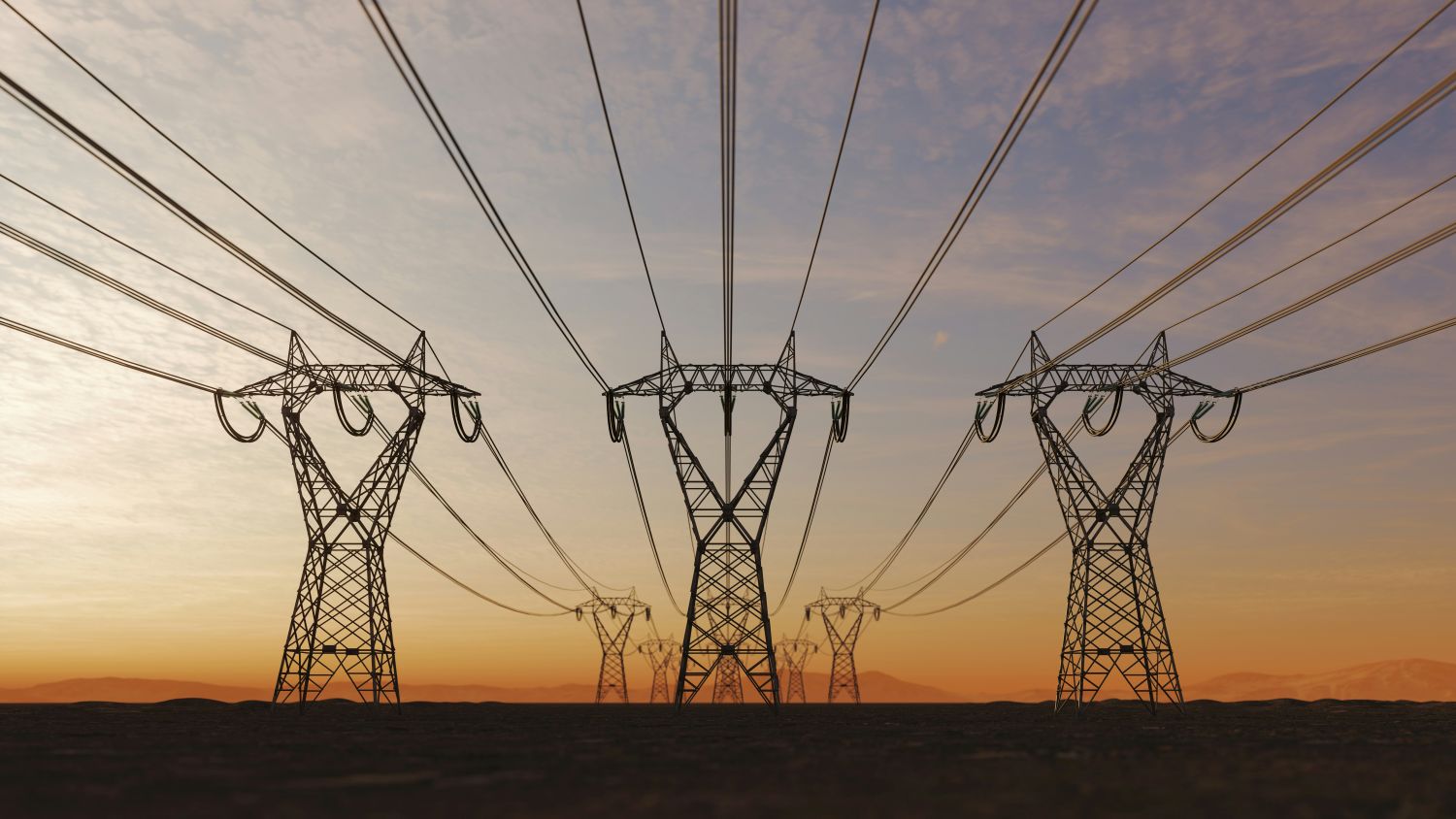
Within its energy infrastructure focus, Rise Climate II acquired Sabre Industries, a manufacturer of steel transmission poles, in the first quarter, and backed Pike Corp. last November, a builder and maintainer of US power lines.
TPG also sold Intersect Power, a solar energy company, to Google for $5 billion, less than four years after acquiring it.
New York-based KKR reported raising $3.1 billion toward a $7 billion target for its Global Climate Transition Fund, nearly two years after launching it. In the first quarter, the fund raised roughly $400 million for the strategy, including roughly $400 million in the first quarter alone. The firm added Alterra, the UAE-backed $30 billion climate finance vehicle, as a limited partner last month.
The transition fund backs renewables, clean transportation and decarbonization across the US, Europe and Asia-Pacific. For example, KKR has deployed more than $1 billion into electric bus fleets and manages roughly 12,000 electric buses globally.
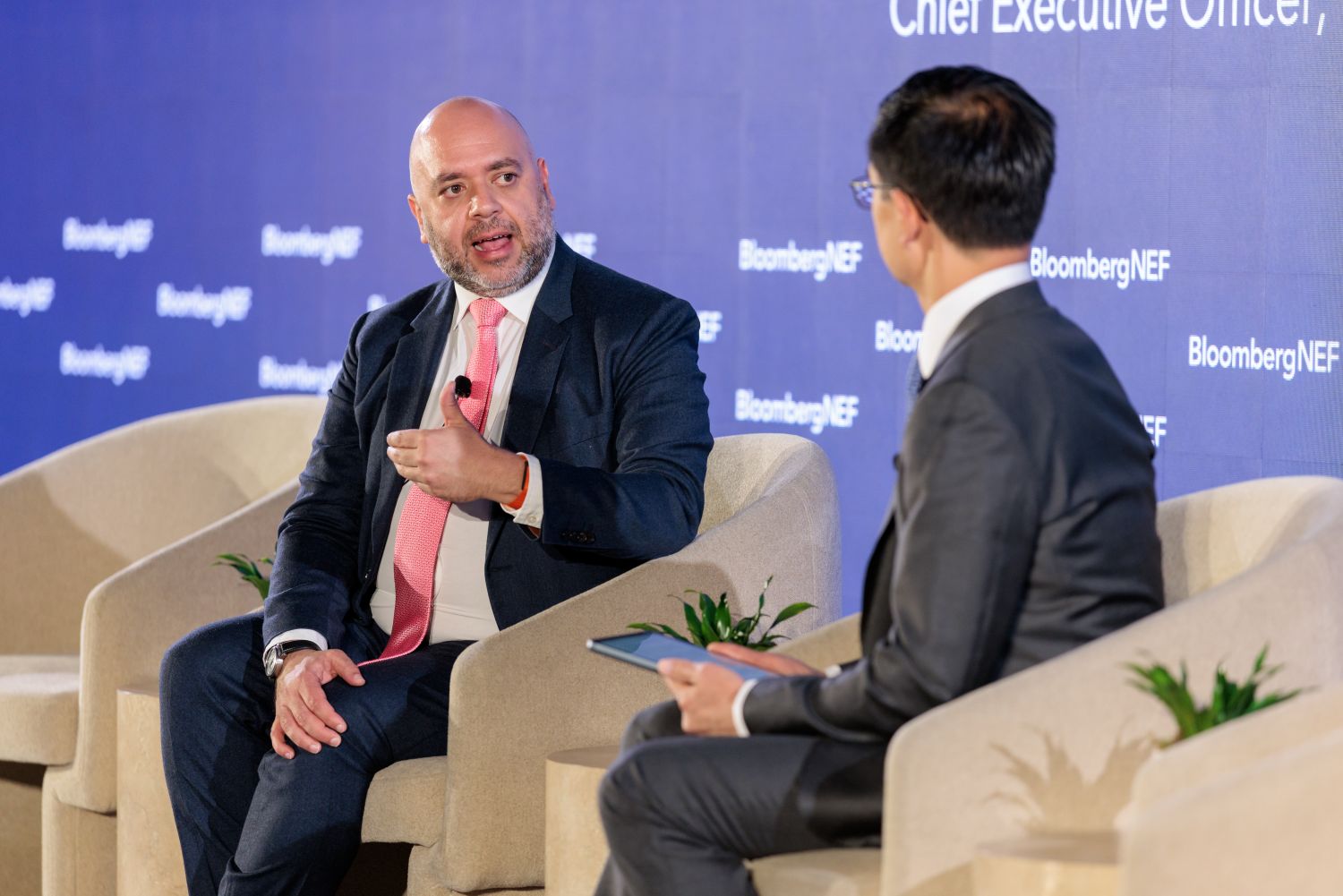
“I never felt as good as now as an investor in the energy transition,” said KKR’s Emmanuel Lagarrigue at the BloombergNEF summit in New York. “It’s probably the best moment to do it, because this is a much more rational market.”
The firm targets commercial vehicle electrification over passenger EVs. “When you electrify your fleet of buses in a city and look at the total cost of ownership over 8, 10, 12 years, it’s going to be much cheaper to go electric,” said Lagarrigue.
AI is driving the investment case. “AI is an energy story,” said Alterra’s Majid Al Suwaidi at the same summit. “The fastest and cheapest way to deploy energy today is through clean energy.”