Amazonia Impact Ventures set out five years ago to restore and preserve the Amazon with investments in sustainable forest livelihoods, biodiversity projects and land stewardship among Indigenous communities. The UK-based manager has not invested in Brazil, which has the largest share of the Amazon forest – until now.
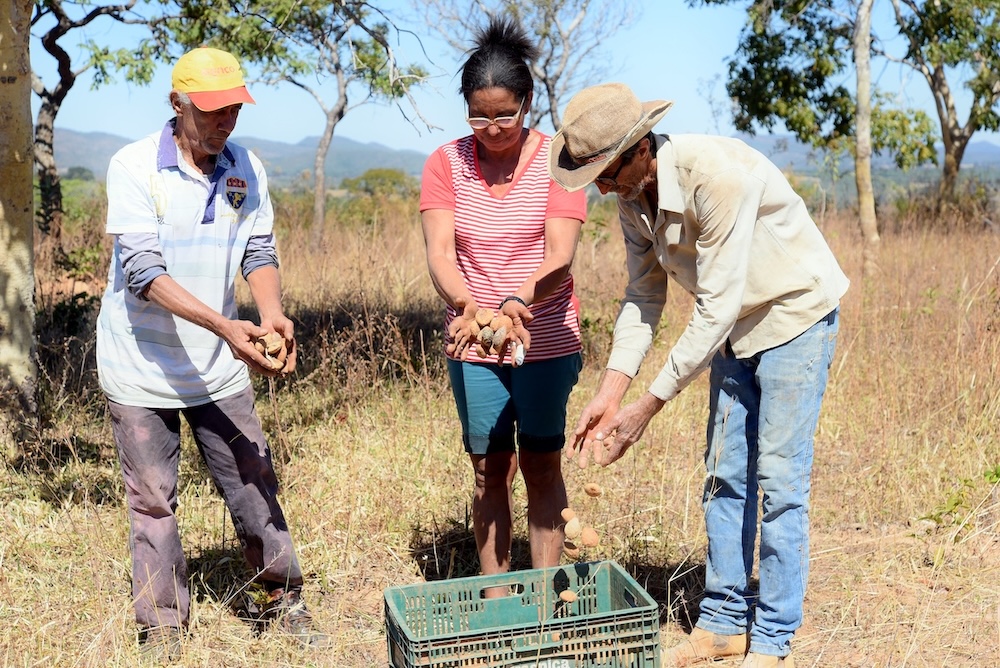
ImpactAlpha has learned that Amazonia is making a $200,000 investment in Ecotierra’s project with Courageous Land, a reforestation advisory services firm, in Roraima, the northernmost state in Brazil. Ecotierra generates carbon credits through sustainable land‑use and regenerative agriculture projects that have social co-benefits, like income growth and market access for farmers and forest communities.
“This approach sequesters more carbon per hectare than conventional agriculture and creates diversified income streams for local communities,” Amazonia’s team shared.
Market expansion
Amazonia has invested about $11 million in impact-linked loans to cooperatives, agri-producer associations and other businesses. Most of its investments have sought to curb and redress practices that cause deforestation in Peru’s Amazon region.
“We’ve always been looking to Brazil as a next step,” Amazonia’s Aldo Soto told ImpactAlpha.
Ecotierra, which also has worked in Peru, is still developing the Roraima project.
“They need to prove that the project works,” said Soto. “Our investment here is going to be very catalytic for them to make the next step and scale.”
Carbon adjacent
Ecotierra also represents Amazonia’s first foray into the carbon markets.
“Most of our investments are in Amazonian value chains,” Soto said. “The investment is going directly to implementing agroforestry systems that counteract degradation and drivers of deforestation.”
Amazonia’s impact measurement and management focuses on the “expansion of biodiverse agroforestry systems” across nearly 300 acres of land, and the development of a tree nursery that eventually yields 500,000 seedlings. Among the project’s intended beneficiaries are economic migrants from Venezuela in Roraima.
Amazonia says its portfolio of projects has supported more than 5,200 smallholder farmers, 36% of whom are women and 32% are Indigenous peoples .