Netherlands-based impact investor Truvalu Group has exited GrowPact Kitale, a Kenyan seedling distributor it backed in 2017, through a strategic sale to an undisclosed Dutch family office that has co-invested in the business since inception. The exit represents a glimmer of liquidity in early-stage African agribusiness.
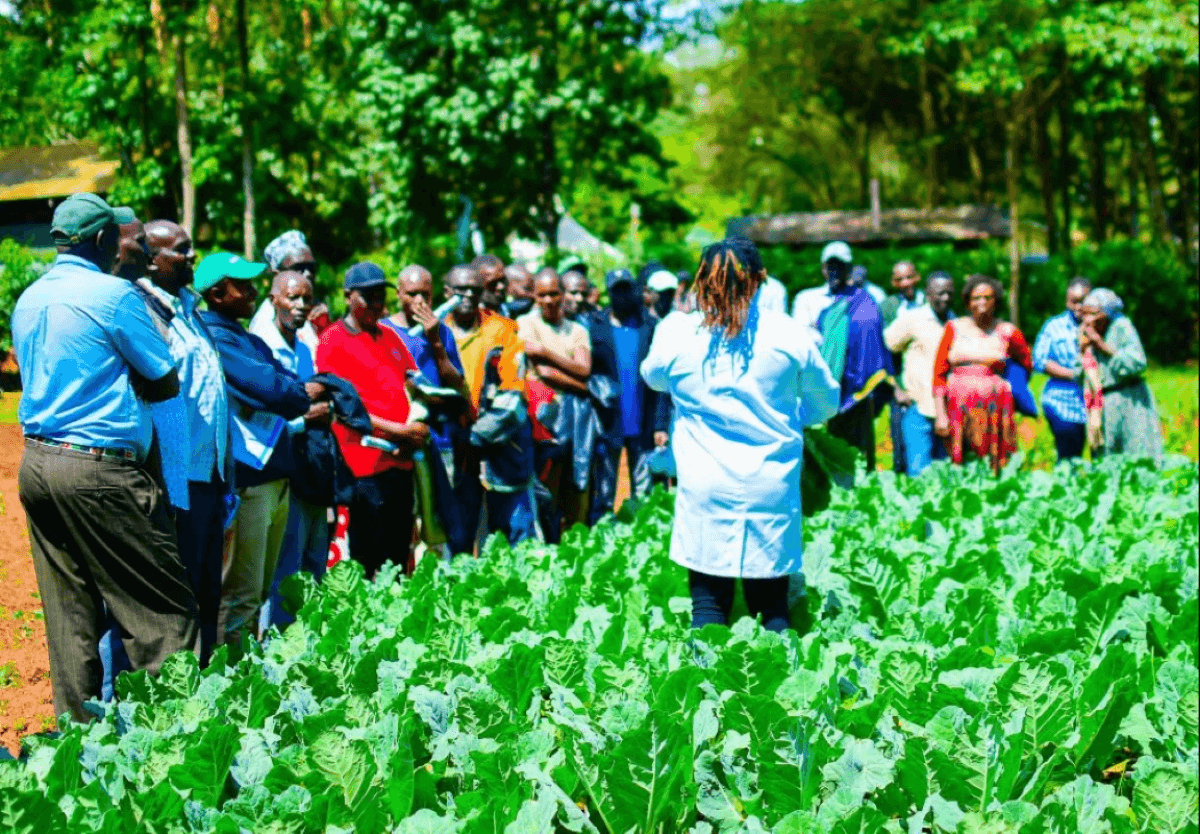
GrowPact Kitale has worked closely with Dutch agricultural tech company Viscon to modernize seedling production and distribution.
Following the exit, GrowPact, Viscon, Truvalu and the family office have launched GrowPact Global, a new vehicle to invest in and provide technical assistance to seedling nurseries across Africa, starting in Ghana.
Setting a precedent
According to Truvalu’s Peter Owaga, some investments in the agriculture sector have become very expensive. This is because investors wait until companies are heavily de-risked before committing capital, at which point their valuations have increased and they’re forced to scale quickly, creating pressure for fast exits.
He hopes the GrowPact deal will show investors the value of supporting businesses earlier in the process as they formalize their operations and approach investability.
“I hope it will show investors that there is opportunity in that missing middle that’s often talked about,” Owaga told ImpactAlpha.
Exit options
Truvalu sees strategic sales, secondary sales to larger impact funds and entrepreneur buybacks as viable exit options for agriculture investors. But in practice, secondary transactions remain scarce. Truvalu’s Jaap-Jan Verboom noted that the limiting factor is not a lack of investable businesses, but a shortage of buyers at the next stage of capital provision.
“There is barely any secondary sale. We have done so far less compared to strategic sales or buyback scenarios, which are also often quite complicated,” Verboom told ImpactAlpha. “We keep advocating for that first one [secondary sales], because in a more mature market, that is what you would want to see.”
Capital challenge
Truvalu is backed primarily by private Dutch investors. Its Kenya arm manages an active portfolio of eight companies and is deploying approximately €5 million ($5.8 million), with ticket sizes ranging from $250,000 to $500,000.
Verboom said most investor capital targeting agriculture remains concentrated in closed-ended funds, reflecting continued risk aversion. And he argued that more patient, long-term capital, including permanent-capital structures, is better aligned with the realities and potential of small agribusinesses in emerging markets.
“There is a lot of capital floating around the globe that is not connected to the real entrepreneurial opportunities on the ground,” Verboom said. “The difficulties that we have to raise capital are not at par with the immense amount of opportunities that we see.” (See, In impact fundraising drought, novel strategies and private credit stand out and, yes, size matters)