It’s been nearly 20 years since mobile money was introduced in Africa, changing the game of how people trade, transact and use financial services. Mobile money, and digital services more broadly, has since been the key driver of financial inclusion on the continent.
But economic growth still largely depends on the traditional banking system, and in Africa, that infrastructure hasn’t kept pace with people’s and businesses’ financial needs and habits.
There’s a whole segment of African fintech that is trying to change that by building better and more secure back-end infrastructure for and between African banks.
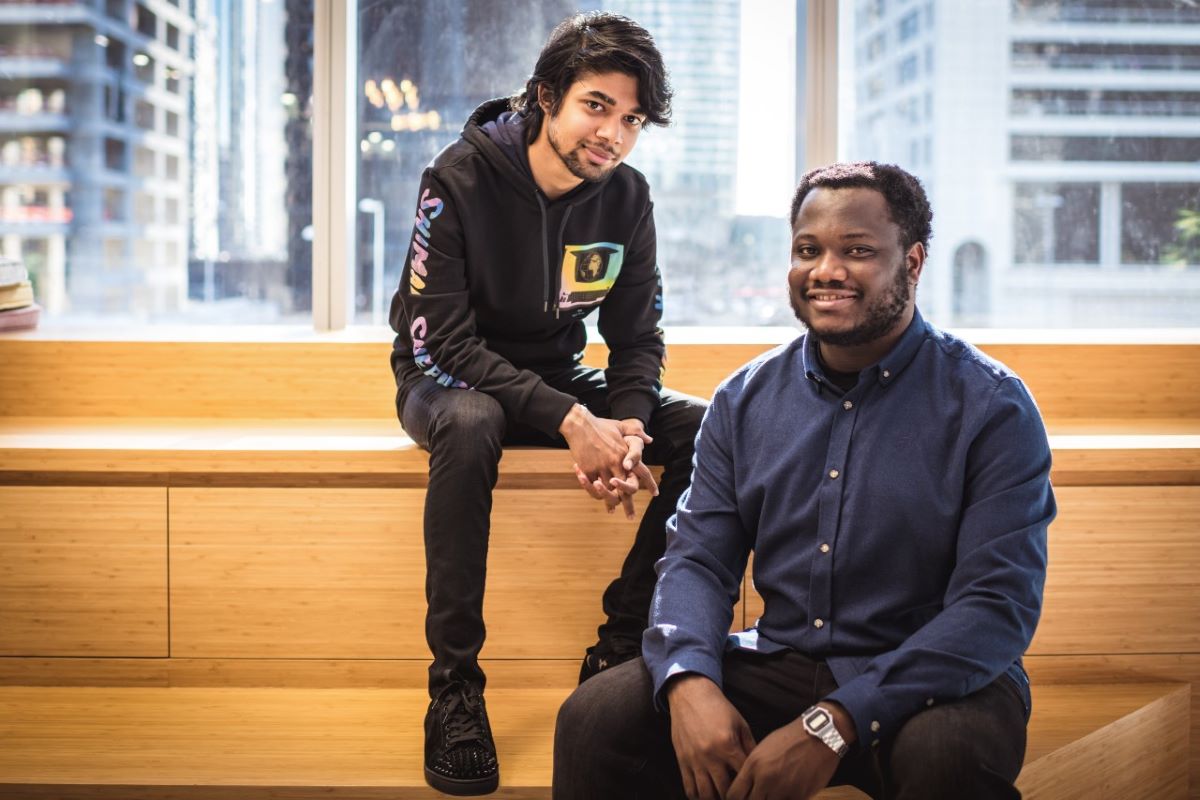
This week, one such company, the Nigerian digital payments behemoth Flutterwave, acquired another: Mono, also based in Nigeria, which enables bank-to-bank transactions, identity verification and data sharing. Mono has been likened to Plaid in the US, which enables a bank account holder to instantly and securely connect multiple accounts at financial services firms.
The deal is a signal of how quickly African financial services are evolving; the connective tissue linking mobile money, digital payments, e-wallets and traditional savings and credit accounts is coming together.
“Our goal is to make open banking a true reality, establishing consent-based verification, payment and trust as the new standard across the continent,” said Mono co-founder Abdulhamid Hassan.
Added Flutterwave’s Olugbenga Agboola, “Bringing [Mono’s] expertise into the Flutterwave family contributes to building what I call Africa’s “payments superhighway.”
For context…
If you’re a bank account holder in the US, you may remember what a pain it used to be, not all that long ago, to send money from one account to another. Remember those micropayment verifications that sometimes took days to finalize? Today you can connect bank accounts instantly though services like Plaid. PayPal, Venmo and Zelle have made it simple and fast to send and receive money from a person or business with a different bank from your own.
In Europe, systems like IDEAL in the Netherlands and MBWAY in Portugal make account-to-account transactions free and instant. Sending money from one country to another is often as simple as typing a receiving account number into your banking app. Often it’s also free.
In Africa, that back end infrastructure that connects one domestic bank to another, much less banks in other countries, is patchy and often rife with security gaps.
“Payments, data, and trust cannot exist in silos,” said Flutterwave’s Agboola. “Open banking provides the foundation.”
Partners for scale
Agboola, who had previous experience at Google and PayPal, co-founded Flutterwave in 2016 with Adeleke Adekoya and Iyinoluwa Aboyeji, who had co-founded the software development staffing firm, Andela.
“Flutterwave is a solution to some of the major challenges I’ve witnessed while building Andela,” said Aboyeji when he announced the company’s launch. “Despite all the entrepreneurial spirit and expertise in Lagos, businesses still have trouble conducting transactions that are an afterthought in most of the world. It’s a problem that is prohibitive to the future growth of the continent, and one that we felt we could no longer ignore.”
Flutterwave’s digital payments infrastructure, which allows businesses to easily send and receive payments from credit card companies, mobile money and bank transfer, is today used in 30 African countries. (Its growth has not been without controversy, including a money laundering scandal and allegations of workplace bullying.)
Acquiring Mono allows Flutterwave to fill in financial infrastructure gaps it hadn’t developed in house.
For Mono, which has linked millions of bank accounts between more than 100 financial services firms in Nigeria, Ghana, Kenya and South Africa, “joining Flutterwave provides immediate scale and distribution,” as well as the business and financial runway “to wait for the open banking landscape to ripen,” observed Emeka Ajene of the fintech newsletter Afridigest.
Terms of the deal were not disclosed, though it’s been reported as an all-stock transaction. Mono and Flutterwave both say Mono will “continue to operate independently.”
“An acquisition was not on our radar,” said Mono’s Hassan. “We chose to join forces with Flutterwave because of the opportunity to create something phenomenal together: a more complete financial operating system for African businesses.”