Jamaica issued the world’s first catastrophe bond in 2021. Now, the bond is paying out in full to help the island nation start rebuilding.
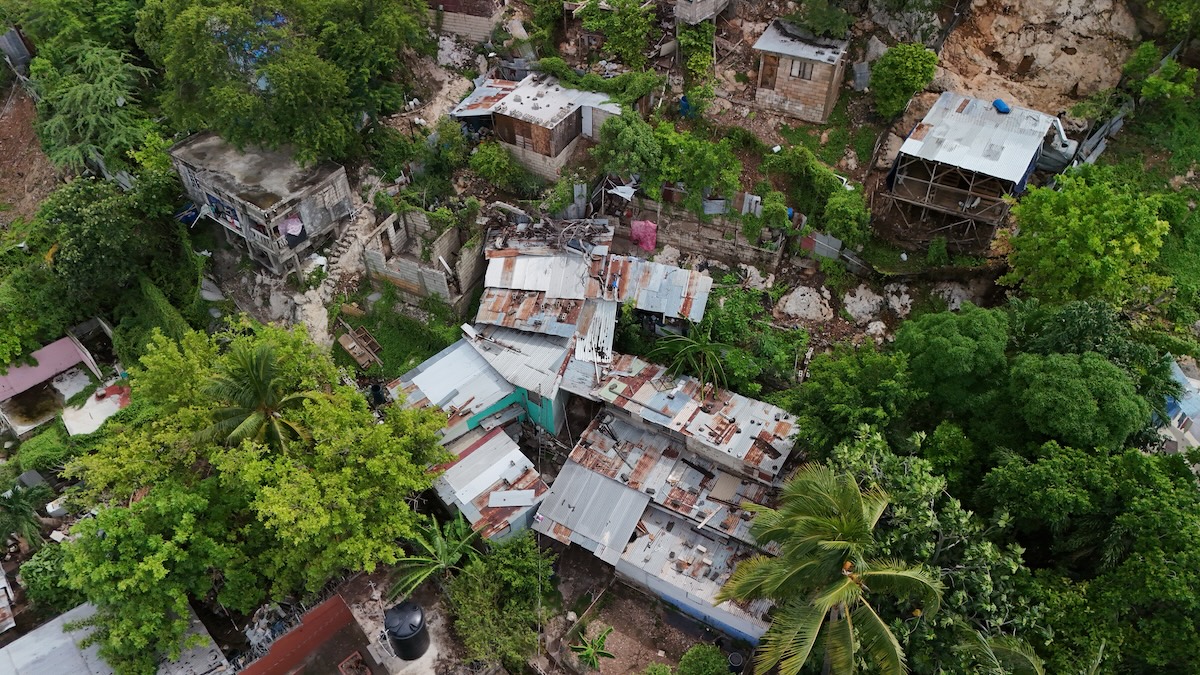
Hurricane Melissa slammed into Jamaica and neighboring Caribbean islands, including Haiti, last week, killing dozens of people, causing massive wreckage and leaving hundreds of thousands of households without power.
Catastrophe bonds, or “cat”bonds, pay out when storms and natural disasters hit a pre-determined threshold – in this case atmospheric pressure levels. For Jamaica’s $150 million bond, thresholds were not met last year when Hurricane Beryl, a Category 4 storm, caused widespread damage. With Melissa, it will pay out in a matter of weeks.
Melissa, a Category 5 hurricane and the most powerful storm to hit the island, could cost insurers up to $3 billion while total property damage could be more than twice that amount.
The bond and other measures have helped Jamaica “earn a reputation for pioneering financial mechanisms to mitigate climate change,” Marilyn Waite of the Climate Finance Fund wrote earlier this year.
Relief efforts
Hurricane Melissa is one of the first major natural disasters to strike since the demolition of USAID, which often led international relief efforts. Only about 100 of USAID’s disaster response staff remain in the US State Department’s Bureau of Population, Refugees and Migration.
Island nations have argued for more funding from wealthy countries to help them adapt to a changing climate, as well as for reforms in how the World Bank and other institutions lend to climate-vulnerable nations. Such “loss and damage” topics are sure to resurface at the COP30 global climate talks starting this week in Brazil.
Waite, who has family in Jamaica, suggested in a LinkedIn post ways to contribute to relief efforts, including buying Jamaican climate stocks, donating to World Central Kitchen, and donating through official Jamaican government channels rather than global nonprofits.