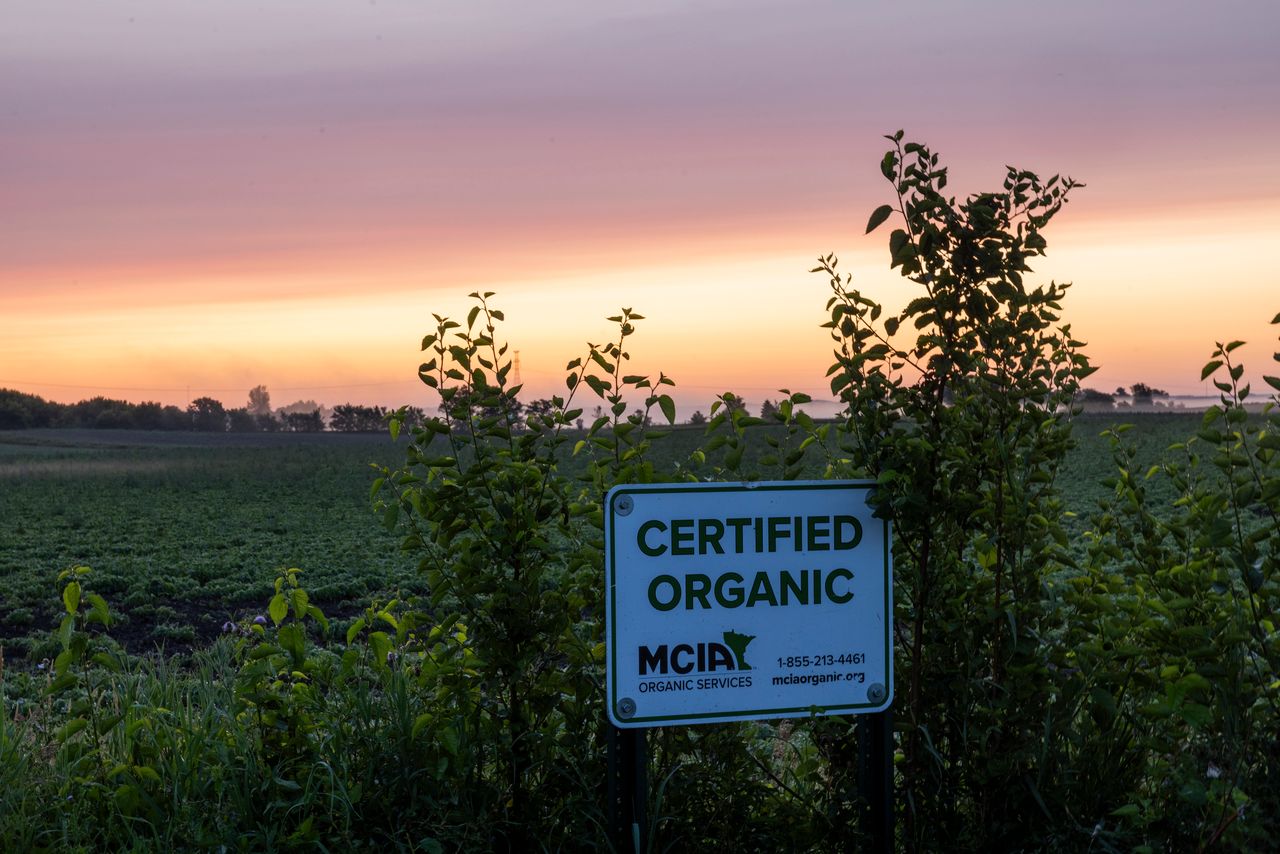
Mad Capital has provided flexible financing since 2021 to two dozen farmers in the US, helping them adopt organic and regenerative practices on more than 4,000 acres of farmland. Without access to capital, small and mid-sized farmers struggle to make the transition, a shift that is critical to repairing degraded lands and combating climate change.
Institutional investors are being drawn to the sector for its impact and low-risk profile, says Mad Capital’s Brandon Welch. The Boulder, Colo.-based firm’s second private credit fund, at $78 million, is nearly eight times the size of its predecessor.
Among the more than 100 limited partners are the Schmidt, Rockefeller and McConnell foundations, Builders Vision, Social Finance, Bedari Collective and the New Mexico Finance Authority.
Builders Vision, which counts food & agriculture as one of its key investment themes, in 2019 helped launch, finance and bring other inventors into Clear Frontier, a Nebraska-based farmland fund that has raised over $200 million to acquire, transition and lease organic and sustainable farmland to local farmers in Nebraska, Colorado, and Texas (read and watch, “The Call: Impact value-creation isn’t just for impact investors (but they’re better at it)”).
The global market for regenerative agriculture is projected to reach over $57 billion by 2033, up from $13 billion last year, he notes. “It’s a massive market and it’s not like Mad Capital alone can satisfy the demand that these farmers and ranchers have.”
Meat production
With the new private credit fund, Mad Capital is expanding its portfolio to include ranchers looking to transition to holistically-managed, grass-finished and grass-fed beef production. The new fund has already deployed over $25 million in loans to 17 farmers and ranchers in Texas, Montana, California, Minnesota and Wisconsin.
Mad Capital’s financing is meant to help them navigate the “J-curve,” where investments may take time to pay off. Acknowledging the higher prices that consumers must pay for organically-grown products, Welch said, “If we can help create more supply of those foods, we should see that differential in price decrease over time.”
Market builders
Mad Capital’s goal is to finance the transition of five million acres from conventional to regenerative and organic farming by 2032. The firm is already mulling its next fund: it hopes to raise at least $500 million from institutional investors seeking impact and uncorrelated yield.
“The time is right for others to lean in,” Welch said. “I’m really excited for this to be an important catalyst, and hopefully encourage other fund managers to lean into this sector.”