If you’re a clean energy investor, you probably know that section 45Y of the tax code is a production tax credit and section 48E is an investment tax credit; both were introduced in the Inflation Reduction Act to encourage generation of zero-emission electricity.
Nearly 50 energy investors have signed a joint letter to Congress and the public to express concern over changes to those credits in the tax bill now before Congress. Without changes, they say, the reconciliation bill would “severely undermine American energy production and manufacturing at the very moment when our nation needs more energy to remain competitive in rapidly developing industries” (read the letter here).
Signatories to the letter include SJF Ventures’ David Kirkpatrick, Abacus Wealth Partners’ Brent Kessel, Arborview Capital’s Carolyn Farley, Obvious Ventures’ Andrew Beebe and Peter Davidson of Aligned Climate Capital. They cite estimates from the thinktank Energy Innovation that the bill’s current provisions would raise households’ energy bills by $170 billion, cost the US 1.63 million jobs over a decade and lower new electricity capacity by 450 gigawatts by 2035.
“Our goal is to build a strong coalition of investors and business leaders” and publish a full-page ad in The Wall Street Journal, Builders Fund’s Tripp Baird told ImpactAlpha.
Senate amendments
The joint letter commends the Senate’s changes to the tax bill passed by the House of Representatives last month – and asks for further revisions. Among the requests: Keep Sections 45Y and 48E for wind and solar projects through 2030 to restore certainty for what are often multi-year, multi-billion-dollar investments.
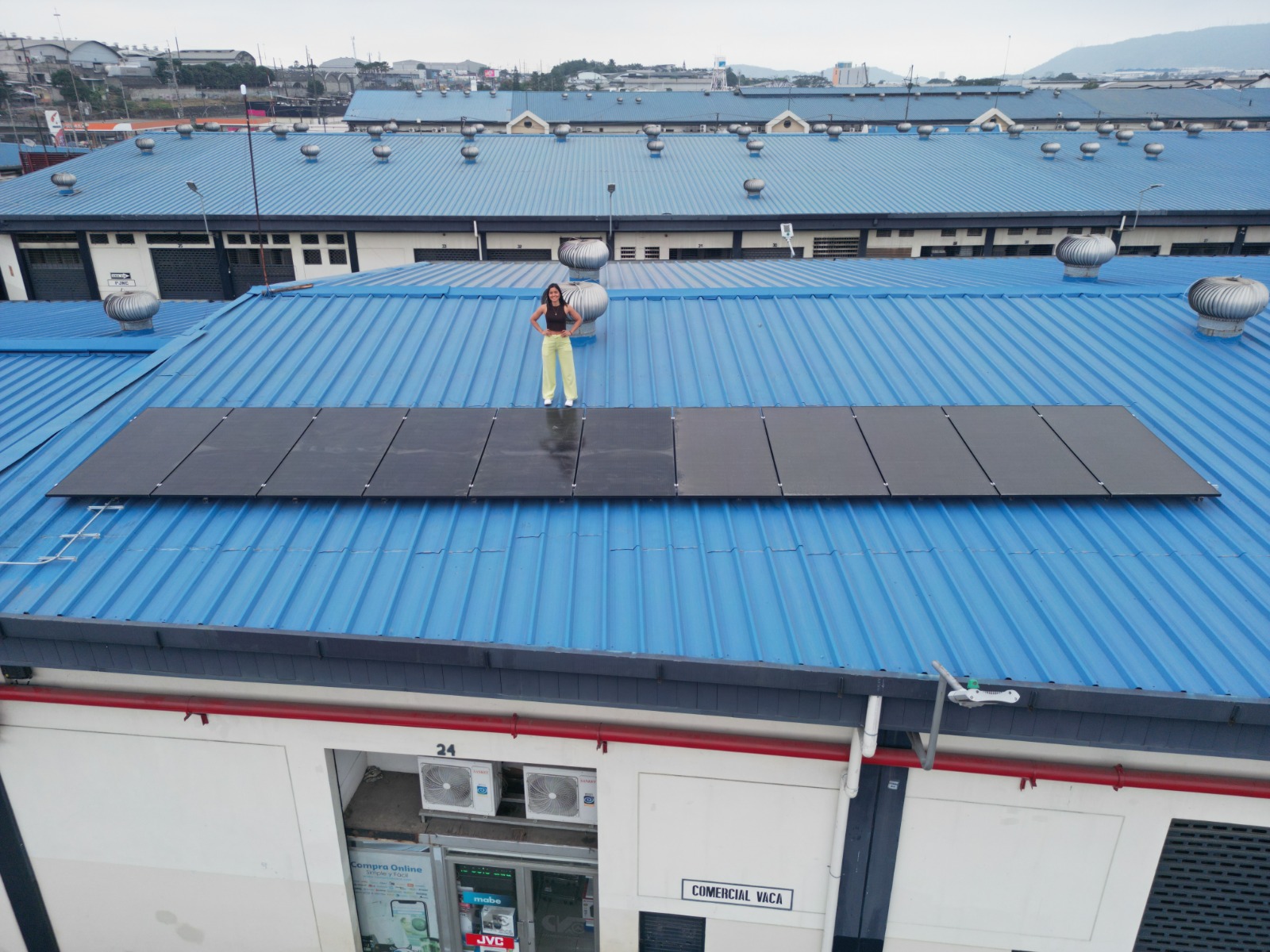
They also want to restore access to the 48E credit for third-party ownership and financing for wind and solar and delay the sunset of the residential solar credit – 25D – until the end of 2027. “It is critical that we create a responsible phase-down for consumer and commercial leasing models to maintain U.S. jobs and fortify investment certainty,” the letter states.
Finally, proposed new rules around “foreign entity of concern,” intended to reduce reliance on foreign suppliers and investors, “could upend viable business models, jeopardize ongoing project financing, bankrupt businesses, and risk a significant slowdown of energy deployment,” the letter argues.
“Investors and relevant businesses are creating American jobs, using American steel, building American-made inverters, and generating more energy security, not less.”
Today’s Call
Energy policy provisions of the “One Big Beautiful Bill Act” will be among the topics on today’s Agents of Impact Call, “Policy action for shared prosperity.”
Mindset’s Heather Slavkin Corzo, who spent three years as policy director for the Securities and Exchange Commission, will update the state of reconciliation negotiations (for background see, “Laying the groundwork for shared prosperity with spirited defense and small policy wins”).
Fran Seegull of the US Impact Investing Alliance, with Ceres’ Andrew Collier, Economic Innovation Group’s Catherine Lyons and Dafina Williams of Opportunity Finance Network, will help impact and climate investors identify opportunities for incremental wins. RSVP now